


Asha’s Story: When Math Felt Like a Mountain
Asha was ten years old when she stopped raising her hand in class. Her mother, Priya, noticed it first. During parent-teacher meetings in their Indore home, the teacher said Asha was bright but had started saying, “I’m not good at maths”, before attempting any problem. By the next term, she’d stopped trying altogether. Priya felt her daughter’s learning confidence slip away like sand through her fingers. She knew something had to change, but didn’t know what.
This story plays out in thousands of Indian homes every year. A child decides they’re “not good” at a subject, and that belief becomes their reality. But here’s what Priya discovered: confidence in learning isn’t something you’re born with. You build it, one small win at a time. And the right tools make all the difference.
Why Kids Say “I’m Not Good at This”
When your child struggles with a subject, they often don’t see it as a temporary challenge. They see it as proof they’re not smart enough. This happens because traditional classrooms move at one speed for everyone. If your child needs more time or learns differently, they fall behind and feel left out.
The learning process isn’t one-size-fits-all. Some kids need to see things visually. Others need to touch and experiment. When a child doesn’t get the right approach, they blame themselves instead of the method. Their confidence takes a hit, and motivation drops fast.
This is where most solutions fail. They try to fix the subject when they should be fixing how the child learns it.
Building Learning Confidence Through Personalised Learning
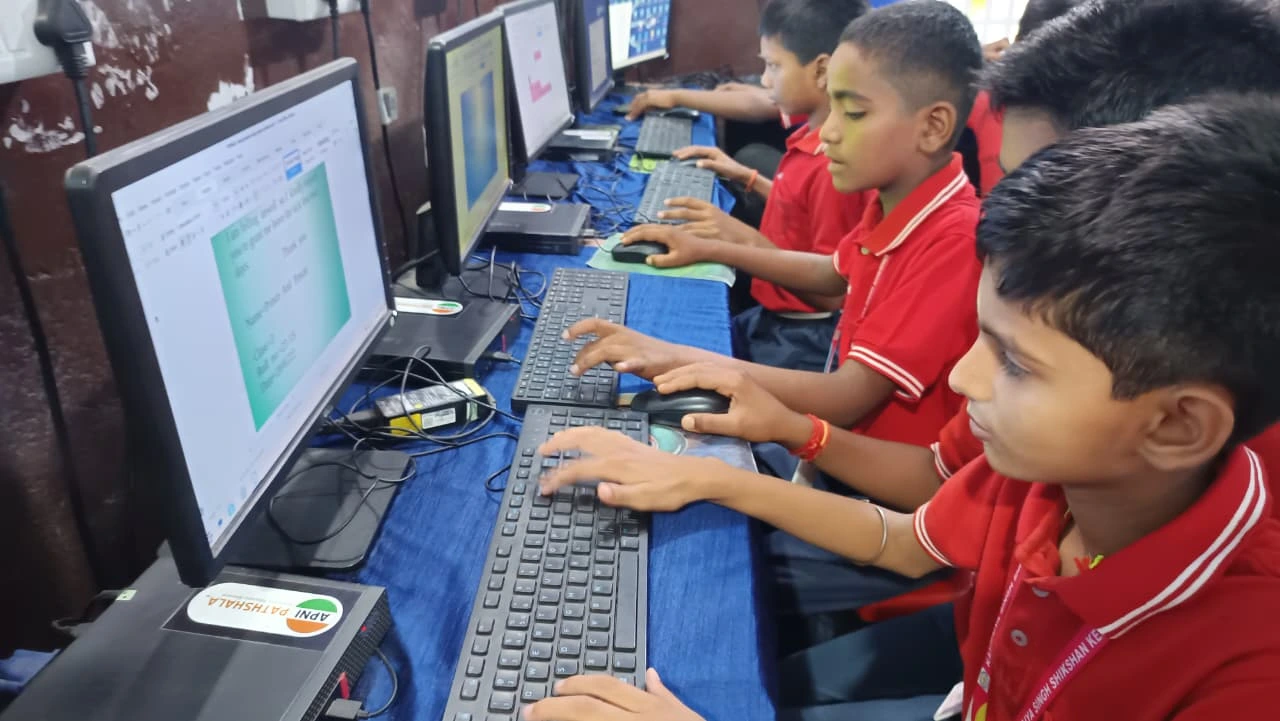
Asha’s turning point came when Priya brought home an Apna PC. This isn’t just a computer. It’s an educational device designed by Apni Pathshala, pre-loaded with tools that let kids learn at their own pace. With 8GB RAM and 128GB SSD, it runs smoothly without lag. More importantly, it comes with Scratch for coding, LibreOffice for projects, and Apni Prerna for tracking progress.
On her first day, Asha opened Scratch. She didn’t see “maths problems.” She saw a way to make animated stories. As she built her project, she used angles, coordinates, and logic without realising it. Her confidence grew because she was succeeding.
That’s the magic of the right environment. When you remove pressure and add choice, kids want to learn again.
How Visual Learning Builds Learning Confidence
Asha’s real breakthrough came with visual learning. Instead of reading “angles are measured in degrees,” she could rotate shapes on screen and see angles come alive. Instead of memorising formulas, she could graph them and watch patterns emerge.
The Apna PC runs Zorin OS with educational software that makes abstract ideas concrete. Your child can:
- See concepts move. Geometry becomes interactive, not theoretical.
- Experiment without fear. If they get it wrong, they try again. No red pen, no embarrassment.
- Work at their own speed. No pressure to keep up or slow down.
- Build real projects. Coding in Scratch means your child creates something they’re proud of.
Within three weeks, Asha’s teacher noticed she was volunteering answers again. Her mother noticed she was asking for the computer to “do one more project” instead of avoiding homework.
How Independent Habits Strengthen Learning Confidence
Here’s something Priya didn’t expect: Asha became more independent. She stopped waiting for permission to try something new. She started problem-solving on her own because the Apna PC gave her a safe space to fail and learn.
When your child builds independent learning habits, they stop depending on constant validation. They start trusting their own thinking. This is the real foundation of lasting confidence.
The Apni Prerna monitoring system also helps. You can see what your child is working on, where they’re struggling, and celebrate their wins. You’re not hovering. You’re informed and supportive.
What Parents in Tier 2 and Tier 3 Cities Are Discovering
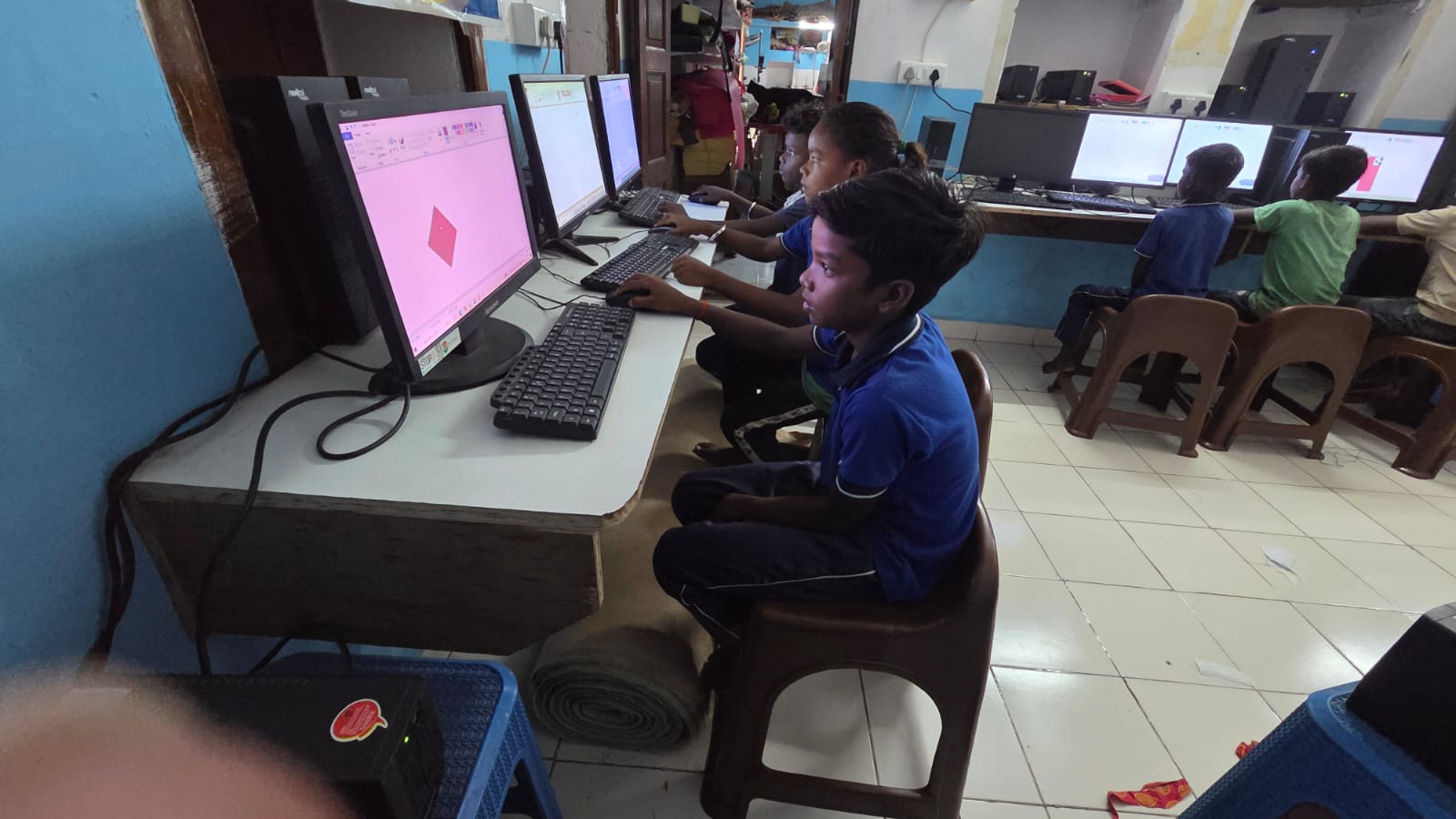
Families like yours in cities across India are finding that an Apna PC at home changes the equation. For Rs.30,000 (shipping and GST excluded), you’re not just buying hardware. You’re investing in an environment where your child can rebuild their relationship with learning.
Many parents worry about screen time. But there’s a difference between passive screen time and active learning. When your child codes in Scratch or solves visual problems, they’re building neural pathways, not just consuming content.
You can also connect to resources like the DIKSHA digital learning platform for additional content aligned with your child’s curriculum.
From “I Can’t” to “I Can”
By the end of that school year, Asha’s report card showed improvement in maths. But the bigger change was in her eyes. She believed in herself again. She wasn’t waiting to be told she was smart. She was proving it to herself, one project at a time.
Your child has the same potential. They might need a different way in. Apna PC provides that door.
If your child is struggling with learning confidence and you want to try a different approach, consider how the right tools at home can make a real difference. Visit apnapc.com to learn more.