


Ravi’s Screen Time Battle: A Bangalore Family’s Wake-Up Call
Last month, Ravi’s mother, Priya, found her 12-year-old son hunched over his phone at 11 PM, eyes red and homework incomplete. He’d been watching YouTube videos for three hours straight. Priya felt helpless. She knew her son needed technology for school, but the constant scrolling was affecting his sleep, grades, and mood. Like thousands of parents in Tier 2 and 3 cities across India, she was struggling to find the right balance. The truth is, healthy technology habits don’t develop by accident. They need intentional parenting, the right tools, and clear boundaries that your child understands.
You’re not alone in this struggle. Many Indian parents face the same challenge: how do you encourage your child to use technology responsibly when it’s become essential for learning? The answer lies in creating healthy technology habits that work for your family’s unique situation.
Understanding Why Healthy Technology Habits Matter
Your child’s brain is still developing until age 25. Excessive screen time affects focus, sleep quality, and emotional regulation. Studies show that kids spending 4+ hours daily on screens report higher anxiety and lower academic performance. In India, where competitive exams start early, this becomes even more critical.
But here’s what many parents miss: it’s not about eliminating technology. It’s about using it wisely. Your teenager needs digital skills for their future. The goal is teaching them to be intentional users, not passive consumers. That’s where healthy technology habits come in.
When children develop these habits young, they’re more likely to maintain them as adults. They learn self-regulation, focus, and purpose-driven technology use. These skills matter more than any exam score.
Digital Parenting Tips: Start With Your Own Habits
Before you set rules for your child, look at your own phone use. Kids watch what you do more than what you say. If you’re scrolling during dinner or checking emails before bed, your child notices. They learn that this is normal behaviour.
Try this: Keep your phone away during family meals. Put it in another room during study time. Show your child that you respect technology boundaries too. This single change builds credibility when you ask them to do the same.
Your modelling matters more than your lectures. When your child sees you reading a physical book instead of browsing social media, you’re teaching healthy technology habits through action.
Screen Time Management: Creating Rules That Stick
Generic rules like no phones after 8 PM rarely work for long. Your child needs to understand the why, not just the what. Sit down and explain: We’re limiting screen time because sleep helps your brain learn better. You need good sleep before exams.
Here’s a practical screen time management approach:
- Weekdays: 1-2 hours of recreational screen time after homework and dinner
- Weekends: Up to 3 hours, but with breaks every 30 minutes
- No screens: 1 hour before bedtime and during meals
- Study time: Educational content only, no social media or gaming
These aren’t arbitrary numbers. They’re based on pediatric recommendations and what works for Indian families managing both academics and extracurriculars.
The key is consistency. If you enforce the rule Monday through Friday but ignore it on weekends, your child won’t take it seriously. Your boundaries need to be predictable.
Responsible Device Use: Making Technology Work for Learning
Responsible device use means having the right device for the right purpose. A smartphone isn’t ideal for homework. Notifications, social media apps, and a small screen create constant distractions. Your child needs a dedicated learning device.
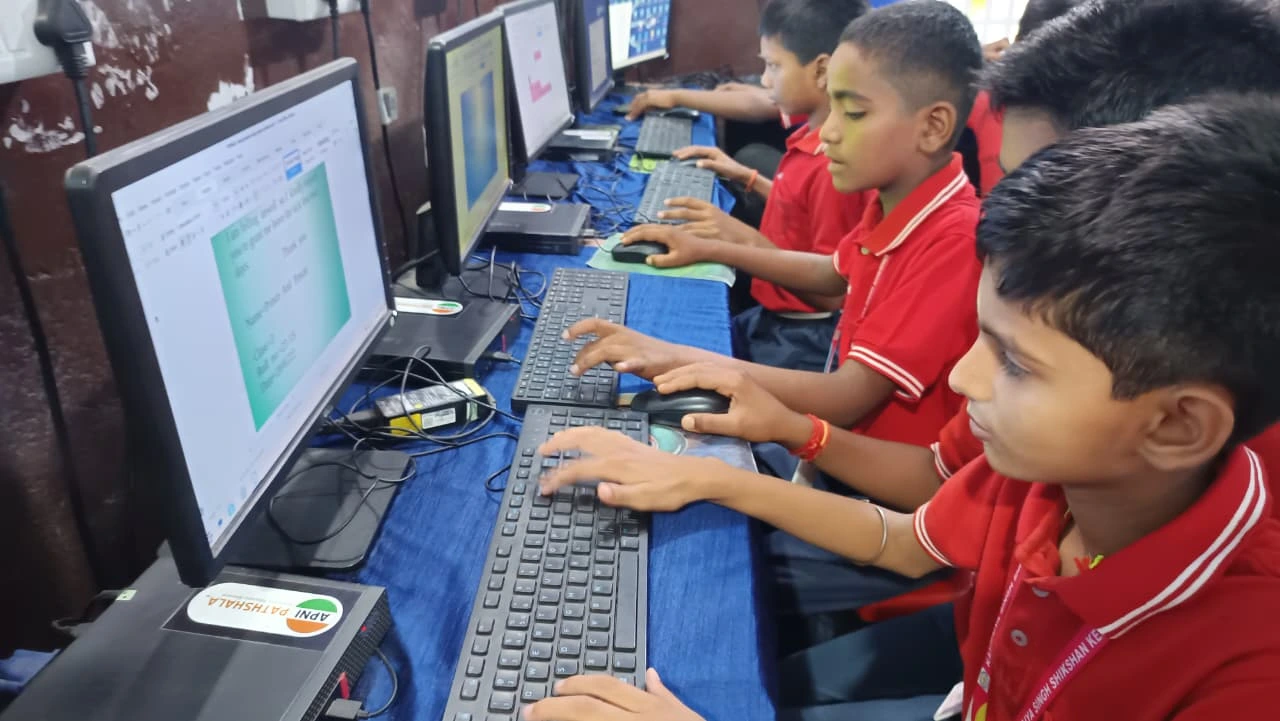
This is where purpose-built educational computers make sense. A device designed for learning, without gaming apps or social media preinstalled, helps your child stay focused. The Apna PC, for example, comes with Zorin OS and Apni Prerna (student monitoring software), plus educational tools like LibreOffice and Scratch. It’s configured specifically for students, which means fewer distractions and better study outcomes.
When you separate entertainment devices from learning devices, your child’s healthy technology habits improve dramatically. They know which device is for focus and which is for leisure.
Setting Up Your Home for Better Digital Habits
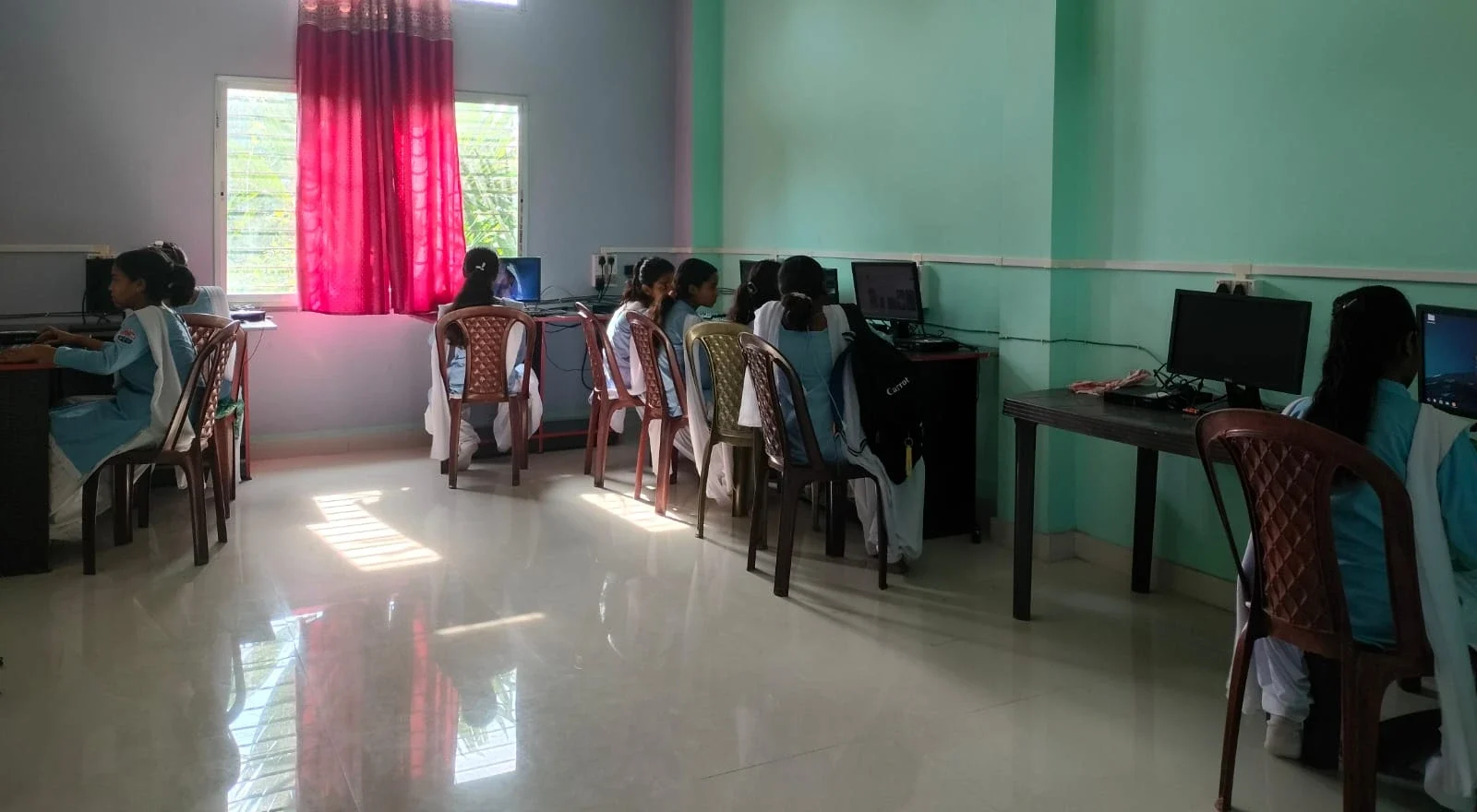
Your physical environment shapes your child’s technology use. Create a dedicated study space with a proper desk and chair. Keep entertainment devices (TV, gaming console) in common areas, not bedrooms. This simple change prevents late-night scrolling.
Charge all devices outside bedrooms overnight. Yes, this includes your phone too. Your child’s sleep quality directly impacts their ability to learn and regulate emotions. When phones aren’t accessible at 2 AM, midnight scrolling stops.
Consider using parental controls thoughtfully, not secretly. Let your child know you’re using them. Explain that these are guardrails, not punishment. Tools like app timers and content filters help, but they work best when your child understands the reasoning.
Building a Family Technology Agreement
Instead of imposing rules, create an agreement together. Sit with your child and discuss: What are our family values around technology? What does responsible use look like? What happens when someone breaks the agreement?
This collaborative approach works better than top-down rules. Your child feels heard, and they’re more likely to follow agreements they helped create. They’re also developing critical thinking about technology, which is part of healthy technology habits.
Write it down. Post it on the fridge. Review it monthly. As your child grows, the agreement can evolve. At 12, it might be different than at 16.
Tools That Support Your Parenting Goals
You don’t have to manage this alone. The digital maturity guide offers age-appropriate frameworks for different stages of childhood. Resources from the DIKSHA platform and India Ministry of Education provide guidance on educational technology use.
For study-specific support, learn how to maintain a balanced study routine with the right device. When your child has a computer designed for learning, with built-in monitoring and educational software, healthy technology habits develop naturally.
What Happens When You Get It Right?
Three months after implementing these changes, Ravi’s situation transformed. He was sleeping better, his grades improved, and he was actually enjoying his study time. His mother noticed he was more present during family conversations. The key wasn’t being strict. It was being intentional about healthy technology habits.
Your child won’t thank you immediately for setting boundaries. But years from now, they’ll have developed self-regulation skills that serve them in every area of life. They’ll understand that technology is a tool, not a master. That’s the real win.
Start small. Pick one change this week. Maybe it’s no phones during dinner. It could be setting up a proper study space. Build from there. Your family’s healthy technology habits will develop gradually, and they’ll stick because they’re built on understanding, not punishment.
The goal isn’t raising kids who avoid technology. It’s raising kids who use it wisely. Visit apnapc.com to learn more.