

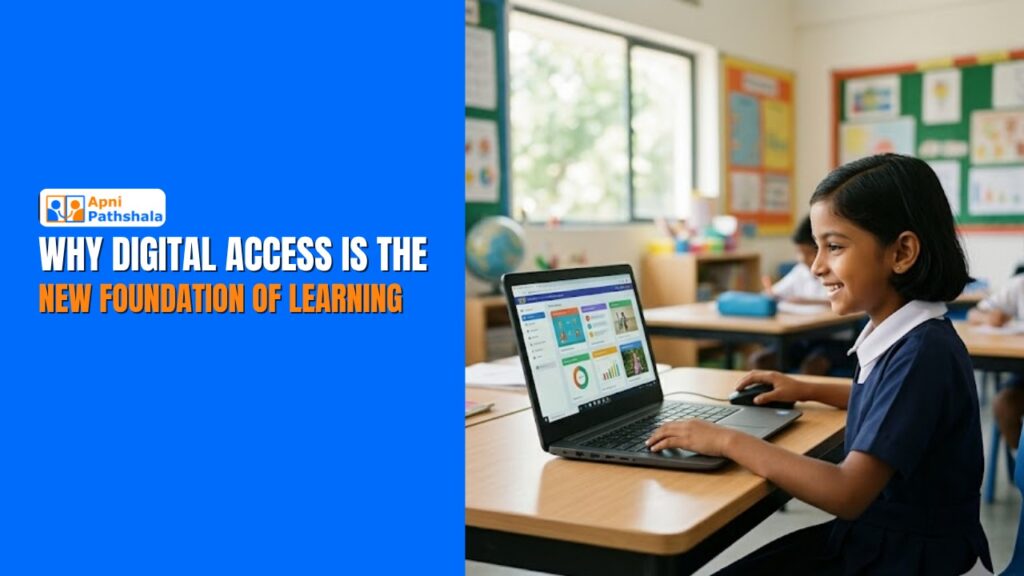
Sruthi used to walk three kilometres to her nearest cyber cafe to check her exam results. Today, she runs her own online tutoring business from her village in rural India. The only difference? She got access to a computer with the internet.
That moment when Sruthi first opened Khan Academy on her own screen wasn’t just convenient, it was life-changing. She didn’t need to travel anymore. She didn’t need to wait. Knowledge came to her, and she’s been sharing it with others ever since.
When Access Changes Everything
Think about the last time your internet went down for a few hours. Remember that feeling of helplessness? Now imagine that’s your entire life. No Google, no YouTube tutorials, no quick answers to questions that pop into your head.
Students without digital access face this every day. They can’t look up educational resources at midnight when they’re stuck on a problem. They can’t watch video explanations that might make a difficult concept click. They’re learning with one hand tied behind their backs.
We’ve seen this shift happen in real time. When Surendra got his first laptop, his grades jumped from average to the top of his class in just six months. It wasn’t that he suddenly became smarter. He just got the same tools that urban students had been using for years.
The Speed of Learning Shifts
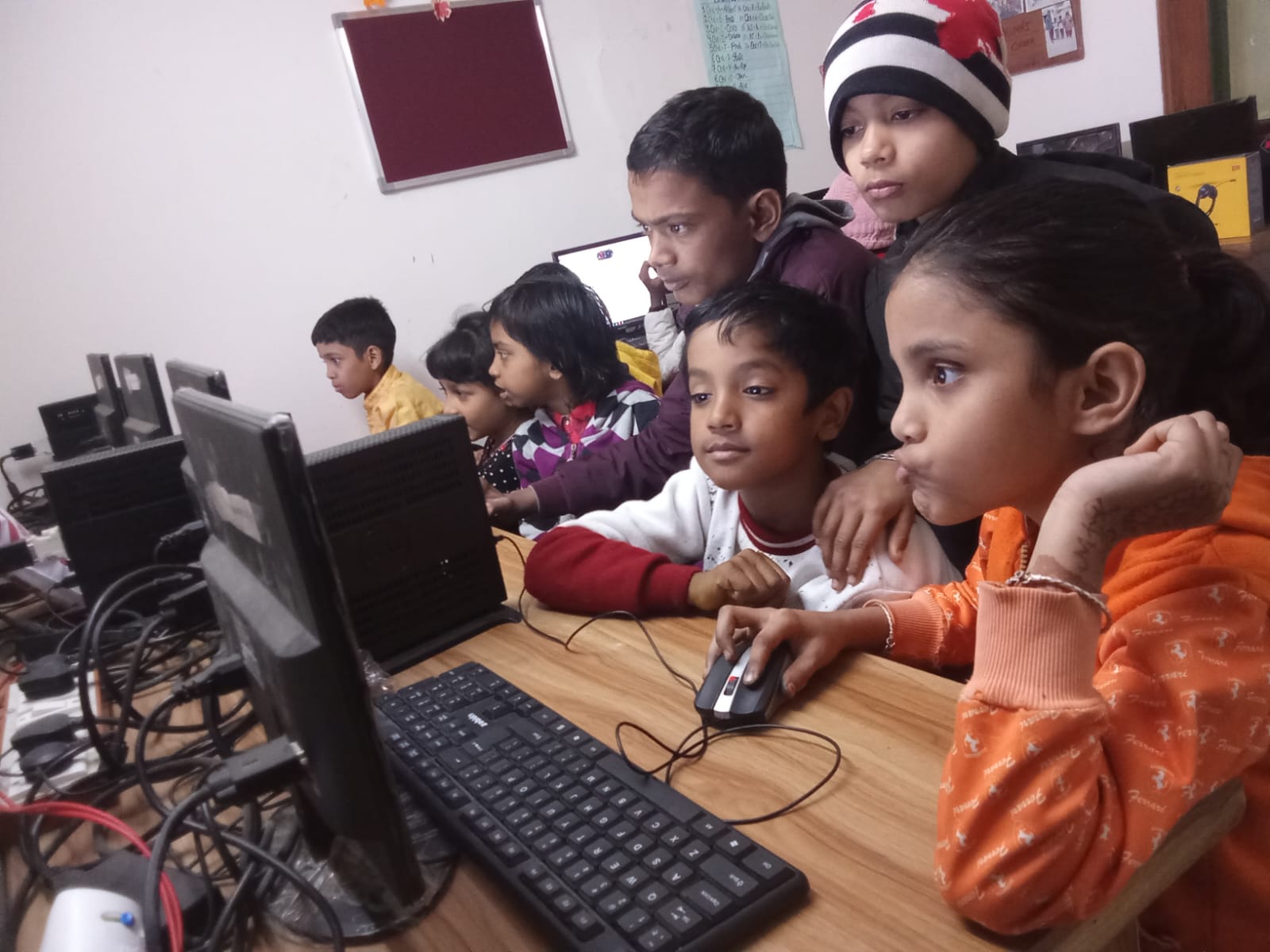
Before digital access, learning moved at the pace of your nearest library or teacher. If you lived in a city, that pace was fast. If you lived in a village like Devendra, you waited. You asked around. You hoped someone knew the answer.
Digital access destroys those distance barriers completely. A student in a remote village can access the same learning materials as someone in Mumbai or Delhi. The playing field doesn’t just level out, it expands.
Haripriya told us she used to spend two hours daily travelling to a coaching centre. Now she spends those two hours actually learning. The commute time became study time. That’s not just convenience, that’s a fundamental shift in how education works.
Self-Paced Learning Becomes Real
Traditional classrooms move at one speed. Either you keep up, or you fall behind. There’s no pause button, no rewind, no slowing down for difficult concepts.
Digital access changes this entirely. When Sivani struggled with algebra, she didn’t have to pretend she understood. She watched videos, paused when needed, and rewatched sections until they made sense. She learned at her own pace, not the teacher’s pace.
This is how digital access becomes the new basic need for students everywhere. It’s not about having fancy technology, it’s about having control over your own learning journey.
Students who learn at their own pace retain more. They stress less. They actually enjoy the process instead of constantly feeling behind.
Breaking the Resource Ceiling
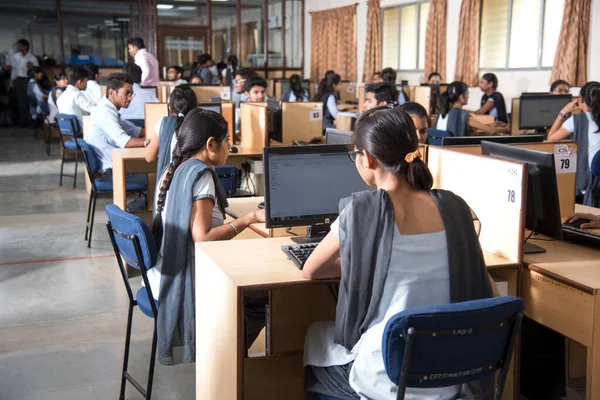
Before getting digital access, Haripriya’s study materials were limited to what her school provided. Outdated textbooks, photocopied notes from seniors, whatever she could find locally.
With internet access, she discovered the National Institute of Open Schooling and its treasure trove of free courses. She found practice tests, video lectures, and study groups online. Her resource ceiling disappeared overnight.
This matters more than we realize. Students in under-resourced areas are no less capable. They just have fewer options. Digital access doesn’t give them intelligence, it gives them opportunity.
The gap between what students can achieve with and without digital tools isn’t small. It’s massive. And it keeps growing every year.
Creating Tomorrow’s Problem Solvers
When Surendra started learning coding online, he didn’t just pick up a skill. He learned how to find answers. How to troubleshoot. How to think through problems systematically.
These aren’t just technical skills. They’re life skills. Every job in the future will require some level of digital comfort. Students who don’t get that exposure now will struggle later.
We’ve watched students transform from passive learners into active problem solvers. They don’t just consume content. They create it. They question it. They build on it. That shift happens when you give someone the tools to explore freely.
The Foundation That Lasts
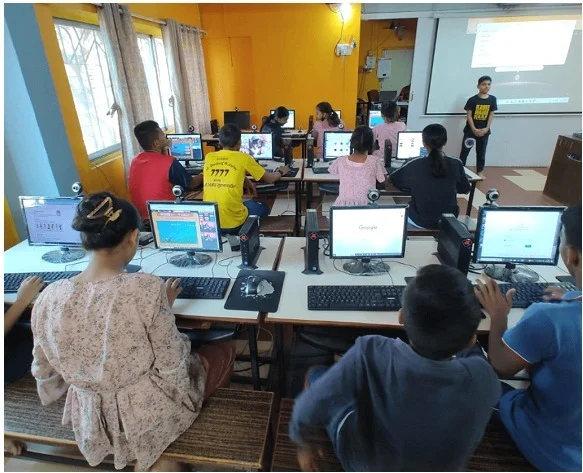
Digital access isn’t a luxury anymore. It’s the foundation that everything else builds upon. Reading, writing, and arithmetic remain important. But digital literacy sits right alongside them now. That’s why digital access is the foundation of learning.
Students who grow up without this foundation don’t just miss out on convenience. They miss out on opportunities, careers, and ways of thinking that will define the next decades.
The good news? This foundation is affordable and accessible. You don’t need the most expensive equipment. You need reliable access and the right tools.
If you’re ready to give a student that foundation, check out Apna PC at just ₹21,000 (shipping and GST excluded). It’s a small investment that changes everything.