


How many hours your child studies matters far less than how effectively those hours are used. A student who spends three hours at the desk with a phone nearby and constant distractions does less useful work than one who spends one focused hour with the right tools and no interruptions. Comparing raw study hour counts between children is unhelpful and can push a student toward the wrong habits.
Why Do Parents Default to Comparing Study Hours?
Study hours are visible and countable. Parents can see whether a child is sitting at the desk or not. What they cannot directly observe is whether the time is productive. When parents ask other parents how many hours their child studies, they are comparing the visible proxy rather than the actual outcome, which is understanding, retention, and performance.
The comparison also carries unspoken assumptions: that more hours means more learning, that the other child’s study habits are a standard to match, and that the quantity of time spent is under the student’s control rather than the quality of environment and tools. None of these assumptions hold consistently across different students.
What Does Productive Study Time Actually Look Like?
Productive study time has three characteristics: the student is working on the right material, they are not being interrupted, and they are actively processing information rather than passively re-reading. A student who opens LibreOffice to write a summary of the day’s lesson is processing actively. A student who re-reads the same textbook page while also monitoring their phone is not.
- Active processing: writing summaries, solving problems, explaining concepts aloud
- Right material: focused on what is coming up in assessments, not random revision
- No interruptions: no phone, no sharing a device with family members
- Specific goals: a task defined before sitting down, not open-ended “studying”
How Does Apni Prerna Give Better Data Than a Clock?
Apni Prerna, built into Apna PC, tracks which subjects a student worked on and for how long each session lasted. This is more useful than a raw hour count because it shows the subject distribution, not just the total time. If a student is spending all their sessions on one subject and neglecting others, Apni Prerna makes that visible.
Parents who use Apni Prerna stop asking “how many hours did you study?” and start asking “what did you work on in maths today?”. This shift from quantity to subject-level specificity is more useful for identifying gaps. For parents wanting to understand their child’s actual study patterns, the guide on the first-month study plan on Apna PC explains how to read session data productively.
What Should Parents Track Instead of Study Hours?
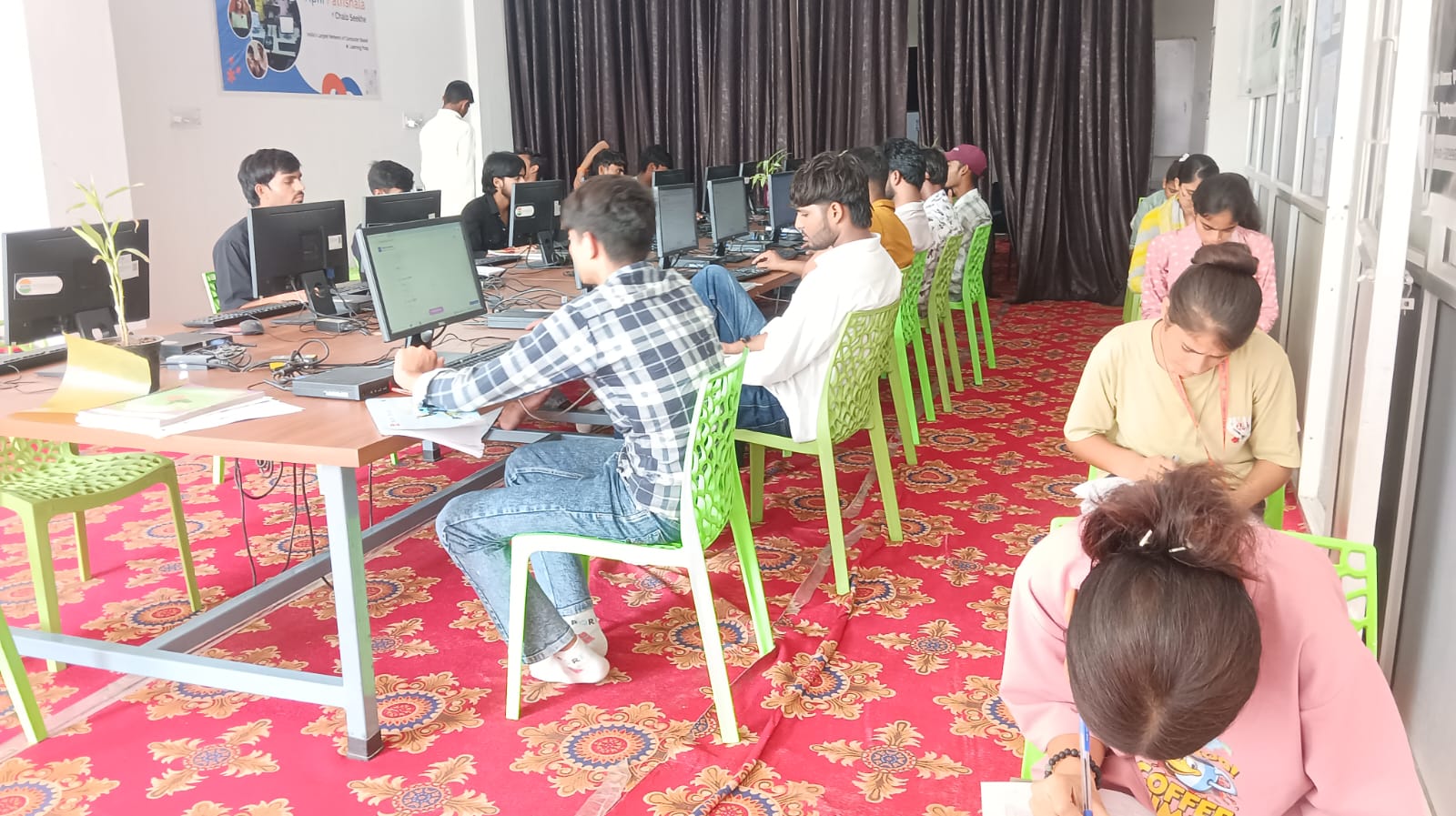
Rather than counting hours, track subject completion. Did the student finish the maths problems assigned for today? Did they write the essay draft? Did they review the science chapter before tomorrow’s test? Completion of specific tasks is a better measure of whether study time was productive than total minutes logged.
Apni Prerna’s subject-level data supports this approach. For patterns in a child’s study habits, the guide on signs of good and poor study habits in children explains what behaviours to look for and what they indicate about the child’s overall learning approach.
How Does a Dedicated Study Device Support Quality Over Quantity?
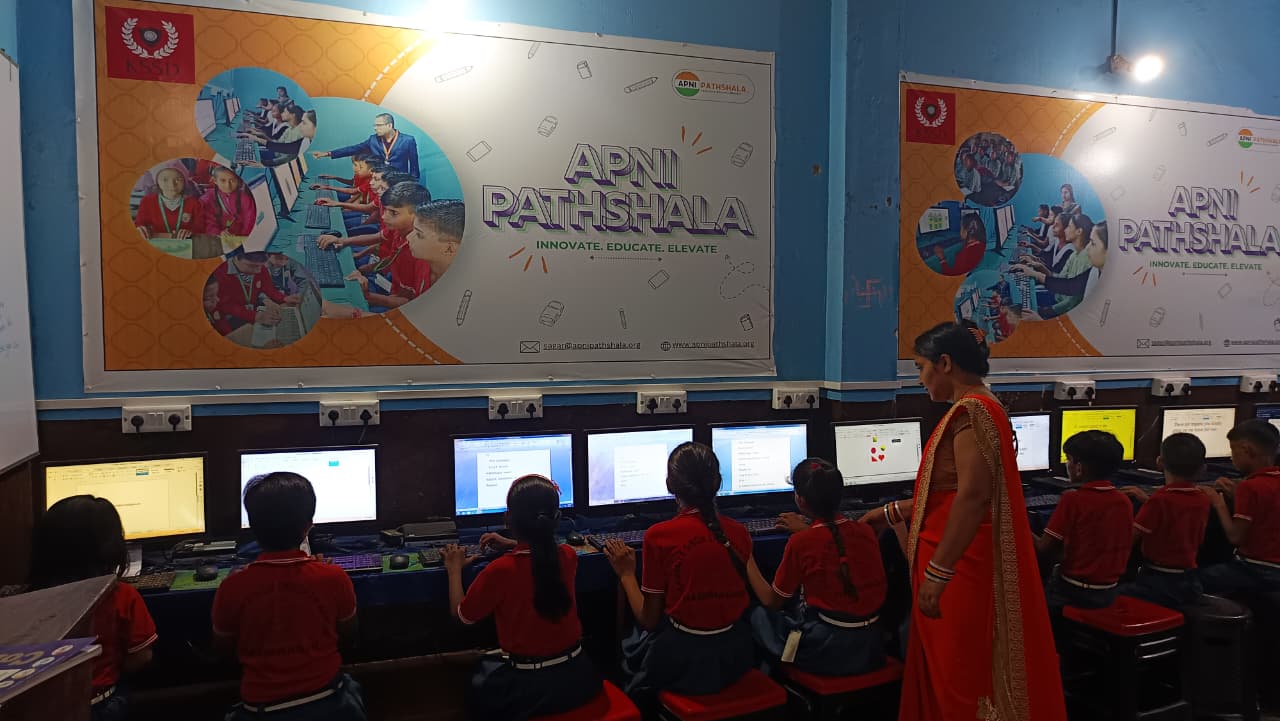
A device configured for learning, with no games, no social media, and no shared-use friction, makes it easier to start sessions and stay focused once they begin. When the starting process is fast and the environment is clean, students do more in less time. The same hour of study on Apna PC produces more output than the same hour on a shared family phone or a laptop full of entertainment shortcuts.
Parents who shift their focus from hours to outputs find that the conversation with their child becomes more specific and more useful. For more on how digital tools build lasting study habits, the full guide explains what changes over the first several months of consistent Apna PC use.
Frequently Asked Questions
Is it ever useful to compare study hours between children?
It can give a rough sense of how much time peers are investing, but it tells you nothing about quality. Two students studying for the same exam may both say they studied for several hours, but if one was focused and the other was distracted for most of that time, they are not in comparable positions. Output and subject coverage are more useful comparisons than raw hours.
How do you tell if a child’s study session was actually productive?
Ask what they can explain from the session, not what they read. If a student can describe the main idea of the chapter they studied, the session was productive. If they can only say they read the chapter without being able to recall specifics, re-reading without active processing was happening. Apni Prerna session data gives subject coverage; self-explanation tests give comprehension quality.
What is the right amount of study time for a school student?
There is no universal number that applies across all students, subjects, and classes. Younger students need less time than older ones. A student who works with high focus needs less time than one who is easily distracted. The goal is to match the amount of time to the actual workload, with sessions that end when the assigned work is done rather than when a timer goes off.
Comparing study hours with other children misleads parents into measuring the wrong thing. Focus on outputs, subject coverage, and quality of concentration instead. Visit apnapc.com to see how Apna PC and Apni Prerna support this approach.