


Rajesh’s Dilemma: When Books Aren’t Enough
Rajesh sat in his Bangalore apartment, watching his 14-year-old son Arjun hunched over his desk for three hours straight. The books were open. The notebook had scribbles. Yet when Rajesh asked a simple question about what Arjun had just read, his son looked blank. This is the struggle of millions of parents across India’s tier 2 and tier 3 cities. Good study habits are not about how long your child sits with books open. You’re not alone if you’ve wondered whether your child is truly studying or just going through the motions. Understanding what genuine studying looks like can transform your child’s academic journey and your peace of mind.
The Difference Between Sitting and Studying
There’s a massive gap between difference between studying and being near books. Your child might be physically present at the desk, but mentally they’re scrolling through social media, daydreaming, or simply staring at the same page for 20 minutes. Real studying involves active engagement, note-taking, problem-solving, and retention.
When your child is truly studying, you’ll notice they’re asking questions, writing summaries, or solving practice problems. Their eyes move purposefully across the text. They pause to think. They mark important points. If your child is sitting, their eyes glaze over after a few minutes. They turn pages without absorbing content. They can’t recall what they just read.
Signs Your Child Is Actually Learning
Watch for these clear indicators that your child’s study habits are on track:
- Active note-taking: Your child writes summaries, creates diagrams, or makes flashcards instead of just reading passively
- Asking questions: They wonder “why” and “how,” seeking deeper understanding rather than memorising facts.
- Self-testing: They close the book and try to recall what they learned, or solve practice problems without looking at answers first
- Explaining concepts: When you ask them to explain a topic, they can break it down in their own words
- Focused time blocks: They study for 30-45 minutes with full concentration, then take a break
- Progress tracking: They know their weak areas and spend more time on those topics
Red Flags That Signal Fake Studying
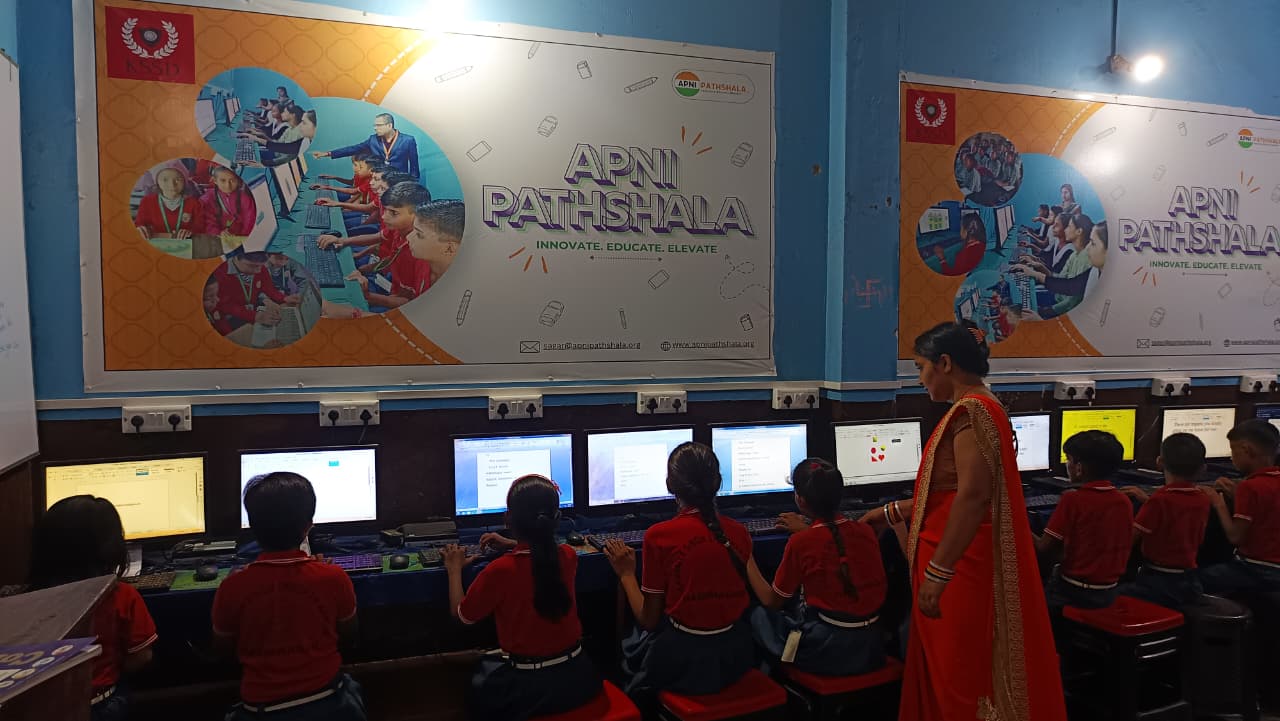
Your child might be pretending to study if they show these behaviours. They spend hours at the desk but score poorly on tests. They can’t explain what they studied when you ask. They’re constantly distracted by their phone or other sounds. They read the same paragraph multiple times without understanding it.
Another red flag is when your child studies the same way for every subject. Mathematics needs different approaches than history or languages. If they’re using identical methods for everything, they’re likely not adapting their approach. Real learners adjust their strategy based on what they’re studying.
Why Your Child’s Focus Matters
Poor study habits don’t just affect grades. They build frustration, anxiety, and a negative relationship with learning. Your child starts believing they’re “not smart enough,” when the real issue is their approach. This mindset can follow them into college and their careers.
Quality studying also saves time. A child who studies with purpose for one hour learns more than a child who sits for four hours without focus. You want your child to develop focused learning without distractions so they can balance academics with sports, hobbies, and social time.
How to Create an Environment for Real Learning
Your home setup directly impacts whether your child can concentrate. Remove distractions from the study area. That means no TV, no gaming console, and ideally, a separate phone charging station outside the room. A quiet, well-lit space with a comfortable chair and desk helps tremendously.
Invest in tools that support focused studying. A good computer with educational software can transform how your child learns. The Apna PC from Apni Pathshala comes pre-loaded with Apni Prerna, which helps monitor and improve student focus. With 8GB RAM and 128GB SSD, your child can run multiple educational applications smoothly without lag that breaks concentration.
Set clear expectations about study time. Your child should know they’re expected to study for a specific duration with their phone in another room. Use timers for focused sessions. After 40 minutes, allow a 5-10 minute break. This rhythm helps maintain concentration and prevents burnout.
Questions to Ask Your Child About Their Learning
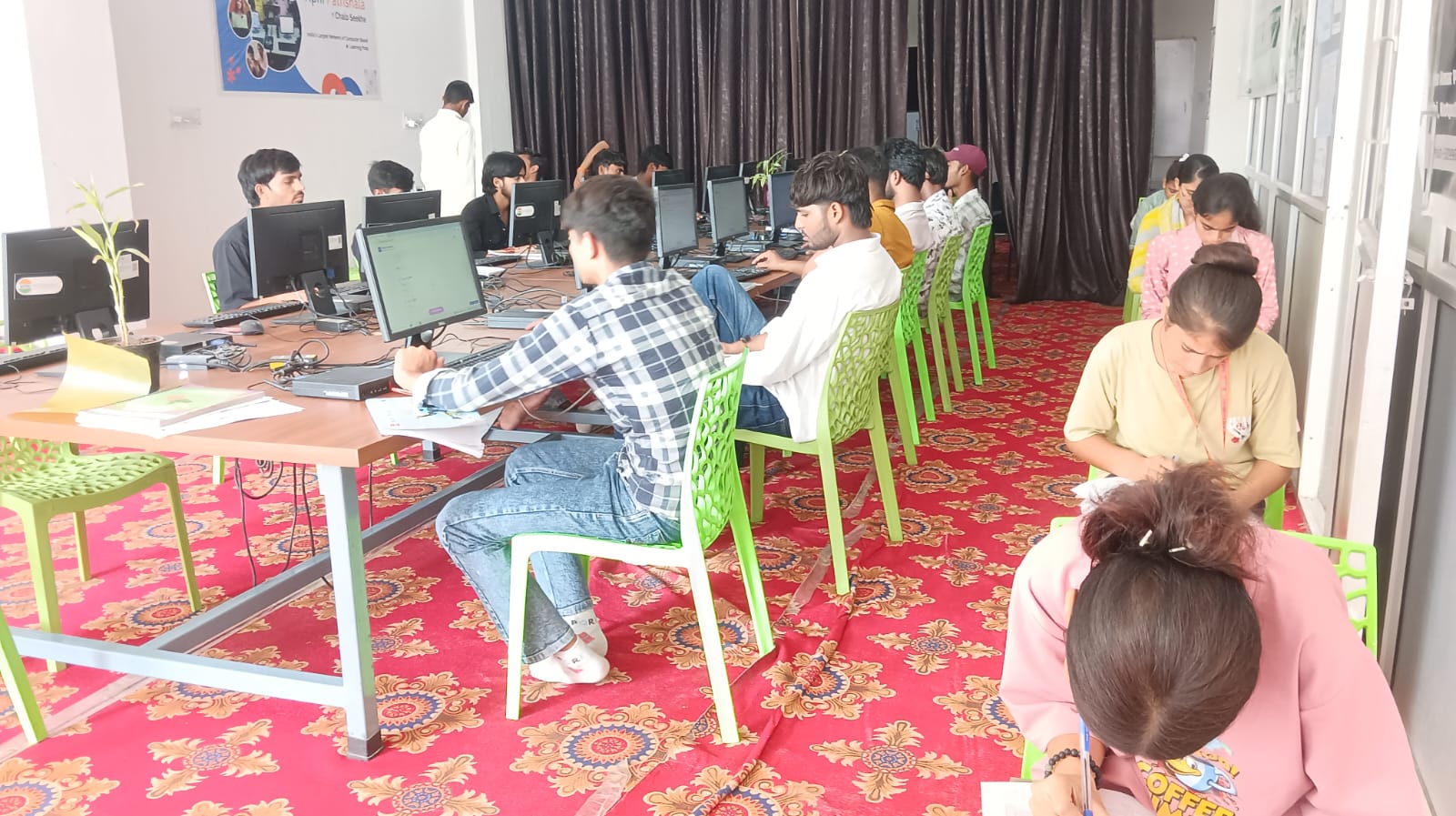
You don’t need to spy on your child to understand their study habits. Ask direct questions that reveal their level of engagement. “What was the most interesting thing you learned today?” A child who’s truly studying can answer this. “Can you teach me what you just studied?” If they struggle to explain, they didn’t really absorb it.
Ask them about their weak areas. A serious student knows which topics confuse them and actively works to improve. They can tell you exactly what they’re struggling with and what strategy they’re trying. This self-awareness shows genuine learning.
The Role of Technology in Better Study Habits
Technology gets blamed for distracting students, but the right tools actually enhance learning. Educational computers designed specifically for students can provide educational resources in India tailored to your child’s curriculum. The Apna PC includes LibreOffice for document creation and Scratch for coding basics, giving your child practical skills alongside traditional subjects.
Zorin OS on the Apna PC is designed to minimise distractions while maximising productivity. Your child can access quality educational content without the temptation of social media or games. Apni Prerna monitoring software helps you understand their actual study patterns and time spent on different subjects.
According to the Ministry of Education, technology-enhanced learning improves retention by up to 40% when used correctly. The key is having a device designed for education, not entertainment.
Building Better Study Habits Takes Time
You won’t see change overnight. Building genuine study habits is a gradual process that requires patience from both you and your child. Start by identifying one area to improve. Maybe it’s eliminating phone distractions this week, then adding active note-taking next week.
Celebrate small wins. When your child explains a concept clearly or scores better on a test, acknowledge the effort. Connect their improved grades to their better study methods, not just intelligence. This builds confidence and motivation to maintain good habits.
The investment you make now in helping your child develop real study habits pays dividends throughout their education. They’ll become independent learners who don’t need constant supervision. They’ll develop problem-solving skills that serve them in any field they choose. At Rs.30,000 (shipping and GST excluded), the Apna PC gives your child the right environment to build these habits for life.
Visit apnapc.com to learn more.