

Fear of technology is real, and it’s more common than most people admit. Students who grew up without computers at home often develop a kind of anxiety around digital tools a sense that technology is complicated, that they’ll break something, that it’s “not for them.” This mindset, if it persists, becomes a genuine barrier to academic and professional growth.
Apna PC does something specific about this. It doesn’t just give students a computer it gives them an environment where they can explore without fear, make mistakes without consequences, and gradually build the kind of digital confidence that transforms how they approach learning and life.
Where the Fear Comes From
When children see adults treating computers as fragile or complicated, they absorb that message. When they’re only allowed to use a shared family device with strict supervision, they never get the chance to explore freely. When their school’s computer lab requires permission slips and careful procedures, the experience feels formal and intimidating rather than natural and fun.
The result is students who can technically operate a computer but don’t feel comfortable with it. They hesitate before clicking. They ask permission for things they should just try. They avoid tasks that involve unfamiliar software because the unknown feels risky.
This isn’t a small issue. In today’s educational and professional environments, people who hesitate around technology get left behind not because they’re less capable, but because confidence gaps slow everything down.
What Ownership Does for Confidence
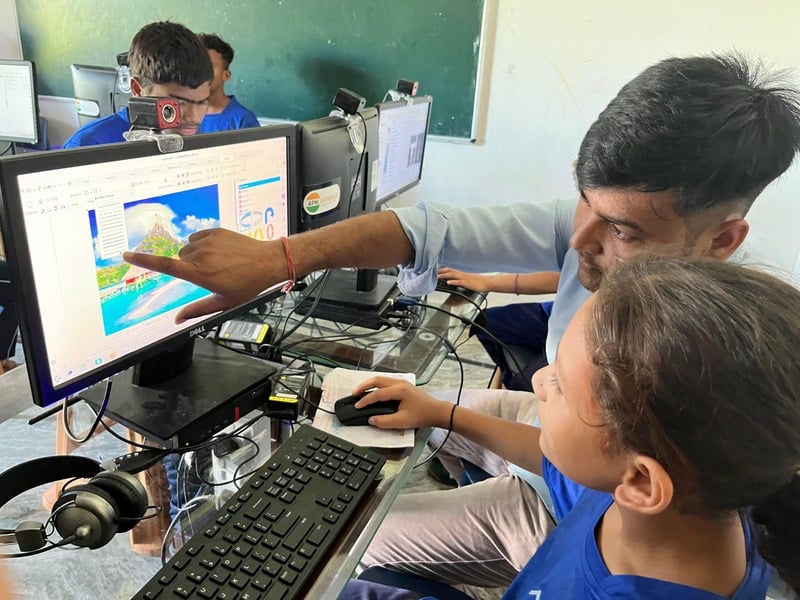
The most powerful thing about giving a student their own device is what it communicates: this is yours, explore it. There’s no shared device anxiety. There’s no worry about what someone else will think if they look at the history. There’s no fear of using up someone else’s storage space or messing with their files.
When children own their device, they engage with it on their terms. They install things, delete things, figure things out. They make mistakes, and then they fix them. Each mistake that gets fixed is a small confidence win. Over time, those small wins accumulate into something significant: a fundamental belief that they can figure out technology.
According to UNICEF’s digital learning research, student agency the sense that you’re in control of your own learning is one of the strongest predictors of ongoing motivation and educational achievement. Personal device ownership is one of the most direct ways to create that agency.
How Confidence in Technology Spills Into Other Areas
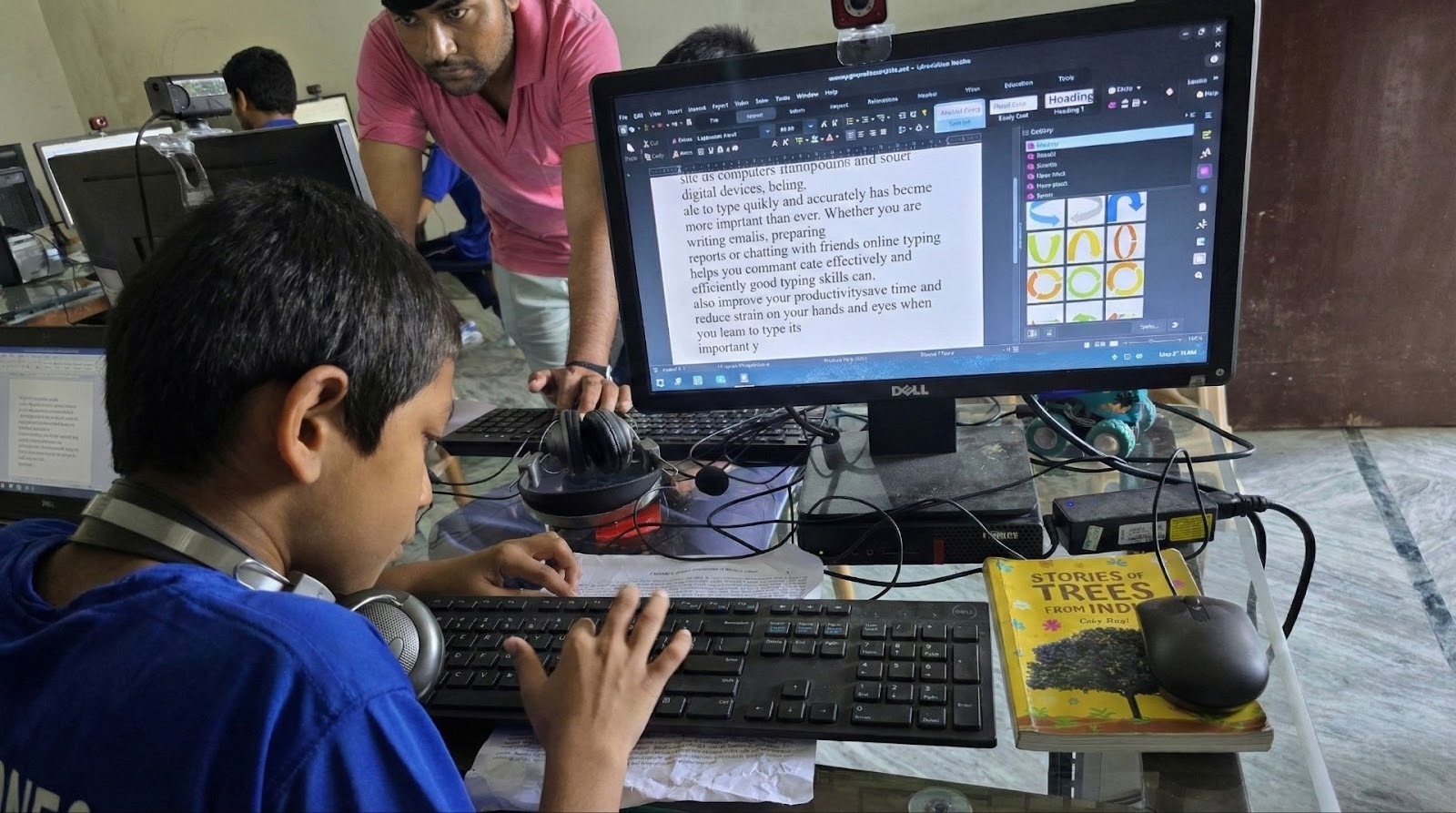
What’s interesting about digital confidence is that it doesn’t stay neatly within the technology box. Students who develop comfort and competence with computers tend to become more confident learners generally. They’re more willing to try new tools, explore unfamiliar topics, and take on challenging projects.
A student who has figured out how to install software, troubleshoot a problem, and create their first document has learned something beyond those specific tasks. They’ve learned that new things can be figured out. That feeling “I can work this out” is one of the most valuable mindsets a learner can have.
The Ministry of Education’s emphasis on holistic development in the National Education Policy includes building student agency and confidence alongside academic knowledge. Digital tools, used in the right environment, contribute directly to that goal.
The Apna PC Difference: Confidence Through Regular Use
You can’t build confidence with something you rarely use. That’s why shared school labs and occasional family device access aren’t enough. Confidence with technology requires regular, casual, exploratory use the kind that only comes when you have your own device.
Apna PC creates that environment. Students who use it daily develop a relationship with the computer that’s comfortable and natural. They stop thinking of it as a special device and start thinking of it as a tool one they know how to use, one that helps them do things they want to do.
See how Apna PC builds equal learning opportunities not just through access, but through the confidence that access creates over time. That confidence is what turns a device into a genuine life advantage.