

When parents hear the word “monitoring,” a lot of them flinch. And honestly, that’s understandable. Nobody wants to be the parent who reads every message, tracks every click, and turns their child’s bedroom into a surveillance zone. That kind of oversight doesn’t build trust it destroys it.
But there’s a version of monitoring that’s completely different from that. And understanding the distinction matters enormously for parents trying to support their child’s digital learning in a healthy way. Tools like Apni Prerna are designed around this healthier version.
What Spying Actually Looks Like And Why It Backfires
Surveillance-style monitoring is about distrust. It involves secretly checking a child’s messages, reviewing browser history without their knowledge, using hidden tracking software, and treating every digital action as a potential problem to catch.
The research on this is pretty consistent: secretive parental surveillance tends to backfire. Children who discover they’ve been monitored without their knowledge feel betrayed. They don’t learn to make better decisions they learn to hide things better. The oversight that was supposed to keep them safe often pushes them toward less safe behaviours in spaces parents can’t see.
That’s not the goal. The goal is to raise a child who can navigate the digital world thoughtfully not a child who is watched constantly and never learns to develop their own judgement.
What Healthy Progress Monitoring Actually Looks Like
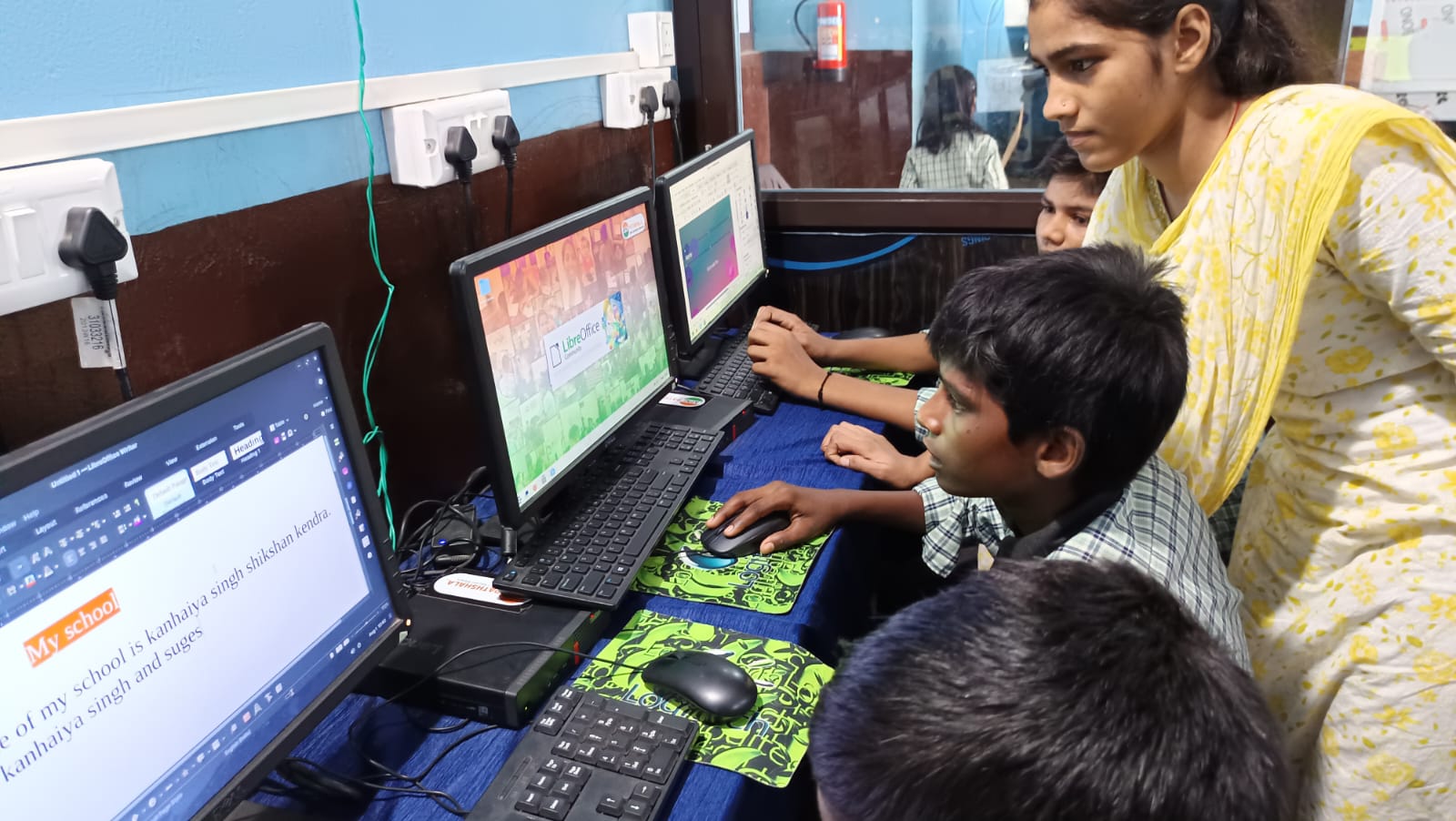
Monitoring student progress is different in almost every way from surveillance. It starts with transparency: children know their learning activity is visible, understand why, and ideally are involved in reviewing it themselves.
The focus of healthy progress monitoring is learning, not behaviour. Instead of asking “what websites did my child visit?” the relevant question is “what subjects did they engage with, how long did they spend, and are they improving?” These are questions that help parents support learning not questions designed to catch misbehaviour.
Apni Prerna operates on this principle. It makes learning visible subjects covered, time spent, activities completed without invading personal space or treating the child as a suspect. The data is about education, not surveillance.
How Transparency Builds Trust Rather Than Breaking It
When children know their parents can see their learning activity, and when that information is used to have supportive conversations rather than accusatory ones, something interesting happens: they often start engaging more earnestly with their learning. They want to have positive things to show.
The visibility becomes motivating rather than oppressive. “Let’s look at what you learned this week” is an invitation to share. It’s very different from “I’m checking what you did on the computer yesterday.”
According to UNICEF’s digital safety guidelines for children, the most effective parental involvement in children’s digital lives is characterised by open communication and shared understanding, not covert surveillance. Children who feel trusted are more likely to come to their parents when they encounter problems online.
Setting Clear Expectations From the Start
One of the most important things parents can do when introducing any monitoring or tracking tool is to explain it to their child. “This app helps us see what you’re learning on the computer. We’re not reading your messages we can see how much time you’re spending on different subjects, and we’ll use that to help you.” That conversation, had honestly and early, changes the whole dynamic.
The Ministry of Education’s digital school guidelines encourage schools and families to work together with transparency about how digital tools are used in student learning. That same principle applies at home.
Explore how Apni Prerna creates clarity, responsibility, and trust in digital learning not by watching children, but by making learning visible in ways that bring families closer together around education.
The Bottom Line
Monitoring learning progress and spying on a child are fundamentally different acts. One is about support, transparency, and building a child’s ability to learn independently. The other is about control and distrust. The tools you use and the conversations you have around them determine which category you’re in. Choose the kind that builds your child up not the kind that breaks down trust.