

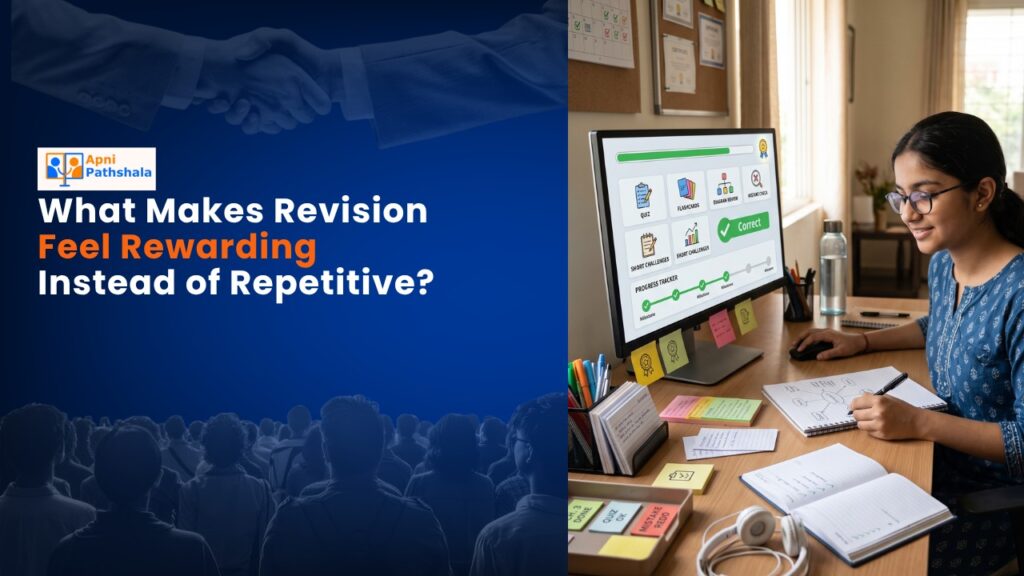
When Revision Becomes a Burden: Ravi’s Story
Ravi’s mother, Priya, sat across from his desk in their Indore home, watching her 14-year-old son stare blankly at the same Mathematics chapter for the third time that week. His eyes moved across the page, but nothing stuck. “Beta, you’ve read this already,” she said gently. Ravi slumped in his chair: “Mom, I know I’ve studied it, but it feels like I’m just reading the same words over and over. Nothing feels new anymore.” This is the moment many parents in Tier 2 and Tier 3 cities recognise. Your child isn’t lazy. They’re stuck in revision techniques that feel like punishment, not progress.
Revision doesn’t have to feel like this. The difference between revision that drains your child and revision that excites them comes down to one thing: how they approach it. When revision techniques focus on active engagement instead of passive re-reading, everything changes. Your child moves from feeling stuck to feeling capable.
Why Traditional Revision Techniques Leave Your Child Unmotivated
Most students revise the way they first studied: by rereading notes, copying answers, or highlighting textbooks in different colours. It feels familiar, so parents assume it’s working. But here’s the truth that teachers rarely tell you: your brain gets bored with information it’s already seen.
When your child reads the same material multiple times, their brain doesn’t work hard. It recognises patterns and switches to autopilot. This is why Ravi could read a chapter three times and still feel blank during the exam. His brain wasn’t being challenged. It was coasting.
- Passive Re-reading: Your child reads notes repeatedly but doesn’t recall information without the text in front of them. This creates false confidence.
- Highlighting Everything: When everything is highlighted, nothing stands out. Your child can’t distinguish between key concepts and supporting details.
- Copying Answers: Writing answers without thinking first tricks your child into believing they understand when they’re just transcribing.
- No Time Gaps: Revising the same topic on the same day creates short-term memory, not long-term learning.
These habits don’t just fail your child. They can feel like punishment because there’s no sense of progress or discovery. That’s when revision becomes repetitive instead of rewarding.
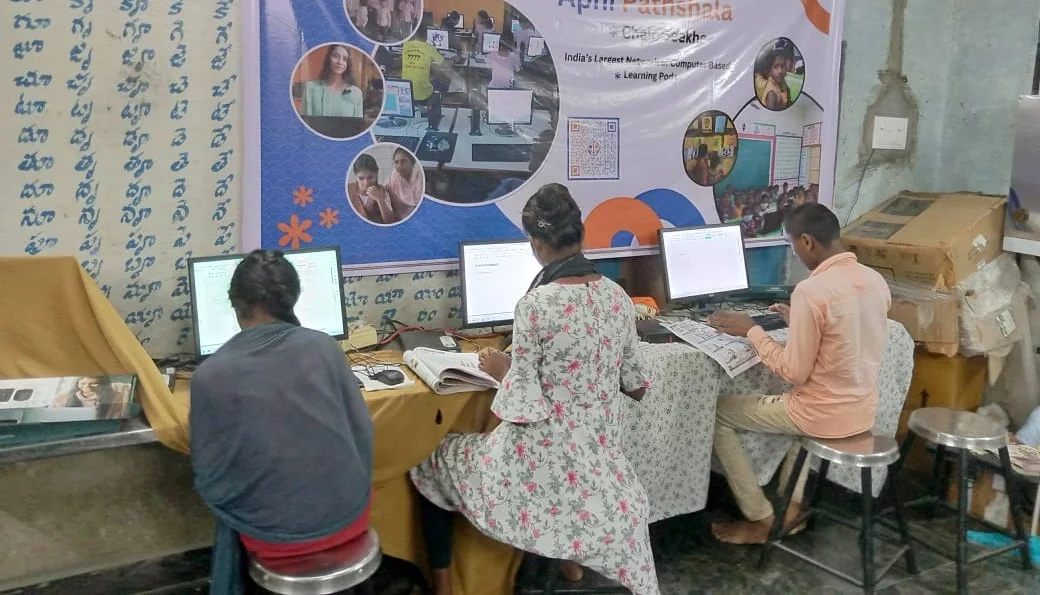
Revision Techniques That Actually Work: Make It Active, Not Passive
Rewarding revision techniques require your child to retrieve information from memory, not just recognise it on a page. This is called active recall, and it’s the closest thing to a learning superpower your child can develop.
Instead of rereading notes, your child should close the book and write down everything they remember about a topic. They’ll be surprised at how much they actually know and how much they’ve forgotten. That gap between what they remember and what they don’t is where real learning happens.
- The Blank Page Method: Your child writes everything they remember about a topic without looking at notes. Then they check what they missed and focus their next revision on those gaps.
- Teaching Someone Else: Ask your child to explain a concept to you, their sibling, or even to themselves on a voice recording. If they can’t explain it clearly, they don’t understand it yet.
- Practice Tests Without Pressure: Your child takes practice tests without pressure to test their knowledge in exam-like conditions. This builds confidence and reveals weak areas before the real exam.
- Spaced Revision: Your child revises the same topic on day 1, then day 4, then day 10. Each gap forces their brain to work harder to recall information, building stronger memory.
These techniques feel different because they are different. Your child’s brain is working, thinking, and problem-solving. That’s what makes revision rewarding instead of repetitive.
The Role of the Right Tools in Making Revision Stick
Revision techniques work better when your child has the right environment and tools. A cluttered desk, a phone buzzing with notifications, and outdated software all add friction to the revision process. Your child’s focus fractures before their learning deepens.
This is where having a dedicated learning device makes a real difference. The Apna PC is built specifically for students like yours. With 8GB RAM and 128GB SSD, it handles multiple study apps and practice tests without slowing down. Zorin OS is clean, distraction-free, and built for learning. There’s no bloatware, no unnecessary notifications, just a computer that supports focused study sessions.
The pre-loaded Apni Prerna app lets you monitor your child’s study progress without hovering over their shoulder. You can see which topics they’re revising, how long they’re spending on each subject, and where they need extra help. This data-driven approach transforms revision from guesswork into strategy.
At Rs.30,000 (shipping and GST excluded), the Apna PC isn’t expensive compared to the private tuition many parents pay. It’s an investment in your child’s ability to revise effectively, independently, and with confidence.
Building a Revision Schedule Your Child Will Actually Follow
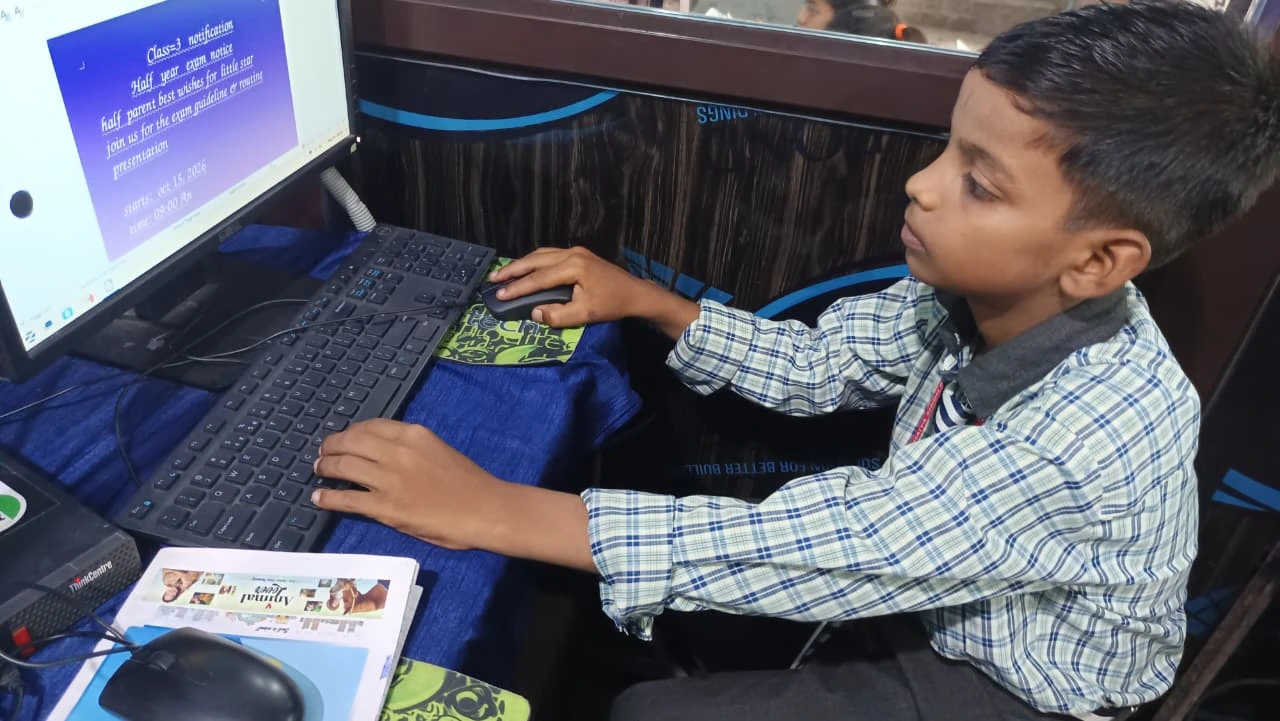
The best revision techniques fail without a schedule. Your child needs to know exactly when they’re revising, what they’re revising, and how they’re revising it. Vagueness breeds procrastination.
Create a revision calendar with your child. Mark which topics they’ll revise on which days. Space out the same subject across multiple days so they’re revising with gaps, not all at once. This isn’t punishment. It’s strategy.
For example: Monday might be Biology Chapter 3 (first revision). Wednesday might be Biology Chapter 3 (spaced revision). Friday might be Biology Chapter 3 (final check before the test). Your child sees progress. They’re not just re-reading the same chapter three times in one day. They’re returning to it with fresh eyes each time.
Use your Apna PC to set reminders and track this schedule. A structured plan and the right device keep your child on track without you having to remind them constantly.
When Revision Becomes the Moment Your Child Realises
Here’s what happened when Priya changed Ravi’s approach. Instead of reading his Math chapter again, she asked him to solve three problems without looking at examples. He got one wrong and two right. That mistake became the focus of his next revision session. He wasn’t re-reading everything. He was targeting exactly what he didn’t understand.
Within two weeks, Ravi’s attitude shifted. Revision stopped feeling like punishment. It started feeling like proof. Every time he solved a problem correctly that he’d gotten wrong before, he felt capable. Every time he explained a concept to his mother clearly, he felt confident. Revision became rewarding because it showed him progress, not repetition.
This is what your child can experience when you shift from passive revision techniques to active ones. The goal isn’t to study longer. It’s to study smarter. Your child needs long-term concept learning that builds real understanding, not temporary memory.
For more information about how Apna PC supports active learning and effective revision, explore resources from Education in India and the Ministry of Education of India to understand the broader context of student learning in our country.
Your child’s revision doesn’t have to feel like repetition. It can feel like discovery, progress, and growing capability. Visit apnapc.com to learn more.