

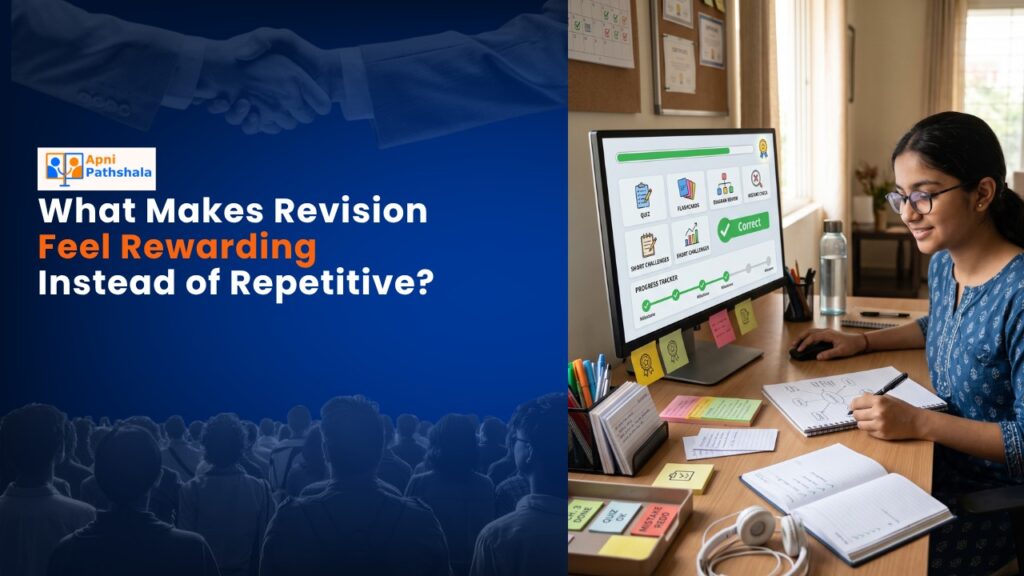
Revision feels repetitive when it only involves re-reading notes. It becomes rewarding when students actively retrieve information from memory, test themselves, and see real gaps closing. Switching from passive review to active recall methods changes how your child experiences study time, turning it from something to endure into something that shows them what they know.
Why do traditional revision methods leave children feeling stuck?
Most students revise the way they first studied: by rereading notes, copying answers, or highlighting textbooks in different colours. But the brain gets bored with information it has already seen. It recognises patterns and switches to autopilot. Your child can read a chapter three times and still feel blank during the exam if the brain was not being challenged. It was coasting.
- Passive re-reading: Your child reads notes repeatedly but cannot recall information without the text in front of them. This creates false confidence.
- Highlighting everything: When everything is highlighted, nothing stands out. Your child cannot distinguish between key concepts and supporting details.
- Copying answers: Writing answers without thinking first tricks your child into believing they understand when they are just transcribing.
- No time gaps: Revising the same topic on the same day creates short-term memory, not long-term learning.
These habits do not just fail your child. They feel like punishment because there is no sense of progress or discovery. That is when revision becomes repetitive instead of rewarding.
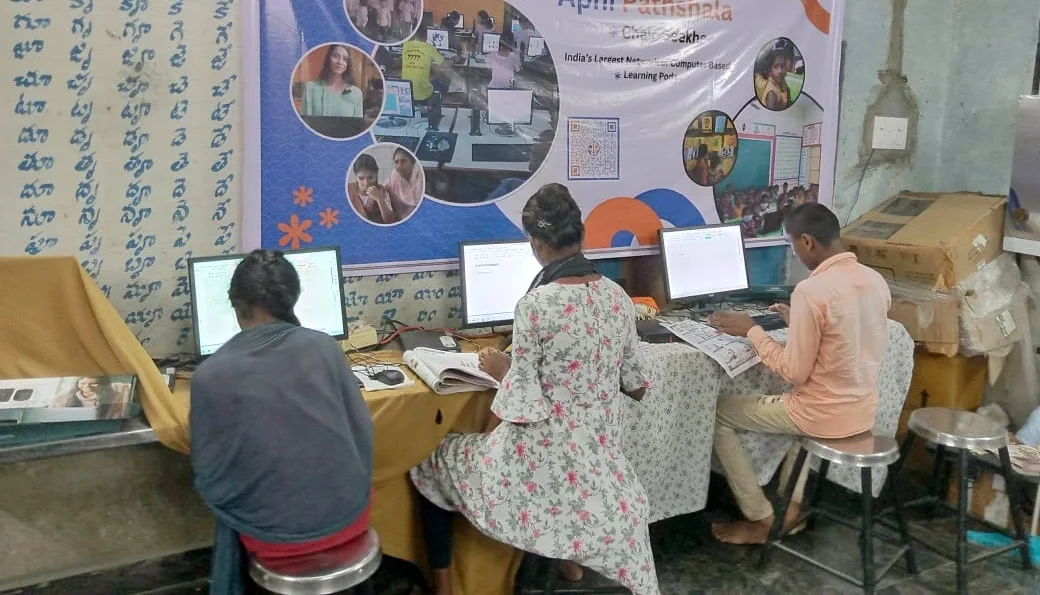
Which active revision techniques actually improve memory and results?
Rewarding revision requires your child to retrieve information from memory, not just recognise it on a page. This is called active recall, and it is the most effective approach a student can build as a habit.
Instead of rereading notes, your child should close the book and write down everything they remember about a topic. The gap between what they remember and what they have forgotten is exactly where real learning happens.
- The blank page method: Your child writes everything they remember about a topic without looking at notes. Then they check what they missed and focus their next revision on those gaps.
- Teaching someone else: Ask your child to explain a concept to you, their sibling, or even to themselves on a voice recording. If they cannot explain it clearly, they do not understand it yet.
- Practice tests without pressure: Your child takes practice tests without pressure to test their knowledge in exam-like conditions. This builds confidence and reveals weak areas before the real exam.
- Spaced revision: Your child revises the same topic on day 1, then day 4, then day 10. Each gap forces their brain to work harder to recall information, building stronger memory.
These techniques feel different because they are different. Your child’s brain is working, thinking, and problem-solving. That is what makes revision rewarding instead of repetitive.
How do the right tools help revision stick?
Revision techniques work better when your child has the right environment and tools. A cluttered desk, a phone buzzing with notifications, and outdated software all add friction to the revision process. Focus fractures before learning deepens.
Apna PC is built specifically for students. With 8GB RAM and 128GB SSD, it handles multiple study apps and practice tests without slowing down. Zorin OS is clean, distraction-free, and built for learning. There is no bloatware, no unnecessary notifications, just a computer that supports focused study sessions.
The pre-loaded Apni Prerna app lets you monitor your child’s study progress without hovering over their shoulder. You can see which topics they are revising, how long they are spending on each subject, and where they need extra help. This approach transforms revision from guesswork into strategy.
At Rs.30,000 (shipping and GST excluded), Apna PC is an investment in your child’s ability to revise effectively, independently, and with confidence.
How do you build a revision schedule your child will actually follow?
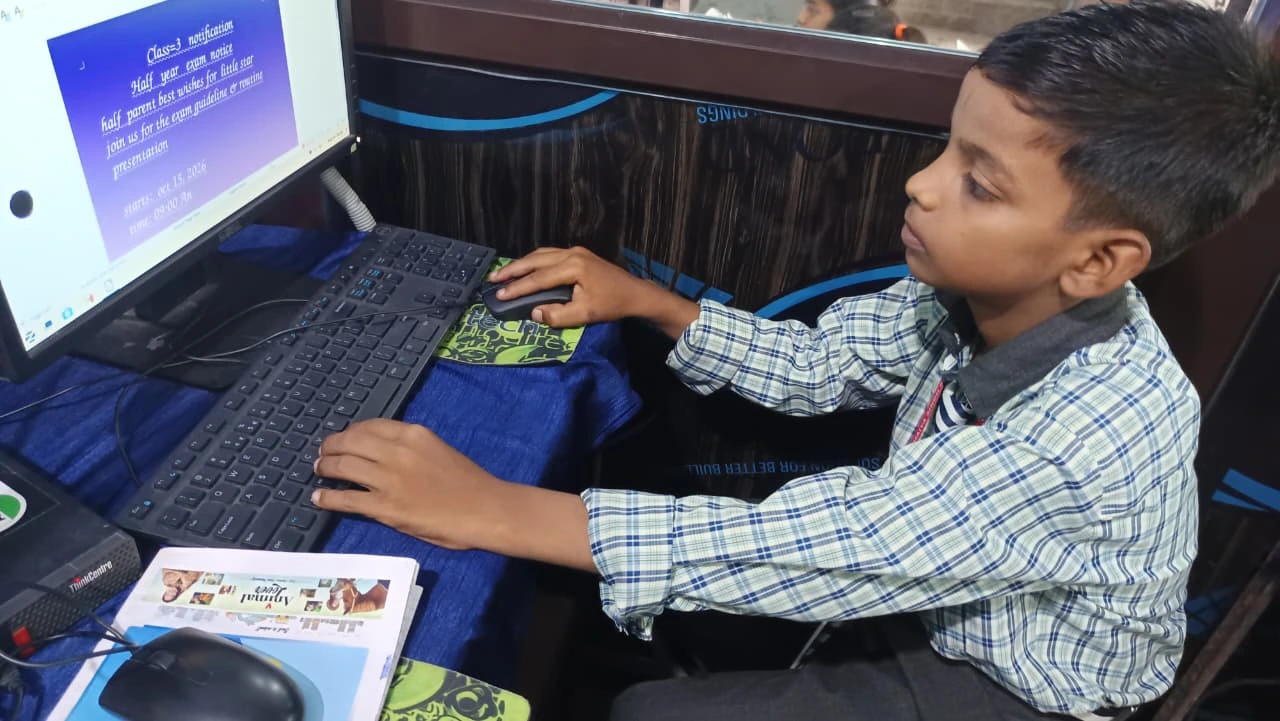
The best revision techniques fail without a schedule. Your child needs to know exactly when they are revising, what they are revising, and how they are revising it. Vagueness breeds procrastination.
Create a revision calendar with your child. Mark which topics they will revise on which days. Space out the same subject across multiple days so they are revising with gaps, not all at once. This is strategy, not punishment.
For example: Monday might be Biology Chapter 3 (first revision). Wednesday might be Biology Chapter 3 (spaced revision). Friday might be Biology Chapter 3 (final check before the test). Your child sees progress. They are not just re-reading the same chapter three times in one day. They are returning to it with fresh eyes each time.
Use Apna PC to set reminders and track this schedule. You can also read more about building a revision schedule that actually works around your child’s energy levels and school timetable.
What changes when revision becomes a source of progress?
When your child switches from passive revision to active methods, the attitude shifts. Revision stops feeling like punishment. It starts feeling like proof. For example, a student who solves a problem correctly that they got wrong before feels capable. A student who explains a concept clearly to someone feels confident.
Revision becomes rewarding because it shows progress, not repetition. The goal is not to study longer. It is to study smarter. Your child needs long-term concept learning that builds real understanding, not temporary memory.
For background on how learning works in India, the Education in India article provides useful context. Your child’s revision does not have to feel like repetition. It can feel like discovery and growing capability. Visit apnapc.com to learn more.
Frequently Asked Questions
How long should a revision session be?
Short, well-structured revision sessions with active recall are more effective than long passive re-reading sessions that leave the brain on autopilot. What matters most is active engagement during each session, not simply the number of hours spent at the desk.
Is spaced revision different from reading a topic twice?
Yes. Spaced revision means returning to the same topic after a gap of several days, which forces the brain to work harder to retrieve information. Simply reading the same material twice in quick succession does not build the same level of long-term memory or genuine understanding.
Can a student practise active recall using a computer at home?
A computer makes active recall easier. Students can type out everything they remember from memory, then check their notes to find gaps. Tools pre-loaded on Apna PC, such as LibreOffice, let students create their own practice tests and blank-page revision documents without needing extra software.
Helping your child revise more actively takes a small change in approach and the right tools to support it. Apna PC provides a focused, distraction-free environment designed for exactly this kind of deep study work.