


A concept sticks long after an exam when your child understands the idea behind it, retrieves it from memory on a few separate occasions, and connects it to something they already know. These three habits, understanding deeply, recalling actively, and linking ideas, are what separate long-term learning from short-term cramming.
That is the real measure of good learning. It is not about scoring well on test day and forgetting everything by next month. Long-term learning is when concepts become part of your child’s thinking, something they can recall and apply months or even years later. This is what separates students who truly understand from those who just memorise.
Why Most Concepts Disappear After Exams
Your child studies hard, passes the test, and then the concept vanishes. Why does this happen? Because most traditional learning focuses on short-term memory, not long-term retention.
When kids cram the night before an exam, they are pushing information into their working memory. It is temporary storage. Your brain holds it just long enough to write the exam, then clears space for the next subject. There is no deep processing, no connection to what they already know.
The second reason is passive learning. Your child reads the textbook, watches a video, and thinks they have understood. But understanding and remembering are different things. True long-term learning requires active engagement. It means your child must do something with the information: solve problems, explain it in their own words, teach someone else, or apply it to new situations.
Third, most learning happens in isolation. A chapter on fractions is studied, the exam comes and goes, and it is never revisited. Without repetition and connection to other concepts, the brain has no reason to keep it in long-term storage.
The Three Things That Make Concepts Actually Stick
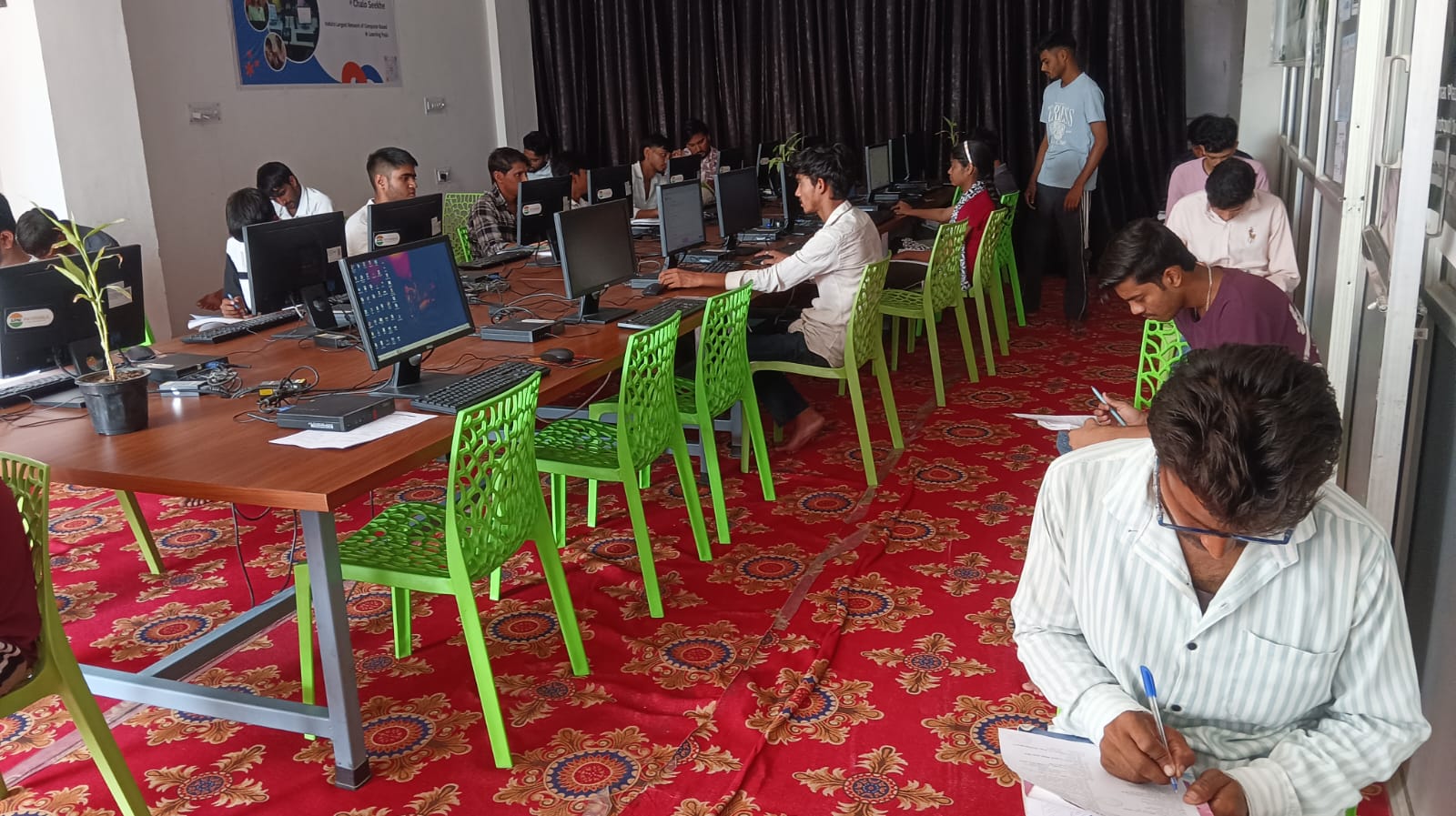
Concepts stick when three things happen together:
- Understand, do not memorise. Your child must grasp the idea behind the concept, not just remember the words. When they understand why something works, the memory is attached to meaning.
- Retrieve it repeatedly. Practise recalling the concept on several separate occasions after learning it. The act of struggling to remember is exactly what strengthens the memory.
- Connect it to other knowledge. Link the new concept to something your child already knows. Those connections give the brain a reason to keep the information in long-term storage.
This is where memory retention techniques come in. When you use them, you are not just hoping the information stays. You are actively building pathways that make the concept easier to recall later in school and in everyday life.
Active recall is the most powerful tool here. Instead of re-reading notes, your child should test themselves. Ask them questions. Make them explain concepts without looking at their notes. This struggle to remember actually strengthens the memory. The harder you work to retrieve it, the more durable the memory becomes.
Spaced practice matters too. If your child revisits a concept today, again after two days, and again after a week, the brain treats it as important and moves it into long-term storage. This is why last-minute cramming works for tomorrow’s test but fails for real understanding.
How Concept Clarity Changes Everything
Concept clarity means your child truly understands the “why” behind something, not just the “what.” Take mathematics. Many kids memorise formulas and solve problems mechanically. But when they understand why a formula works, they can solve new types of problems they have never seen before.
For example, when learning algebra, if your child understands that equations are about balance, they can solve any equation, not just the ones in their textbook. This understanding is the foundation for long-term learning.
The problem is that concept clarity takes time. It requires good teaching, practice, and the right environment. In crowded classrooms, teachers often rush through concepts. Your child does not get time to ask questions or see real examples. At home, you might not have the tools to explain complex ideas clearly.
This is where technology helps. A good educational computer setup lets your child learn at their own pace. They can pause, rewind, and re-watch explanations. They can access interactive simulations that show concepts in action. They can use tools like Scratch to create programmes and understand logic deeply.
Building Long-Term Learning at Home
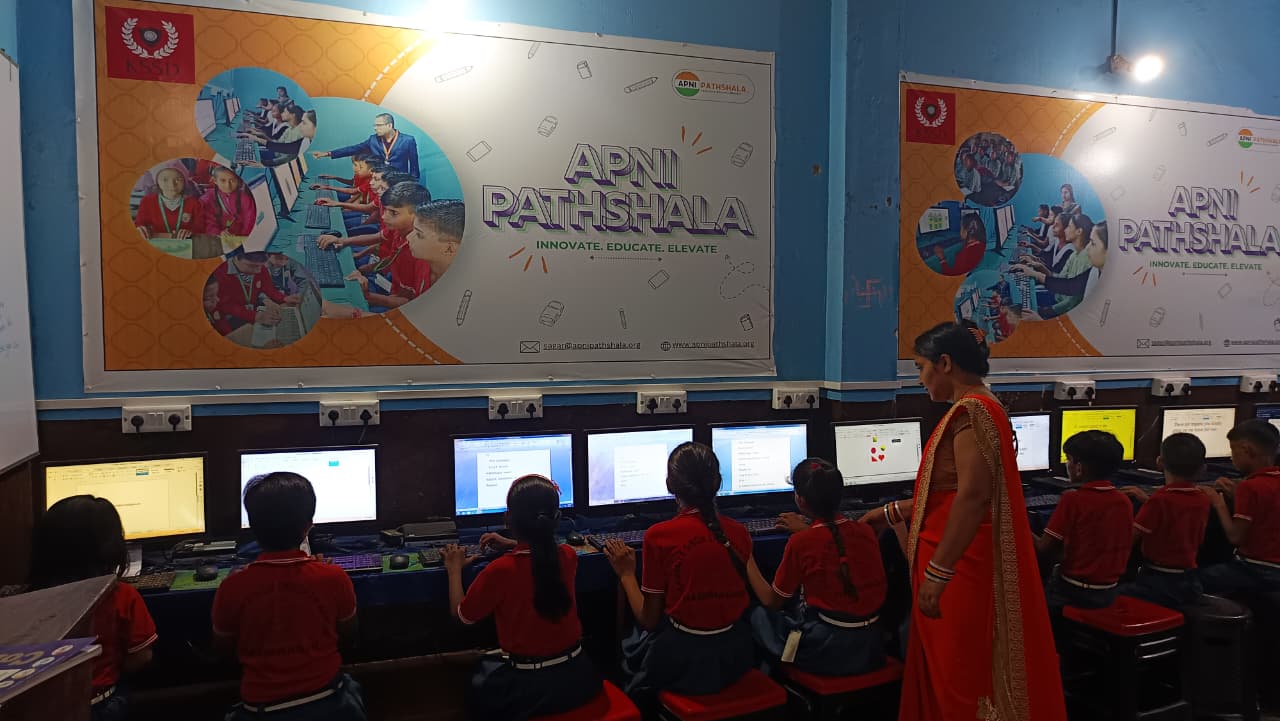
You do not need expensive coaching classes to build long-term learning. First, make sure your child understands the concept before moving ahead. If something feels unclear, spend extra time on it. Ask them to explain it to you in simple words. If they cannot do that, they have not grasped it yet.
Second, use active recall. After your child learns something, wait a few days and ask them about it without letting them look at notes. Make them retrieve it from memory. This discomfort is exactly what builds durable retention.
Third, connect new concepts to old ones. When learning about fractions, connect it to division. When learning about ecosystems, connect it to photosynthesis. Your child’s brain loves connections. They help concepts stick across subjects and exams.
Fourth, use formula revision memory tricks and mnemonics for details that need memorisation, such as formulas, dates, or vocabulary. But remember, these tools support recall. Real clarity still comes from understanding the idea behind the facts.
Fifth, create a focused learning environment. A dedicated learning space with a good computer makes a real difference. Read more about why students forget after studying even when they put in the hours.
What You Can Do Starting Today
Do not wait for the next exam to think about long-term learning. Start today. Review one concept your child learned last month. Ask them to explain it without notes. See if it stuck.
If it did not, that is the starting point. Now you know what needs to change. Create a better learning environment. Use active recall. Connect concepts. For more tools and guidance, visit apnapc.com to learn more about how the right device supports lasting learning.
Frequently Asked Questions
What is the difference between long-term learning and memorisation?
Memorisation stores isolated facts in short-term memory, which is cleared once an exam is over. Long-term learning happens when your child understands the idea behind a concept, retrieves it on separate occasions, and links it to other knowledge. The concept then becomes part of how they think rather than a temporary fact they borrowed for one test.
How often should a child revisit a concept for it to stick long-term?
Revisiting a concept on the day of learning, after two days, and again after a week gives the brain enough repetition to move it into long-term storage. The exact timing matters less than the spacing. Even a short review session, without looking at notes, is enough to strengthen the memory significantly each time.
Can a child build long-term learning habits at home without a tutor?
Yes. Active recall, spaced practice, and asking your child to explain concepts in their own words are all habits you can build at home. A good educational computer helps by giving your child tools to learn at their own pace, re-watch explanations, and work through problems independently with software like Scratch and LibreOffice.
Apna PC is designed to support exactly this kind of learning at home. With the right tools in place, your child can build the habits that make concepts stick across subjects and years. Visit apnapc.com to learn more.