

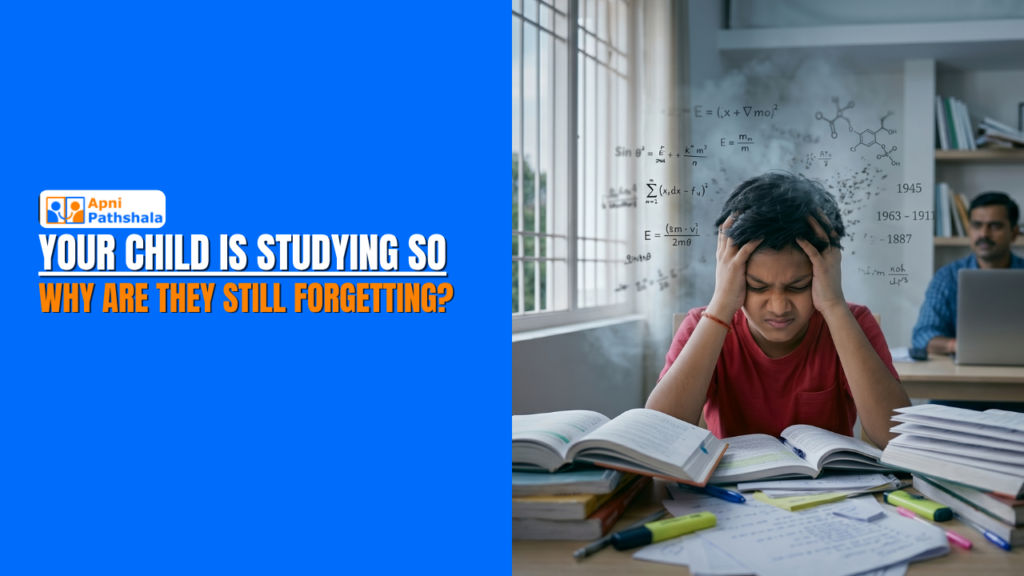
Nisha watches her daughter Priya study every evening. Priya sits with her books for two hours, reads her notes carefully, and even highlights important lines. But when the exam comes, she struggles to recall what she spent weeks learning. Nisha is frustrated and confused. Her daughter is working hard, so why are the results not showing? This is one of the most common complaints Indian parents share. Understanding why students forget what they study is the first step toward fixing it, and the answer has less to do with effort and more with method.
Why Do Children Forget What They Study?
Forgetting is not a sign of low intelligence. It is how the human brain naturally works. The brain first stores information in short-term memory. Only information that is revisited, applied, or connected to something meaningful gets transferred to long-term memory. If a child reads a chapter once and never engages with it again, the brain treats it as temporary and discards it within days.
This is the core reason why children forget what they study: they are learning passively, not actively. Reading a textbook is passive. Copying notes is passive. Highlighting lines is passive. The brain barely registers these activities as important enough to store long-term.
According to WHO’s guidelines on children’s cognitive health, active engagement, practice, repetition, discussion, and problem-solving are significantly more effective for memory formation than passive reading or listening. The brain remembers what it does far better than what it merely sees.
How to Improve Memory and Retention in Students
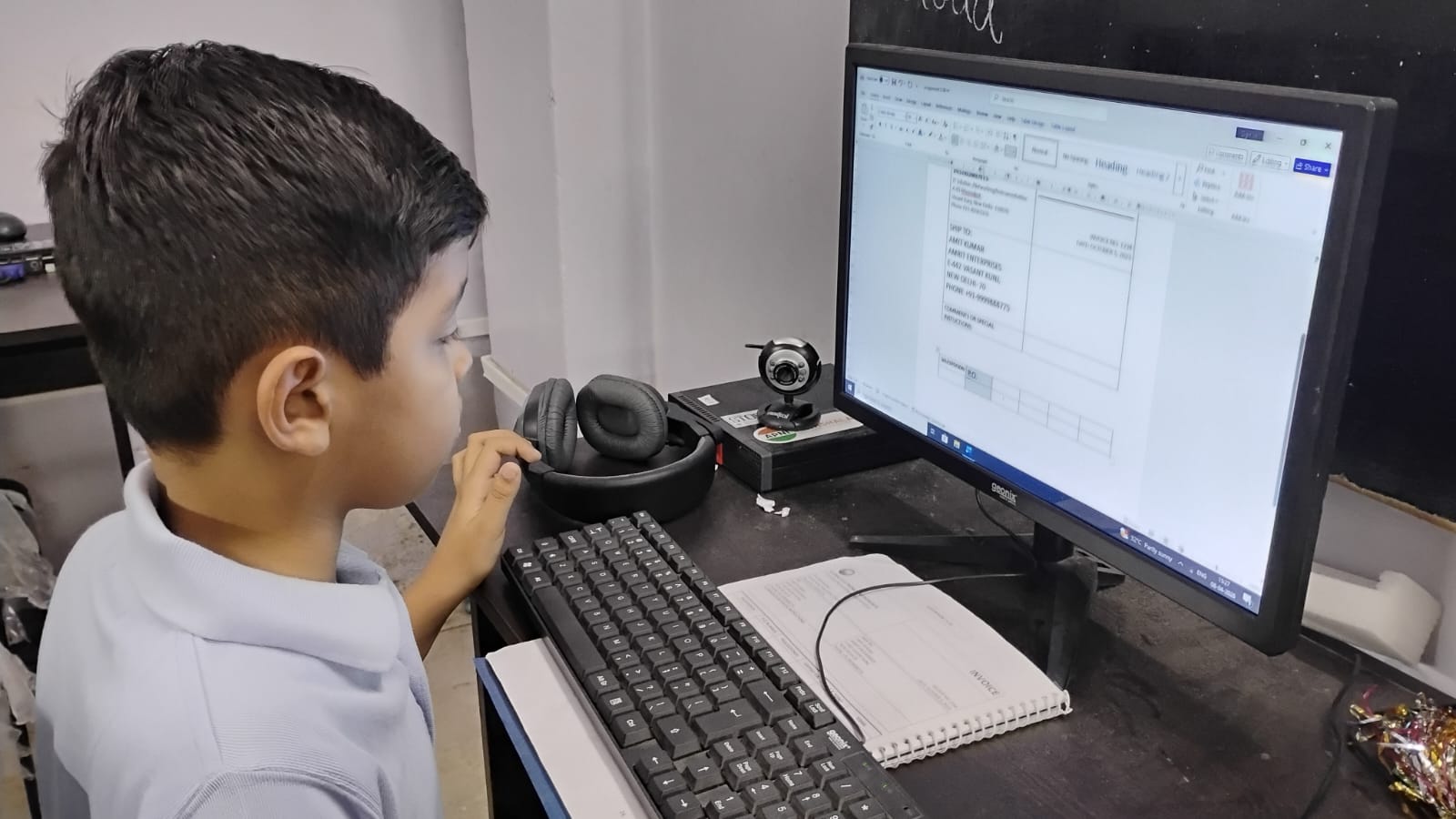
The good news is that memory is trainable. It is not a fixed trait; it is a skill that improves with the right techniques and consistent practice. Here are proven approaches that directly address how to improve memory in students without expensive coaching or special programmes:
- Active recall over passive reading: Instead of re-reading a chapter, the student should close the book and try to write or say everything they remember. This forces the brain to retrieve information from memory, and each retrieval strengthens the neural pathway, making it easier to recall next time. This single technique is more effective than reading the same chapter five times.
- Spaced repetition: Reviewing material once is not enough. The most effective approach is to revisit it at increasing intervals, after one day, after three days, after a week, after two weeks. Each review reinforces the memory. This is one of the most powerful study retention techniques for kids backed by cognitive science research worldwide.
- Teach it back: Ask your child to explain a concept to you in their own words, as if you are a student and they are the teacher. If they can explain it simply and clearly, they truly understand it. If they stumble or rely on jargon, the understanding is surface-level and will fade quickly.
- Use visual and digital tools: Mind maps, flashcards, diagrams, and interactive quizzes engage different parts of the brain than text alone. When a child creates a mind map of a history chapter or completes a digital quiz on science concepts, they are processing information in multiple ways simultaneously, which dramatically improves retention.
- Connect learning to real life: Abstract information is the fastest to forget. When a child can connect a concept to something real, using maths to calculate cricket statistics, understanding science through a kitchen experiment, relating history to a family story, the memory becomes personal and permanent.
- Protect sleep and rest: Memory consolidation, the process of transferring information from short-term to long-term memory, happens primarily during sleep. A child who studies for hours but sleeps poorly will retain far less than a child who studies for less time but gets adequate rest. Eight hours of sleep is not a luxury for a student. It is a biological requirement for learning.
Learn how Apna PC’s interactive tools and digital quizzes support active learning on our What Is Apna PC page.
How Technology Helps Students Remember More
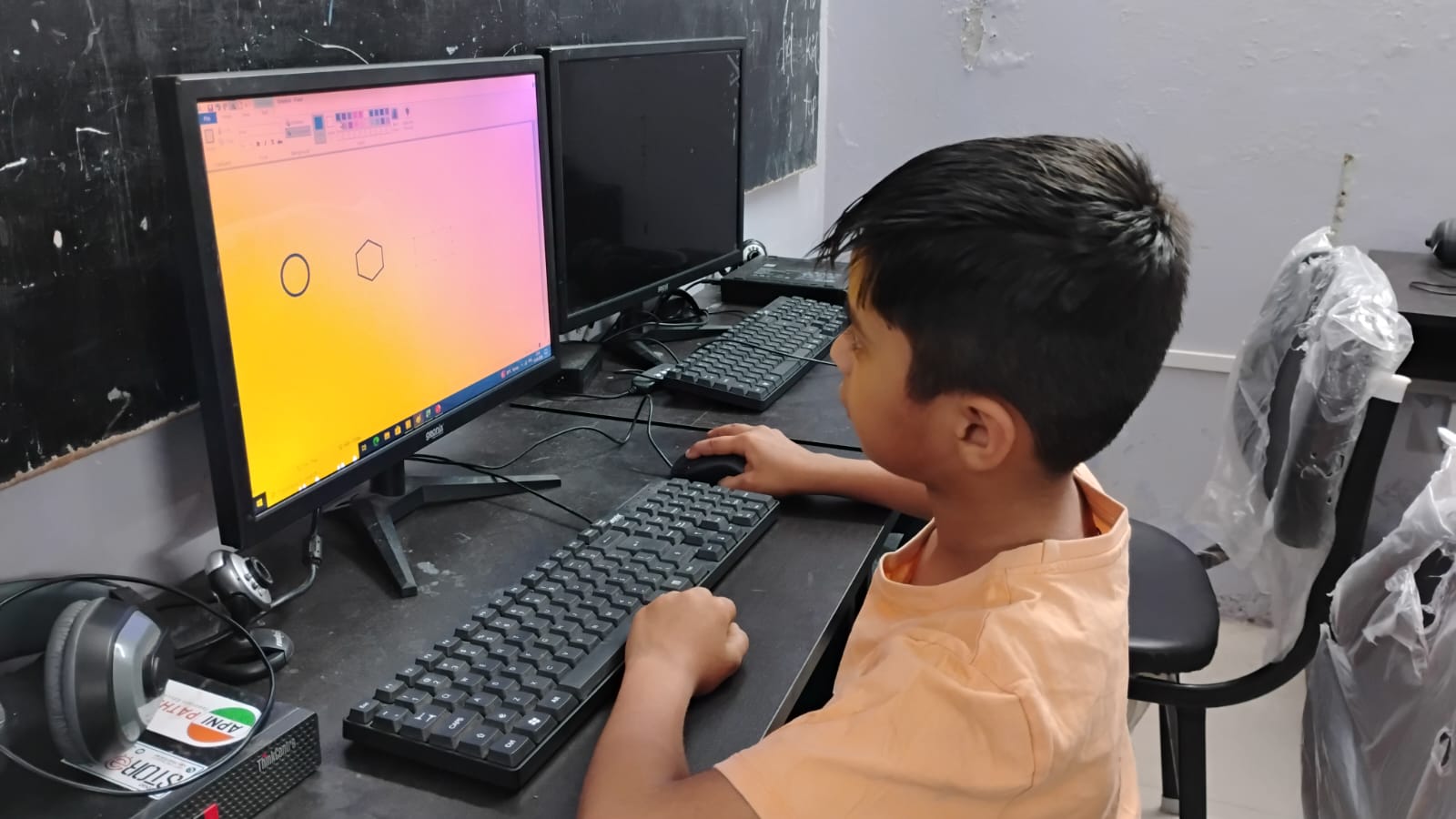
One of the most underused benefits of educational technology is its ability to make revision and recall automatic and engaging. A student who uses a computer for learning can practise study retention techniques far more effectively than one who relies only on textbooks.
Digital quizzes give instant feedback, correcting misunderstandings before they harden into false memories. Interactive simulations let children experiment with concepts in a hands-on way that textbooks cannot replicate. Educational apps with built-in spaced repetition remind students exactly when to revisit a topic for maximum retention. And typed notes, organised folders, and searchable documents make revision faster and more structured than flipping through handwritten notebooks.
The Central Board of Secondary Education (CBSE) has been encouraging the use of technology-integrated learning in Indian classrooms, recognising that digital tools, when used correctly, support deeper understanding and better long-term retention than traditional methods alone.
Apna PC is designed to be a student’s daily learning companion, preloaded with tools that support active learning, at Rs. 21,000 (shipping and GST excluded). A child who uses it daily for practice, revision, and exploration is building not just knowledge, but the habit of retaining it. Read more about why having the right device at home changes how children learn on our The Hidden Cost of Not Having a Computer in 2026 page.
Your child is not forgetting because they are not smart enough. They are forgetting because the method does not match how the brain actually learns. Change the method, and watch the results change with it. Visit apnapc.com to learn more.