


Ravi’s Morning Struggle: Why Your Child Needs the Right Study Routine
Ravi sits at his desk in Indore at 6 AM, staring at his math textbook. His mother, Priya, makes chai and sets it beside him, hoping the early morning will help him focus. But by 6:45 AM, Ravi’s eyes are heavy, his mind foggy, and he’s read the same problem three times without understanding it. By noon, when his energy peaks, there’s no time to study because school hasn’t ended. Priya feels frustrated. She knows her son is smart, but something about their study routine isn’t working. Sound familiar? Your child’s energy levels change throughout the day, and forcing study time against their natural rhythm wastes precious hours and damages their confidence.
Building a study routine that fits your energy levels isn’t about waking up earlier or studying longer. It’s about understanding when your mind works best and fiercely protecting that time. Let’s explore how you can create a plan that actually works for your family.
Understanding Your Energy Peaks and Valleys
Every person has natural energy cycles. Some children are morning people, while others hit their stride in the afternoon. Your job is to identify when your child’s brain is sharpest. Watch for the times when they ask fewer questions, need fewer breaks, and actually remember what they read.
Energy isn’t just about being awake. It’s about mental clarity, focus, and the ability to solve problems. A child studying at 6 AM might be physically present but mentally absent. The same child at 3 PM, after school and a light snack, might absorb information in half the time.
Start tracking your child’s behaviour for one week. Note when they seem alert, when they get frustrated easily, and when they ask to take breaks. This simple observation will reveal your child’s energy pattern. Don’t fight their natural rhythm. Work with it.
Creating Your Personalised Study Routine
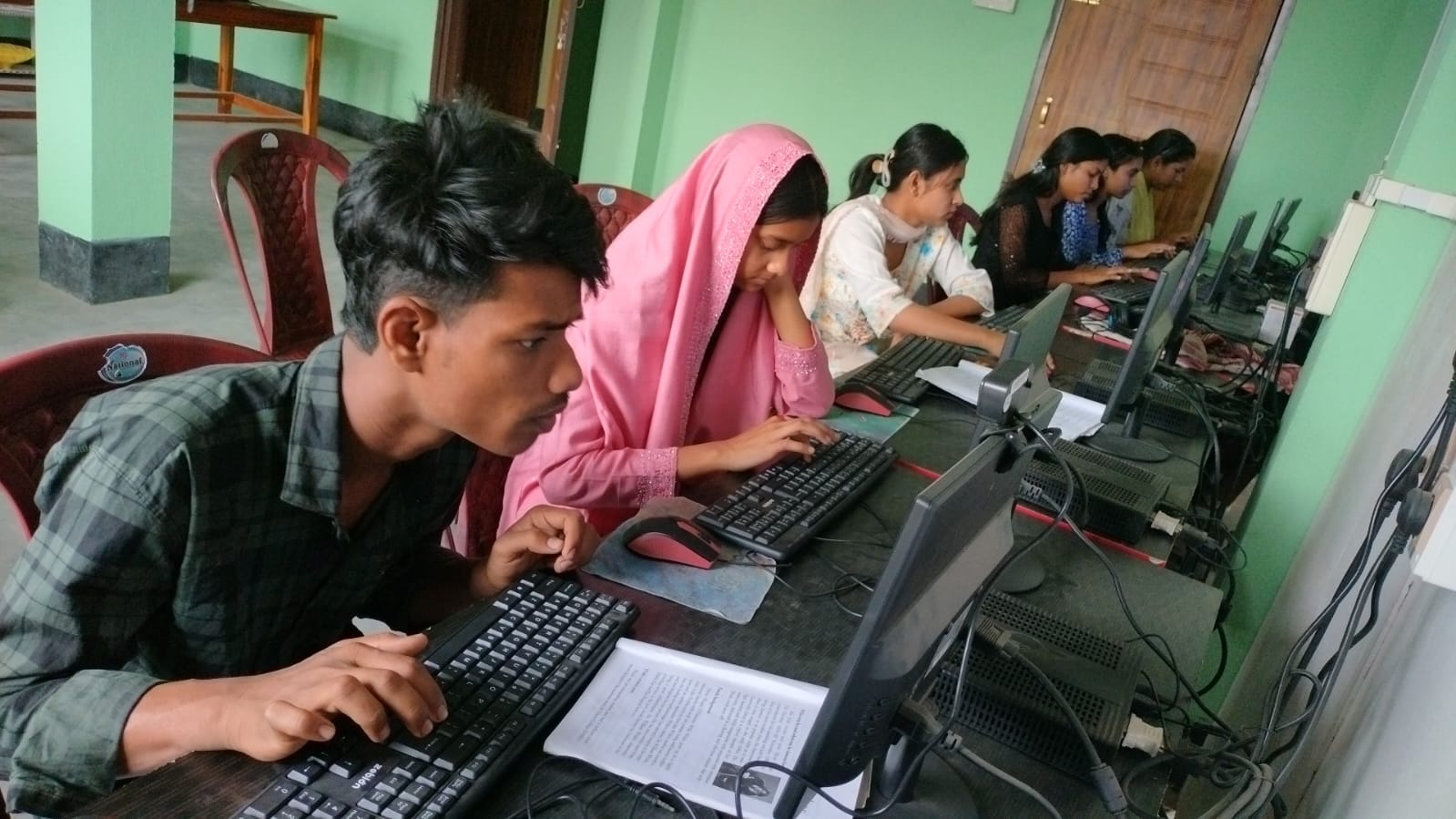
Once you know your child’s peak energy time, protect it. This is sacred study time. Not homework time. Not revision time. This is when they tackle the hardest subjects, learn new concepts, and challenge themselves.
For example, if your child’s energy peaks between 4 PM and 6 PM, schedule difficult subjects like mathematics or science during this window. Save easier tasks like reading, copying notes, or organising materials for lower-energy times. This simple shift can improve understanding and reduce total hours spent studying.
Your daily plan should include:
- Peak energy time: Most challenging subjects and new concepts
- Medium energy time: Practice problems, revision, and consolidation
- Low energy time: Light reading, organisation, or creative tasks like projects
- Break time: Movement, water, and rest between study blocks
A good plan isn’t rigid. It’s flexible enough to adapt to school schedules, extracurricular activities, and unexpected changes. But it has enough structure to prevent procrastination.
The Role of Your Study Environment
Your study space matters more than you think. A child studying on their parent’s bed, surrounded by distractions, will struggle, no matter how high their energy level is. Your learning habits need a dedicated space to thrive.
The space should have:
- A proper desk and chair (not too high, not too low)
- Good lighting, preferably natural light during day hours
- No television, phone, or gaming console in sight
- All study materials within arm’s reach
- A computer with educational software for interactive learning
A computer like Apna PC, designed specifically for students, can transform how your child learns. With pre-loaded educational tools, LibreOffice for projects, and Scratch for coding, your child has everything needed in one reliable device. The 8GB RAM and 128GB SSD ensure smooth performance, and Apni Prerna helps you monitor progress without hovering.
Building Consistency Without Burnout
Consistency is the real secret to academic success. Your child doesn’t need to study for 4 hours straight. They need to study for 1-2 focused hours, every single day, at the right time.
Here’s a realistic daily structure for most students:
- Peak energy time: 60 minutes of focused study (new concepts and challenging subjects)
- Medium energy time: 30 minutes of practice and revision
- Low energy time: 20-30 minutes of light tasks or reading
Include proper study breaks improve focus between blocks. A 5-minute break every 25-30 minutes prevents mental fatigue and actually improves retention. During breaks, your child should move, drink water, or look away from screens.
Don’t compare your child’s routine to others. Your neighbour’s son might study at 5 AM, but that doesn’t mean your daughter should. Every child is different. Time management should match your child’s biology, not someone else’s schedule.
When to Adjust Your Approach
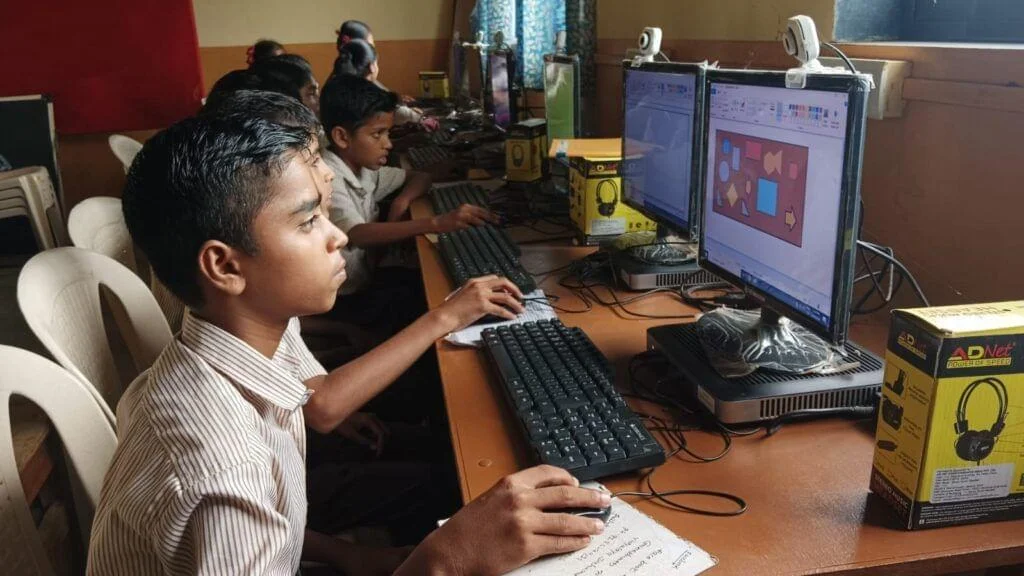
Life happens. Exams approach. Seasons change. Your study routine isn’t permanent. Review it every month and adjust based on what’s working and what isn’t.
If your child is struggling with a particular subject, you might shift more peak-energy time to that subject. If they’re feeling burned out, you might reduce total study time and focus on quality over quantity. If they’re performing well, you might gradually introduce more challenging material.
Check your child’s study patterns in the morning or at night regularly. What worked in Class 5 might not work in Class 7. Growth requires adjustment.
Tools That Support Productivity
Technology can support your child’s learning, not replace it. Educational software, apps, and devices help your child learn faster and retain more. But only if they’re used during peak energy times, in a distraction-free environment.
A study routine works best with reliable tools. Apna PC comes pre-loaded with everything your child needs: educational software, coding tools, and monitoring features that help parents stay informed without being intrusive. The device is built for learning, not gaming or social media.
According to the Ministry of Education, structured learning habits with the right tools can improve academic performance by up to 40%. Your investment in the right environment pays off in grades, confidence, and love for learning.
Your Next Step
Start this week. Observe your child’s energy patterns for 5-7 days. Note when they’re most alert, most frustrated, and most engaged. Then build a study routine around these natural peaks. Add a dedicated study space with proper furniture and lighting. Include a reliable computer for interactive learning and project work. Consistency with the right approach beats intensity without it, every single time.
Your child’s academic success depends on matching their study routine to their energy levels, not forcing them into a schedule that doesn’t fit. Visit apnapc.com to learn more.