


Rajesh’s Daughter Lost 45 Minutes Without Realising It
Rajesh sits in his small flat in Indore, watching his 14-year-old daughter Priya study at the kitchen table. Her phone buzzes. Then again. And again. Within the first 10 minutes, she’s checked it seven times. Priya thinks she’s studying for her math test, but her Study Focus has completely shattered. Her parents don’t realise that notifications aren’t just distracting; they’re stealing her future grades.
The Real Math Behind Lost Study Focus
Here’s what that means for your investment: If you spend Rs.50,000 on tuition fees yearly, and your child loses 1 hour of Study Focus daily, they’re wasting Rs.20,833 worth of education every year. That’s not counting the cost of retakes, extra coaching, or the stress on your family when grades slip.
- Daily notification interruptions: 15-20 times
- Time lost per interruption: 3-5 minutes
- Total daily loss: 45-100 minutes
- Yearly educational waste: 243-540 hours
Why Your Child’s Brain Can’t Focus Anymore
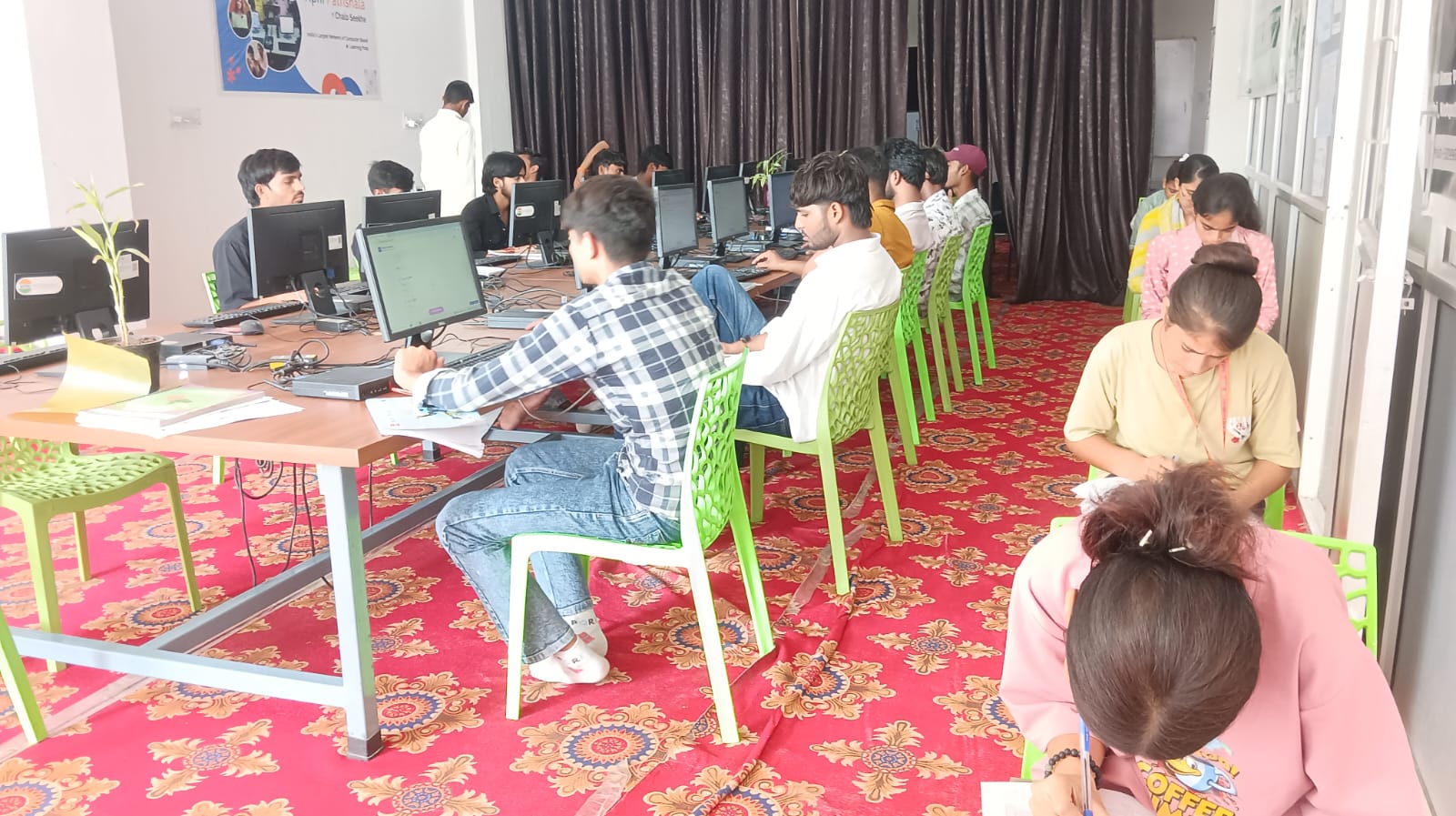
When your child tries to focus on a difficult math problem, their phone buzzes. Their attention shifts instantly. The brain has to restart the entire learning process from scratch. This isn’t weakness. This is neuroscience working against your child’s success.
The Hidden Costs Parents Don’t See
You’re already paying for tuition, books, and coaching classes. But you’re losing money on something you can’t see: wasted Study Focus. Beyond the immediate academic impact, constant digital distractions create a compounding problem. When a student loses focus every few minutes, they never enter the deep work state where real learning happens.
has shown that sustained attention periods of at least 25-30 minutes are needed for real learning. Each notification resets this timer. Over a school year, this adds up to dozens of lost hours.
The psychological toll is equally serious. Students develop anxiety around their own ability to concentrate. They begin to believe they have attention problems when, in reality, their environment is not optimised for focus. This learned helplessness spreads beyond academics. Parents notice their children struggle to read books, watch movies without phones, or have conversations without distraction. The device has trained their brain to expect constant stimulation.
What Parents Can Actually Do About Study Focus

The solution starts with creating an environment built for deep concentration. A dedicated study device, separate from entertainment and social media platforms, removes the primary source of distraction. This isn’t about punishment or control. It’s about design. Just as we wouldn’t try to study in a nightclub, we shouldn’t expect focus when a device has instant access to infinite entertainment.
Apna PC solves this problem with a purpose-built study device paired with Apni Prerna monitoring. The device eliminates distracting apps and websites, allowing students to focus entirely on their coursework. Parents can track study patterns and understand where their child struggles most. Teachers report noticeable improvements in assignment quality within weeks. The research on how multitasking hurts learning is detailed, and Apna PC removes that temptation entirely. Combined with proper study space setup, this creates the foundation for real academic growth.