


Rajesh’s Dilemma: When Study Hours Became a Competition
Rajesh sat in his Indore living room, watching his son Aditya solve math problems on their old laptop. His neighbour had just mentioned that her son studies for five hours every day. Rajesh felt a knot in his stomach. Aditya studied for two hours, sometimes three on weekends. Was that enough? The comparison started eating at him, and he began pushing Aditya to sit at the desk longer, even when the boy was clearly tired and distracted.
This story plays out in thousands of Indian homes every day. Parents measure their child’s progress by comparing study hours with other kids in the neighbourhood or school. But here’s the truth: study hours alone don’t tell you anything real about your child’s learning progress or productivity.
Why Study Hours Miss the Real Picture
When you focus only on study hours, you’re measuring time, not results. Your child could sit at a desk for five hours scrolling through irrelevant content, daydreaming, or simply staring at textbooks without absorbing anything. Meanwhile, another child might spend ninety minutes in focused, intentional learning and retain far more.
The problem gets worse when you push your child to match someone else’s schedule. Every child has a different learning pace, energy levels, and concentration span. What works for your neighbour’s kid won’t necessarily work for yours.
Real learning progress looks different for each child. It shows up in:
- Better understanding of concepts, not just memorised facts
- Ability to solve new problems without help
- Growing confidence in the subject matter
- Genuine curiosity and interest in learning
- Improved grades that reflect actual comprehension
None of these things correlates directly with hours spent at a desk. A child who studies for three focused hours often outperforms a child who sits for six distracted hours. The number on the clock tells you nothing about what actually went into your child’s mind.
The Hidden Cost of Comparing Learning Time
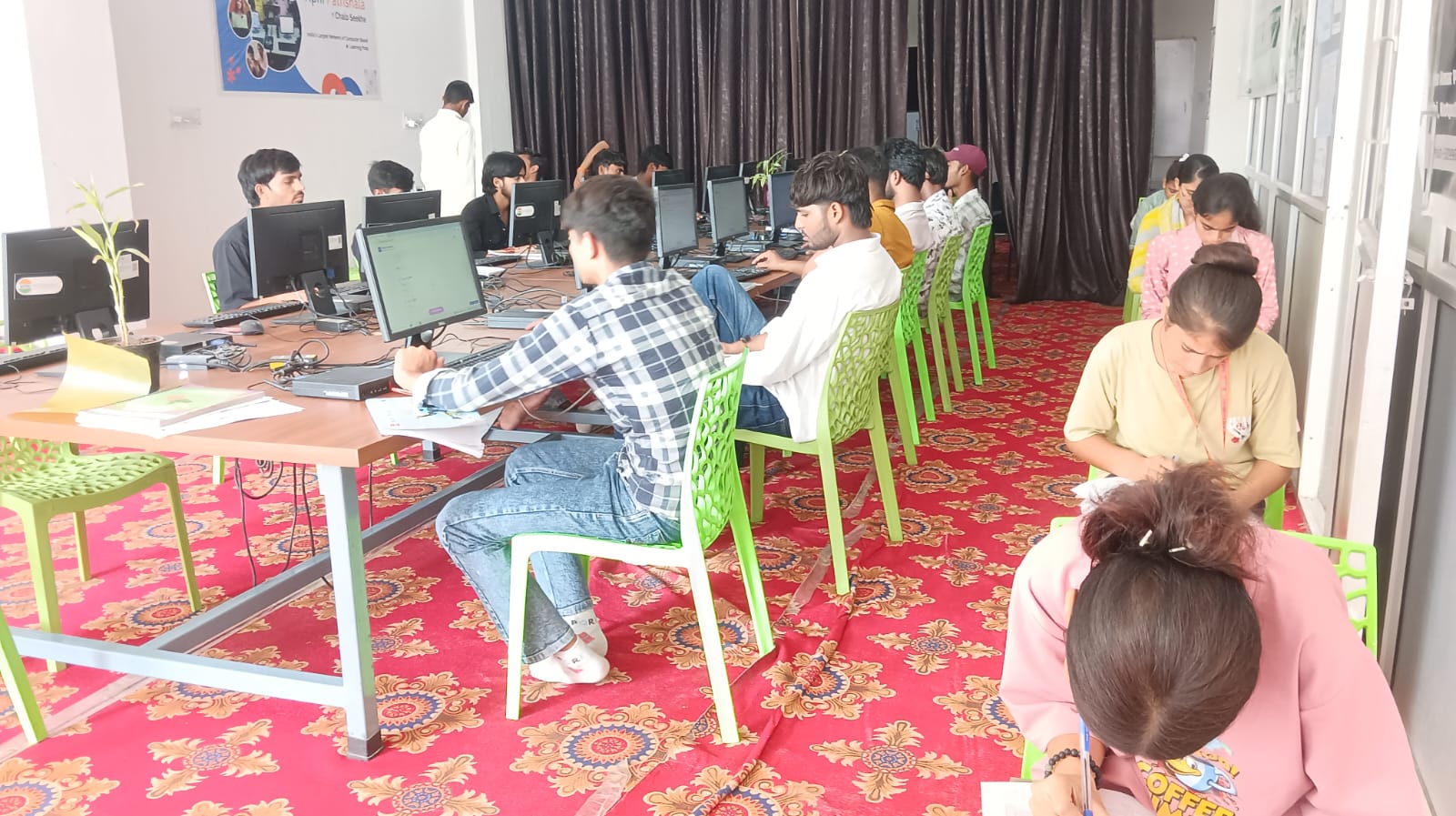
When you make study time a competition, you’re teaching your child the wrong lesson. You’re saying that effort and time matter more than understanding and growth. This creates stress, burnout, and a negative relationship with learning itself.
Your child starts studying to please you, not to learn. They become anxious about falling behind their classmates. They develop poor habits because they’re focused on the clock, not the content. Over time, this kills their natural curiosity and love for learning.
Comparison also ignores the reality of different subjects and learning styles. Your daughter might need two hours to master a math chapter but only thirty minutes to understand a history topic. That’s not laziness or lack of intelligence. That’s how learning actually works.
Think about your own experience. You probably remember topics that came easily and others that took weeks to grasp. Your child is no different. Pushing them to match someone else’s study schedule ignores these natural differences and creates unnecessary pressure at home.
What You Should Focus On Instead
Stop asking “How many hours did your child study today?” Start asking “What did your child learn today?” The shift is small but powerful.
Focus on the quality of your child’s study habits instead. Are they understanding the material? Can they explain it to you? Are they making progress on their assignments? Do they seem engaged or bored? These questions give you real insight into your child’s actual progress.
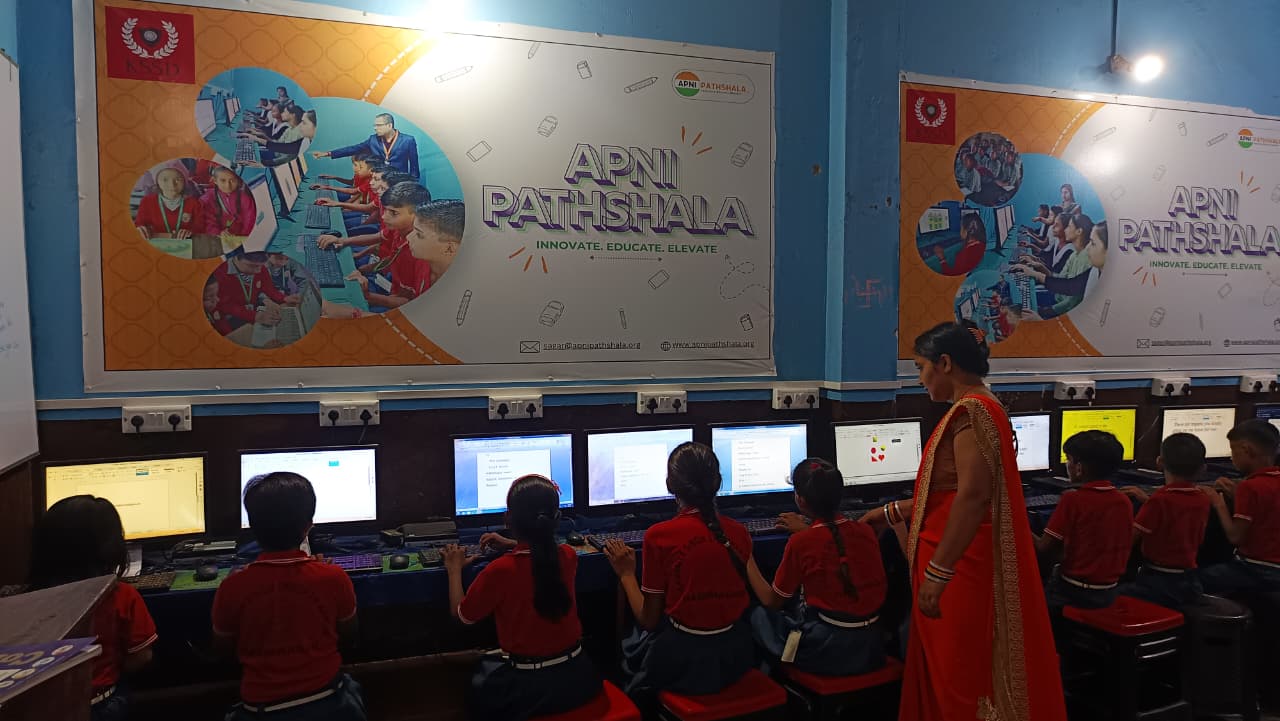
Look for signs of genuine learning. Your child asks questions about what they read. They connect new ideas to things they already know. They want to share what they learned at dinner. These are the markers of real progress, not the number of hours logged at a desk.
Encourage your child to set their own goals instead of chasing someone else’s timeline. Maybe they want to finish one chapter a day, or solve ten math problems before dinner. These small, personal goals build real discipline and give you something meaningful to track together.
A good study plan for the first month focuses on building consistent, quality study habits rather than counting minutes. Understanding your child’s study habits helps you support them better without the pressure of comparison.
If your child needs a focused environment to build better habits, consider a dedicated learning setup. Learning works best when the environment supports deep focus and minimal distraction. Platforms like DIKSHA digital learning platform show how structured digital tools can improve learning outcomes beyond just counting hours.
Every child learns differently. Your job as a parent is not to match someone else’s study schedule but to help your child find their own rhythm. When you stop comparing and start observing, you’ll see real growth. Apna PC is built to support exactly this kind of focused, distraction-free learning environment. Visit apnapc.com to learn more.