

Rajesh’s Dilemma: Finding the Right Child Computer
Rajesh sat in his small living room in Indore, watching his 8-year-old daughter Priya huddle over a shared laptop with her older brother. The screen flickered. The keyboard stuck. He’d borrowed it from his office, and it wasn’t meant for two kids learning simultaneously. “We need our own computer,” Priya said simply. Rajesh felt the weight of that request. He wasn’t tech-savvy, prices seemed astronomical, and he worried about screen time. But he also knew that quality education now meant access to digital tools. That’s when he discovered Apna PC, an educational computer designed specifically for Indian families like his. What he didn’t realise then was how this single decision would transform not just Priya’s learning, but grow alongside her for years to come.
Year One: Foundation and Discovery
In Priya’s first year with Apna PC, everything changed. The computer arrived pre-loaded with Zorin OS, a user-friendly operating system that felt intuitive even for parents who’d never owned a personal computer. Unlike complicated systems, Zorin OS made sense immediately. Priya could navigate it herself, and Rajesh could help without feeling lost.
The real magic came from what was already installed. Scratch, the visual programming tool, turned coding from an intimidating concept into something Priya could actually do. She created her first animation in week two. LibreOffice meant she could write assignments, create presentations, and learn office skills that schools expect today. And Apni Prerna, the student monitoring system, let Rajesh see what she was doing without constantly hovering over her shoulder.
- Year 1 Learning: Basic computer literacy, typing skills, introduction to coding through Scratch
- Pre-loaded Software: Everything a child needs without expensive add-ons
- Parental Peace: You know what your child is accessing and learning
Years Two and Three: Expanding Capabilities
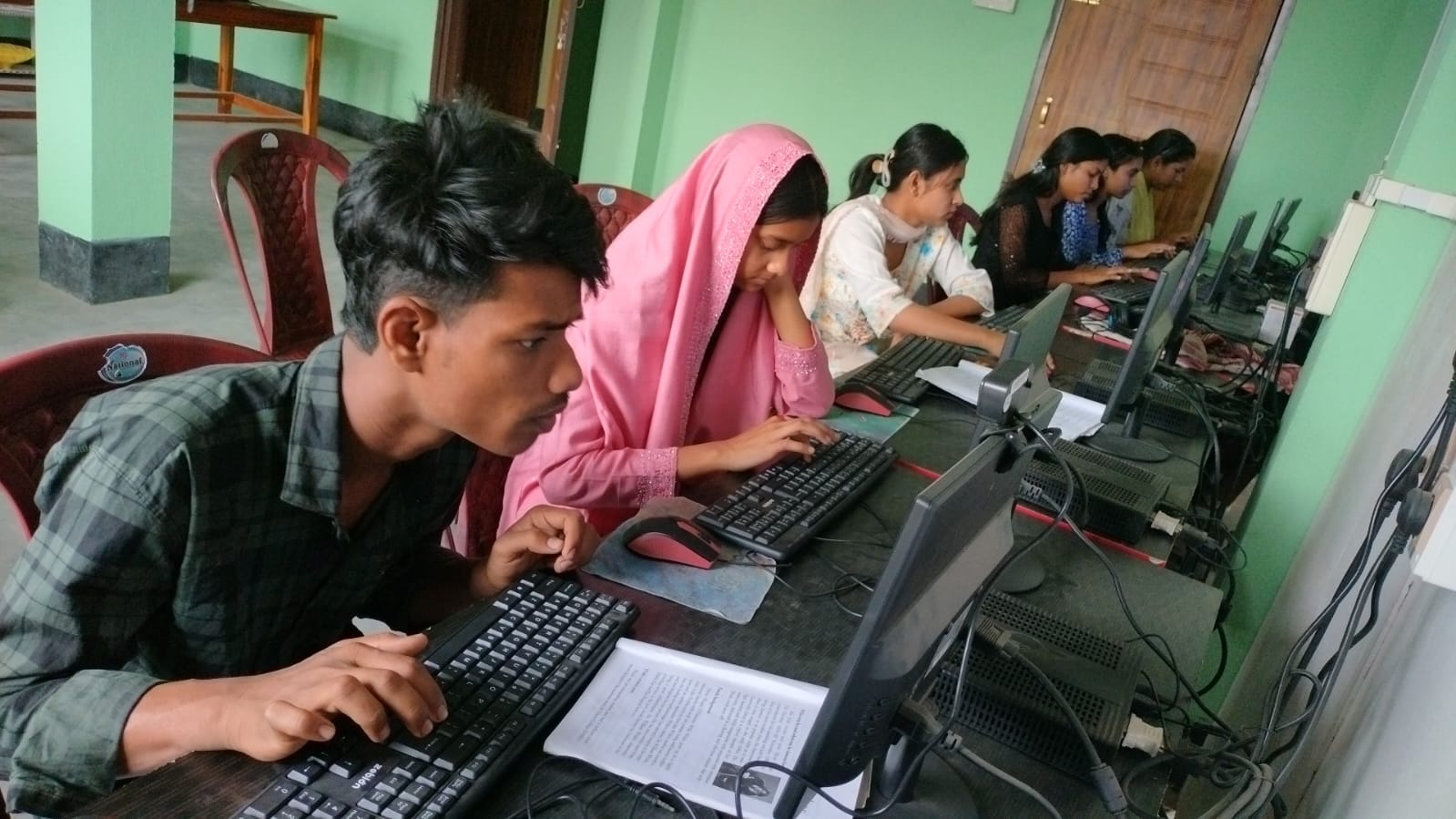
By year two, Priya had moved to class 4. Her needs evolved. She wasn’t just learning to type anymore. She needed to research topics independently, create multimedia presentations, and understand how technology actually works. Apna PC grew with her.
The 128GB SSD gave her space for project files, downloaded educational videos, and digital textbooks without constant deletion. The 8GB RAM meant she could run multiple applications simultaneously. When her school switched to online classes during lockdowns, Apna PC performed smoothly. No dropped video calls. No frozen screens during important lessons.
Rajesh noticed something unexpected. Priya started teaching herself. She’d watch YouTube tutorials on digital art, learn Python basics through free online courses, and create presentations that impressed her teachers. The computer wasn’t controlling her learning. It was enabling it.
The Board Exam Years: When It Really Matters
She used it to access online coaching materials, solve practice papers, create revision notes, and connect with study groups. The computer never crashed during a crucial study session. The battery life lasted through afternoon study hours. The keyboard and mouse, familiar after years of use, felt like extensions of her hands.
Why Apna PC Grows With Your Child
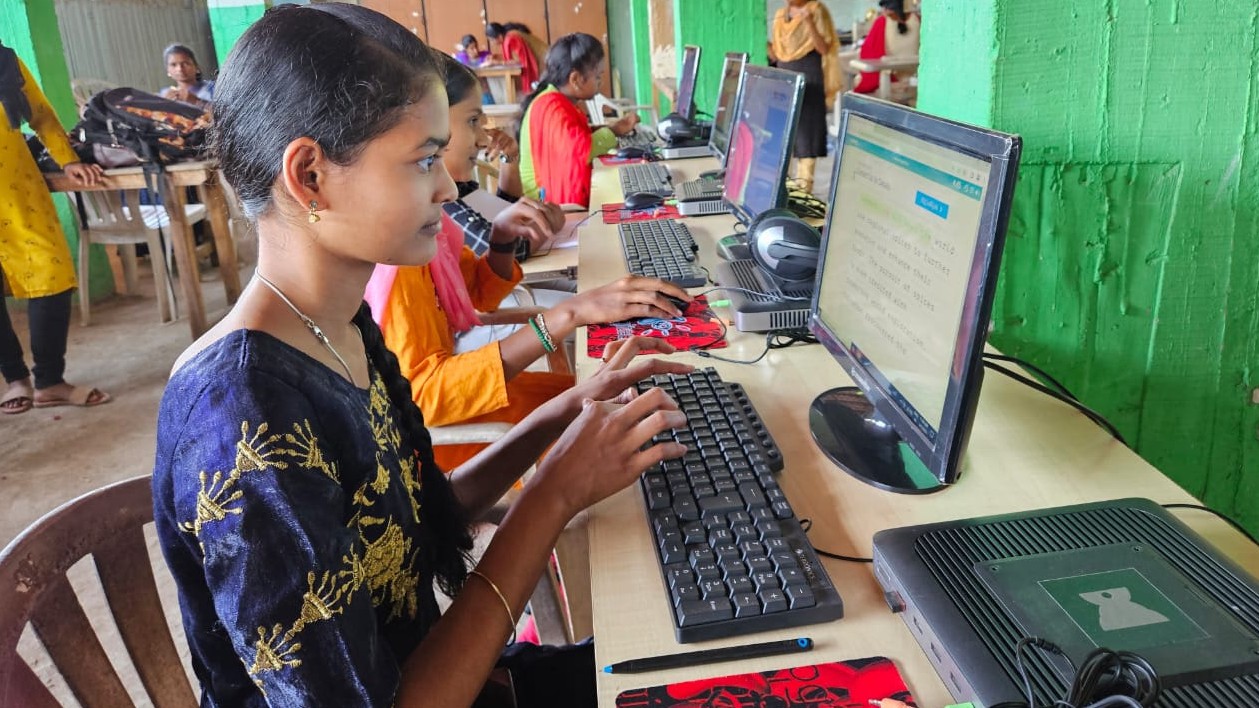
The secret isn’t in fancy specs or constant upgrades. It’s in thoughtful design. Apna PC comes with enough power (8GB RAM, 128GB SSD) to handle everything from primary school through college without feeling sluggish. The operating system is clean and focused, not cluttered with bloatware that slows things down.
The pre-loaded software covers the actual journey of a student. Scratch for coding curiosity. LibreOffice for productivity. Zorin OS for stability. These aren’t trendy tools that’ll be abandoned next year. They’re foundational software that grows more valuable as your child grows.
Unlike expensive gaming laptops that encourage distraction or basic tablets that limit learning possibilities, Apna PC sits in the sweet spot. It’s powerful enough for real work. It’s affordable enough that you’re not terrified of normal wear and tear. It’s educational by design, not by accident.
From Indore to Across India
Rajesh’s story isn’t unique. Families across Tier 2 and Tier 3 Indian cities are discovering that quality educational technology doesn’t require premium pricing or constant replacements. It requires thoughtfulness. It requires understanding what students actually need at each stage of their learning journey.