

The Night Before the Board Exam
It’s 11 PM in a small flat in Kanpur. Priya is sitting at her desk, going through her Physics notes one last time. Her Apna PC is open with a YouTube video paused on a diagram of electromagnetic induction. Next to it, she’s got a PDF of previous-year papers she downloaded last week.
Down the street, her classmate Rahul is doing the same thing. Except Rahul doesn’t have a computer. He’s flipping through a guide book his father bought from a roadside shop. The diagrams are tiny. The explanations are dense. When he doesn’t understand something, his only option is to read the same paragraph again and hope it clicks.
Both students are equally smart. Both studied all year. But Priya has something Rahul doesn’t: access.
And when the results come out, that difference shows.
What the Data Actually Says
Let’s move beyond stories and look at patterns. Across India, students with access to personal computers consistently perform better in board examinations. Not because the computer writes their answers for them, but because it changes how they prepare.
Students with computers can access video explanations of complex topics. When your textbook’s explanation of organic chemistry makes no sense, a 10 minute video can make it crystal clear. That’s not cheating. That’s smart studying.
They can practice with previous year question papers, something NCERT and various state boards make available online for free. But you need a device to download and use them effectively.
They can organize their notes digitally, create revision sheets, and build study schedules using simple tools. A student who plans their revision across 30 days will always outperform someone studying randomly.
The Self Study Advantage
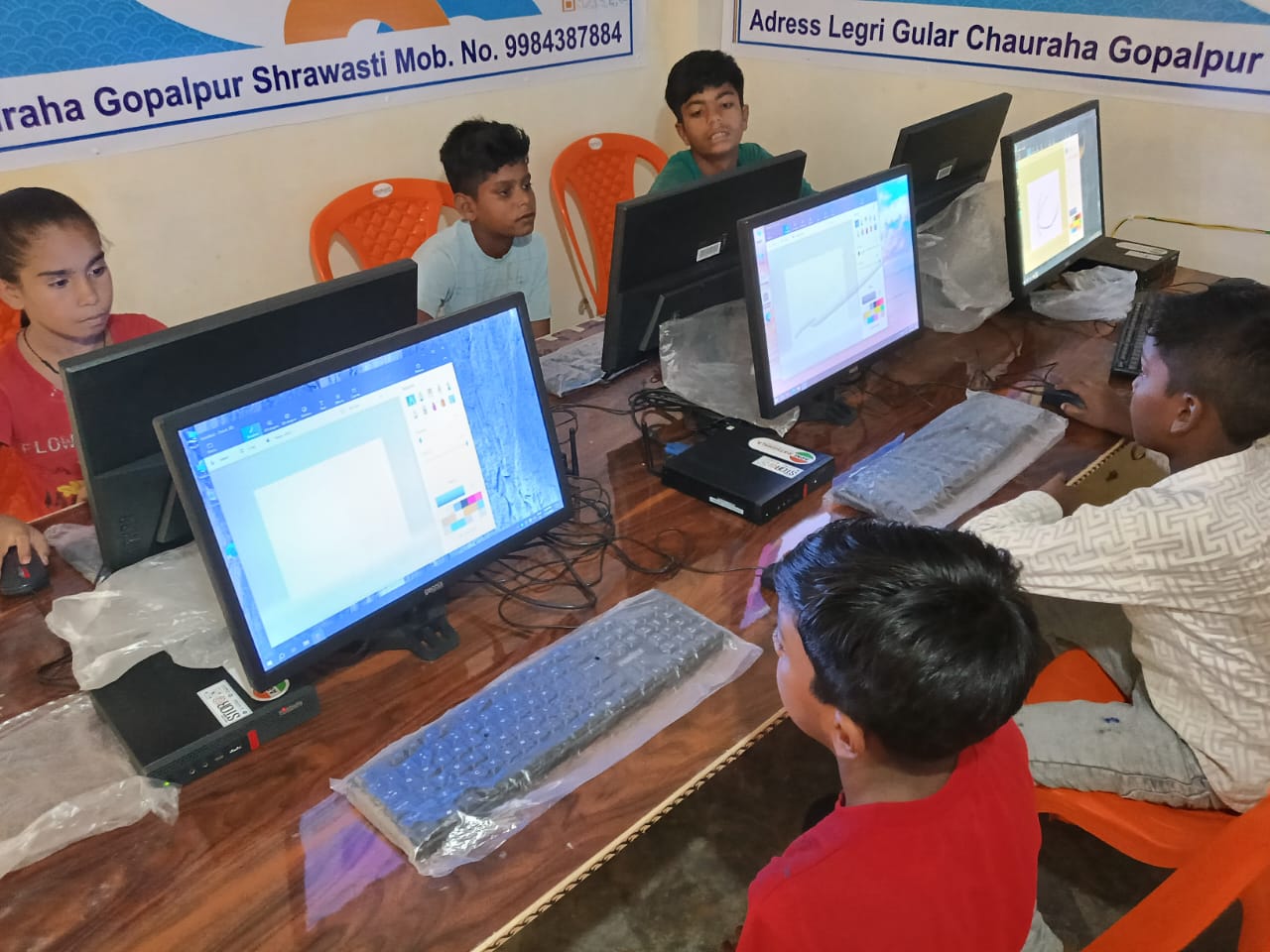
Here’s something that doesn’t show up in statistics but matters enormously. Students with computers develop the ability to learn on their own. They don’t depend entirely on tuition teachers or classroom explanations. When they’re stuck, they search for answers. When they need practice, they find resources.
This independence is a massive advantage during board exam preparation, where the syllabus is huge and classroom time is never enough. According to India’s Ministry of Education, self directed learning is one of the key goals of the National Education Policy, and computer access is one of the primary enablers.
The Subjects Where It Matters Most
Mathematics
Math is all about practice. Students with computers can access thousands of practice problems online, watch step by step solutions, and even use tools that help them visualize graphs and geometric shapes. A student practicing 50 problems a day on screen versus 10 from a textbook? The math speaks for itself.
Science
Diagrams, experiments, processes. Science is visual, and a computer screen brings these concepts alive in ways a printed page simply can’t. Animations showing how the heart pumps blood or how a chemical reaction occurs make understanding deeper and revision faster.
English
Reading comprehension improves when students read more. A computer opens up access to articles, stories, and writing exercises far beyond what’s in the textbook. Students who read widely score better in language papers. That’s not an opinion. That’s a pattern every English teacher in India will confirm.
It’s Not Just About the Top Scorers
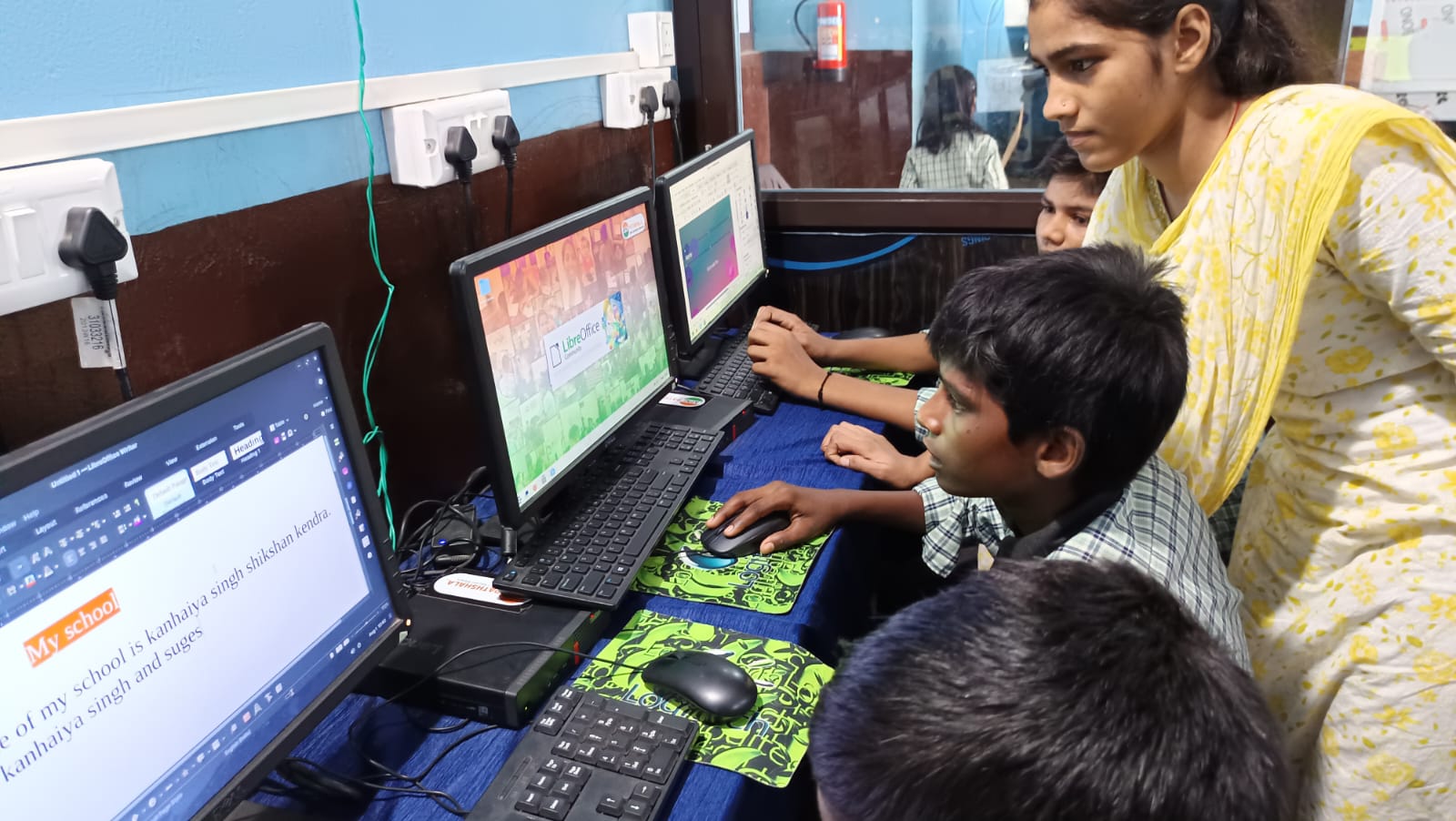
People often think computer access only helps bright students get brighter. That’s wrong. The biggest impact is on average students. The ones scoring in the 50 to 65 percent range who have the potential to hit 75 or 80 with the right resources.
These are the students who understand concepts in class but need extra practice. Who do well in subjects they like but struggle in others. Who would benefit enormously from a 15-minute video that explains what their teacher couldn’t get across in 40 minutes.
For these students, a computer isn’t a luxury. It’s the bridge between where they are and where they could be. Digital access and exam preparation go together more closely than most parents realize.
What Parents Can Do Right Now
If your child has board exams approaching, here’s a practical checklist:
Make sure they have access to a computer. Even a basic one will do. If budget is a concern, affordable options like Apna PC exist specifically for students.
Help them bookmark useful resources. NCERT solutions, previous year papers, video channels for their specific subjects. Create a folder on the desktop so everything is one click away.
Set a study schedule together. Use a simple spreadsheet or even a text document. Having a plan reduces anxiety and increases coverage.
Don’t ban the computer during exam time. This is a mistake many parents make. They think removing the computer removes distractions. But for a student who uses it for study, you’re actually removing their best tool.
The connection between computer access and board exam results isn’t complicated. More resources, better preparation, higher confidence, better scores. It’s that straightforward.