

A computer helps students improve general knowledge by giving them easy, focused access to reliable articles, news, educational videos and note-taking tools. With a short daily habit of reading and organising what they learn, children build GK, current affairs awareness and critical thinking at home without expensive coaching.
For example, a bright middle-school child may fumble simple questions about state capitals or national leaders, not from lack of ability, but because they have no easy way to explore these topics regularly.
Why does general knowledge matter for your child?
General knowledge shapes how a child thinks, reads the news and understands the world. It is far more than trivia for quiz competitions.
Children with wider general knowledge tend to take part more confidently in class discussions and group projects. They ask better questions and connect ideas across subjects such as social studies and English, skills that school exams and later competitive tests reward.
Building GK needs steady access to good information and a calm place to learn. Many families find books costly and phones too distracting, which is where an educational computer helps.
How does a computer become a general knowledge partner?
A dedicated computer works as a daily learning partner with a larger screen, better performance and tools built for study.
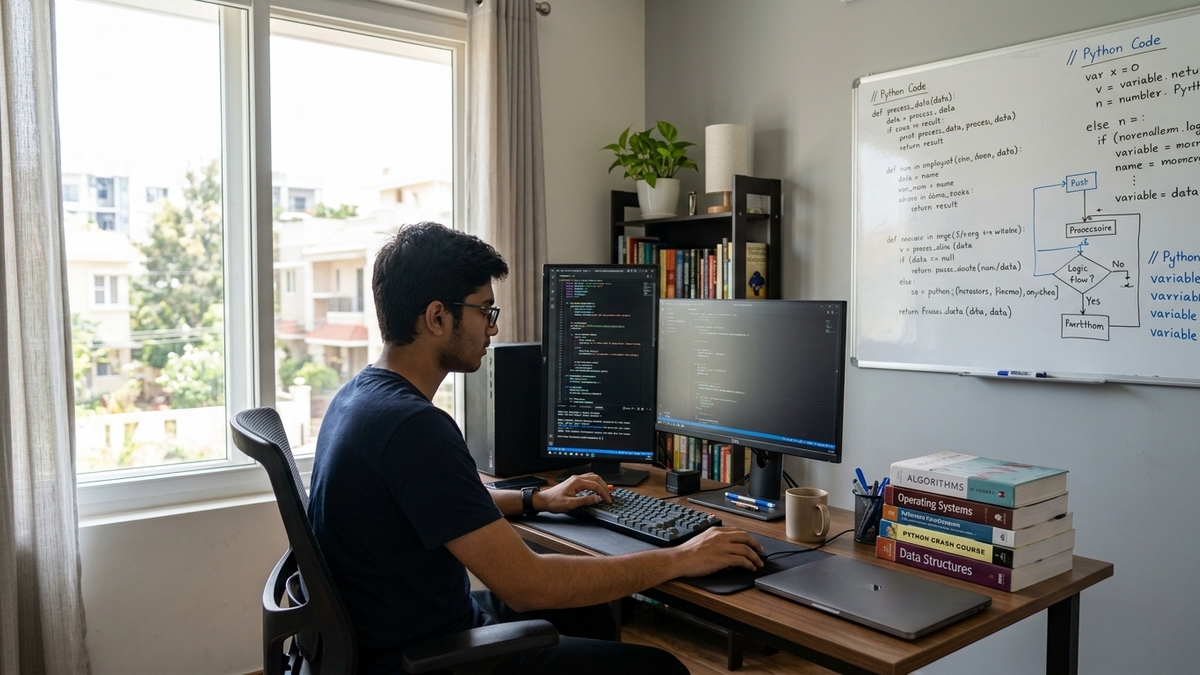
Here is what your child can do on it:
- Access resources easily: Wikipedia, educational websites and student learning resources load clearly on a proper screen.
- Read without distractions: no social media pings or games, just history, geography, science and current events.
- Watch educational videos: documentaries and educational platforms explain complex topics visually.
- Take and organise notes: LibreOffice lets children make notes, timelines and fact sheets for revision.
- Practise problem-solving: quizzes and coding tools like Scratch build critical thinking.
A child who spends a short time each day reading about history and geography, then writing their own notes on state capitals and key dates, steadily builds knowledge. Our post on how a computer can turn curiosity into learning has more ideas.
What does Apna PC offer for this?
Apna PC is an educational computer made for Indian students and priced at Rs. 30,000 (excluding shipping and GST). It comes ready with the tools needed for GK practice.
It includes Zorin OS, Apni Prerna so you can follow your child’s learning, LibreOffice for notes and projects, and Scratch for coding and logical thinking. With 8GB of RAM and a 128GB SSD, websites and apps open quickly, so your child spends more time learning and less time waiting.
It is built by Apni Pathshala, an organisation focused on education. There is no bloatware and there are no games, just a clean learning environment.
How can your child build current affairs knowledge at home?
Current affairs change daily, so regular reading matters most. A computer lets your child read and watch the news with context, away from noisy social media feeds.
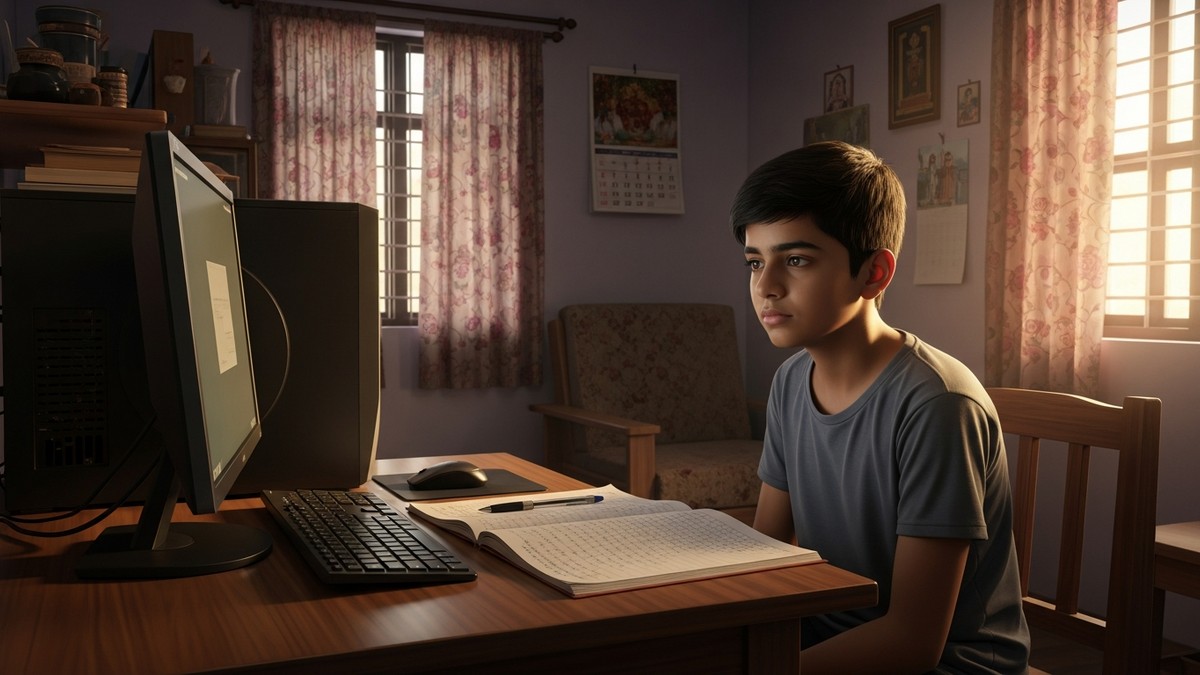
With a computer, your child can:
- Read news articles about Indian and world events.
- Understand political, economic and social developments.
- Build vocabulary and analytical thinking through reading.
- Prepare for GK sections in school exams and competitive tests.
A phone’s small screen, constant notifications and addictive apps make this much harder.
Which digital skills does your child gain along the way?
While building GK, children also develop digital skills beyond mobile use, such as typing, file management and productivity software.
When your child uses LibreOffice to make study materials or Scratch to build small projects, they become creators rather than only consumers. That builds confidence and independence.
What should parents in Tier 2 and Tier 3 cities know?
You do not need costly coaching or multiple subscriptions. A good computer and a consistent daily habit can do the job, and the computer is a one-time cost that serves your child for years.
If you worry about screen time, focus on purpose. 30 to 45 minutes of focused learning on a computer is very different from hours of aimless phone scrolling. Apni Prerna helps you stay involved. The India Ministry of Education website is a useful place to follow national work on digital learning.
Frequently Asked Questions
How can I make GK practice fun for my child?
Turn it into small games and projects. Let your child make quizzes for the family, build fact sheets on favourite topics or watch a short documentary and explain it at dinner. When children create and share what they learn, general knowledge feels like discovery rather than memorising.
Is reading news online safe for children?
It can be, with some guidance. Choose a few trusted news websites together, avoid social media feeds and discuss upsetting stories openly. A monitoring tool like Apni Prerna also lets you see what your child is reading, so you can step in when needed.
Do children need coaching classes to improve general knowledge?
Usually not. Steady daily reading, educational videos and simple note-taking at home build general knowledge well. Coaching may help for specific competitive exams later, but a curious child with a good computer and a regular habit can make strong progress on their own.
Your child’s future depends on the tools and habits you build today. Visit Apna PC to learn more.