Rajesh’s Daughter Finally Understands What Her Teacher Meant
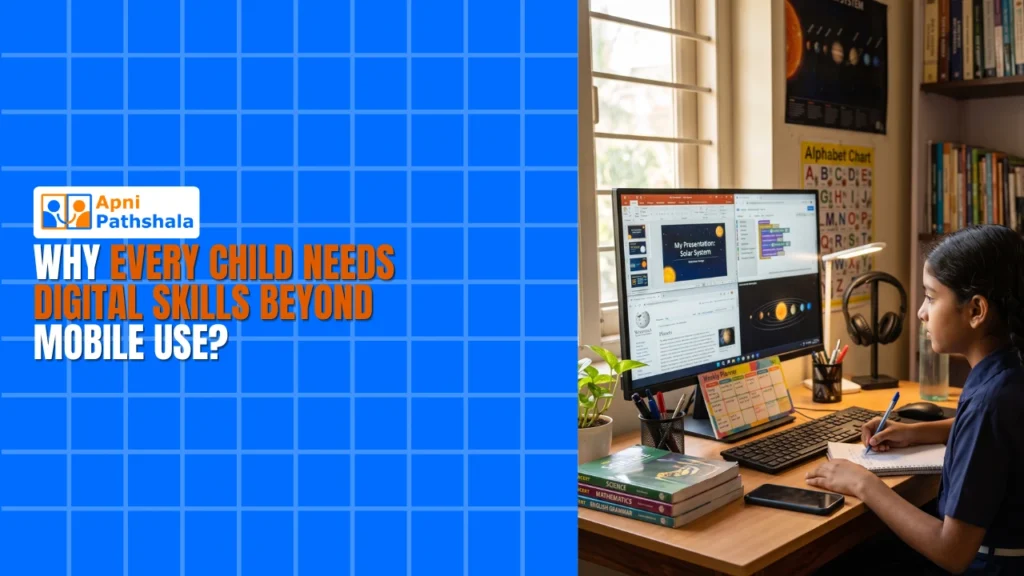
Last month, Rajesh from Indore sat beside his 10-year-old daughter Priya as she stared at her tablet screen. Her online class was teaching spreadsheets, but Priya kept asking, “Papa, where do I click?” Rajesh couldn’t answer. He’d never used a computer properly himself. That evening, he realised his daughter needed digital skills for kids that went far beyond swiping and tapping. She needed real computer skills to understand how technology actually works.
This story plays out in thousands of homes across tier-2 and tier-3 cities in India. Your child might be facing the same gap right now. Mobile phones have made technology feel accessible, but they’ve also created a false sense of digital literacy. Your son or daughter can scroll Instagram, but can they use a spreadsheet? Can they create a document? Can they code? These aren’t fancy extras anymore. They’re essential digital skills for kids in 2024.
Why Mobile Screens Aren’t Enough for Your Child’s Future?
Your child’s school curriculum is changing. Every subject now expects basic computer knowledge. Math teachers assign spreadsheet projects. Science classes require presentations in LibreOffice. History teachers want research done on proper browsers, not just YouTube searches. But here’s the problem: your child has never sat at a real computer.
Mobile devices train your child’s fingers, not their thinking. When you tap a screen, you’re using one app at a time. When you sit at a computer, you’re learning to manage multiple windows, organise files, and understand how operating systems work. This is the difference between being a consumer and becoming a creator.
Studies from UNESCO global education research show that children who learn computer skills early develop stronger problem-solving abilities. They understand logic better. They can follow complex instructions. These aren’t just tech skills. They’re life skills.
File Management: Your child learns to organise documents, folders, and projects, rather than losing everything in a phone’s cluttered downloads folder.
Real Typing: Keyboard skills are faster and more precise than mobile typing. Your child’s school assignments will be completed quicker and better formatted.
Coding and Logic: Programming languages like Scratch teach your child how computers actually think, not just how to use them.
Office Skills: LibreOffice, spreadsheets, and presentations are tools your child will use in college and career. Learning them now gives your child a massive head start.
Digital Citizenship: A proper computer teaches your child about cybersecurity, safe browsing, and responsible technology use in ways a mobile can’t.
Your child’s future employers won’t care how well they can use TikTok. They’ll care about these computer skills.
The Real Cost of Waiting
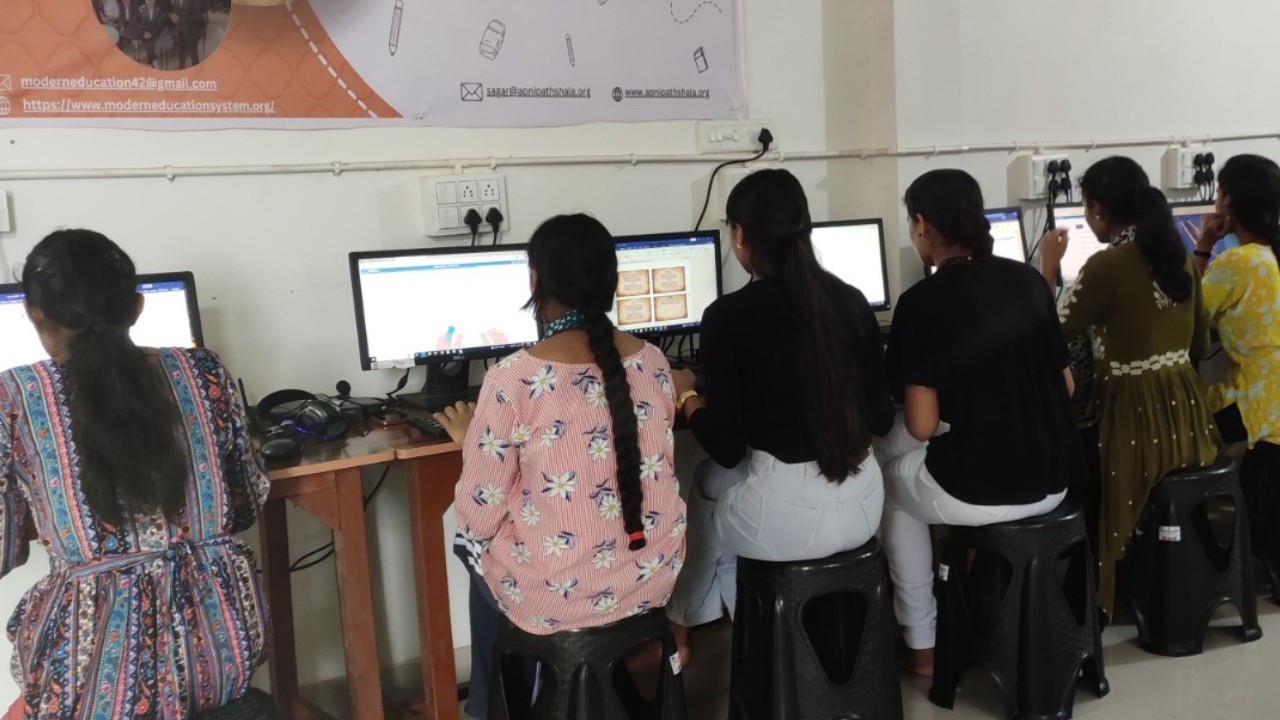
Every month you delay, your child falls further behind. In tier-2 and tier-3 cities, access to computers remains limited. Government schools often don’t have enough devices. Private schools assume students have computers at home. Your child is stuck in the middle.
When your child finally gets access to a computer in college, they’ll be learning alongside classmates who’ve been using computers since age 6. They’ll struggle with basics. They’ll feel embarrassed asking questions about keyboard shortcuts. They’ll waste time catching up instead of learning advanced skills.
The cost isn’t just academic. It’s emotional and financial. Your child’s confidence takes a hit. Your child’s career options narrow. And you end up paying for expensive coaching classes to teach computer basics that should have been learned at home.
Why Your Child Needs a Dedicated Learning Computer?
You might think: “Can’t my child learn on my work laptop?” The answer is no. Your work laptop is for your work. Your child needs a space where they can explore, make mistakes, and learn without fear of breaking something important. Your child needs an environment designed for learning, not working.
This is where Apna PC comes in. It’s specifically built for students like your child. At Rs. 21,000 (excluding shipping and GST), it’s affordable for tier-2 and tier-3 Indian families. It comes pre-loaded with everything your child needs: Zorin OS (a beginner-friendly operating system), LibreOffice (for documents and spreadsheets), Scratch (for coding), and Apni Prerna (so you can monitor your child’s learning progress).
Your child isn’t getting a gaming machine or a distraction device. Your child is getting a focused learning tool. The 8GB RAM and 128GB SSD are powerful enough for all school projects, coding practice, and digital learning platforms like DIKSHA digital learning platform.
Rajesh made a decision after that evening with Priya. He bought her a proper computer. Within three months, Priya was helping her father understand spreadsheets. Within six months, she’d built her first game in Scratch. She wasn’t just using technology. She was understanding it. She was creating with it.
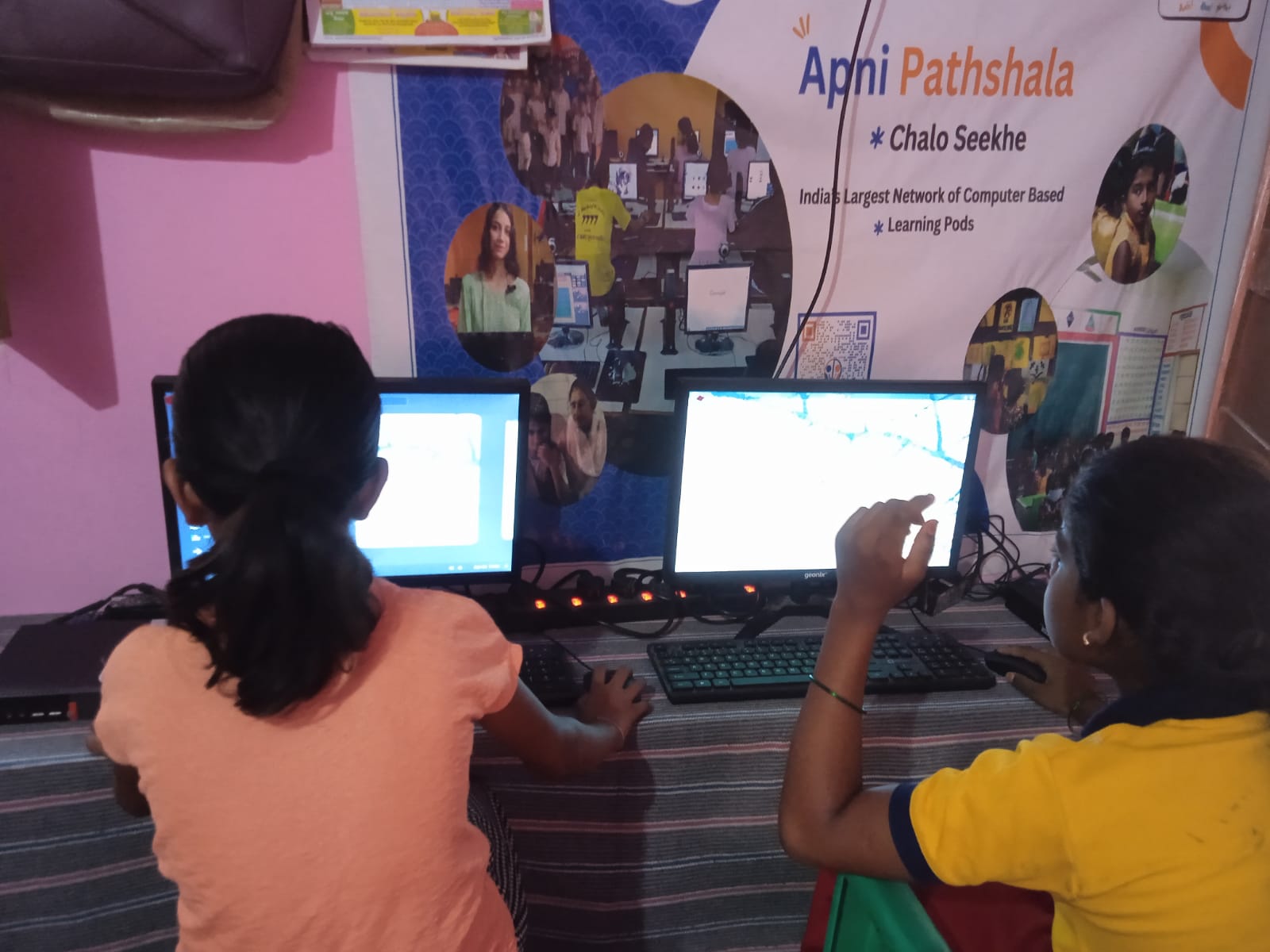
Your child can have the same journey. Your child doesn’t need to wait for school to provide computers. Your child doesn’t need to compete with 50 other students for one lab computer. Your child can start learning digital skills for kids right now, at home, at your own pace.
Your child’s future depends on the skills you give them today. Digital literacy isn’t optional anymore. It’s foundational. Your child needs more than mobile skills. Your child needs real computer skills. Visit apnapc.com to learn more.