

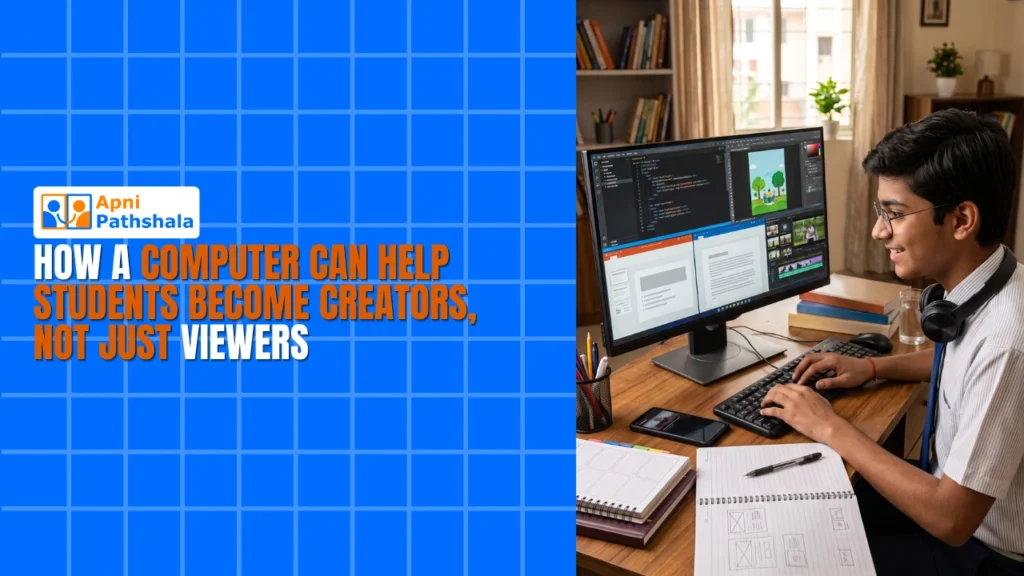
A computer helps students become creators by giving them tools to code, design, write and produce, instead of only scrolling and watching. When a child builds a Scratch game or a digital poster, they practise thinking, planning and problem-solving, and they start to see themselves as someone who makes things.
For example, a twelve-year-old who spends most free time on YouTube might, with the right computer and some encouragement, start making simple animations of their own. That shift from watching to making is what this article is about.
Why do creator skills matter for students?
Creator skills teach a child how to think, not just what to watch. When your child learns to code, design, write or produce content, they learn to plan, organise ideas and solve problems.
Employers want people who can create solutions, not just consume information. Children who learn digital creation early build confidence that carries through school, college and work.
The Digital India initiative has brought more devices into Indian homes, but many families are unsure how to use them for real learning. A computer used only for social media is a missed opportunity.
What does digital creation actually look like for a student?
Digital creation means practical projects your child can start right now. None of them are mysterious or complicated.
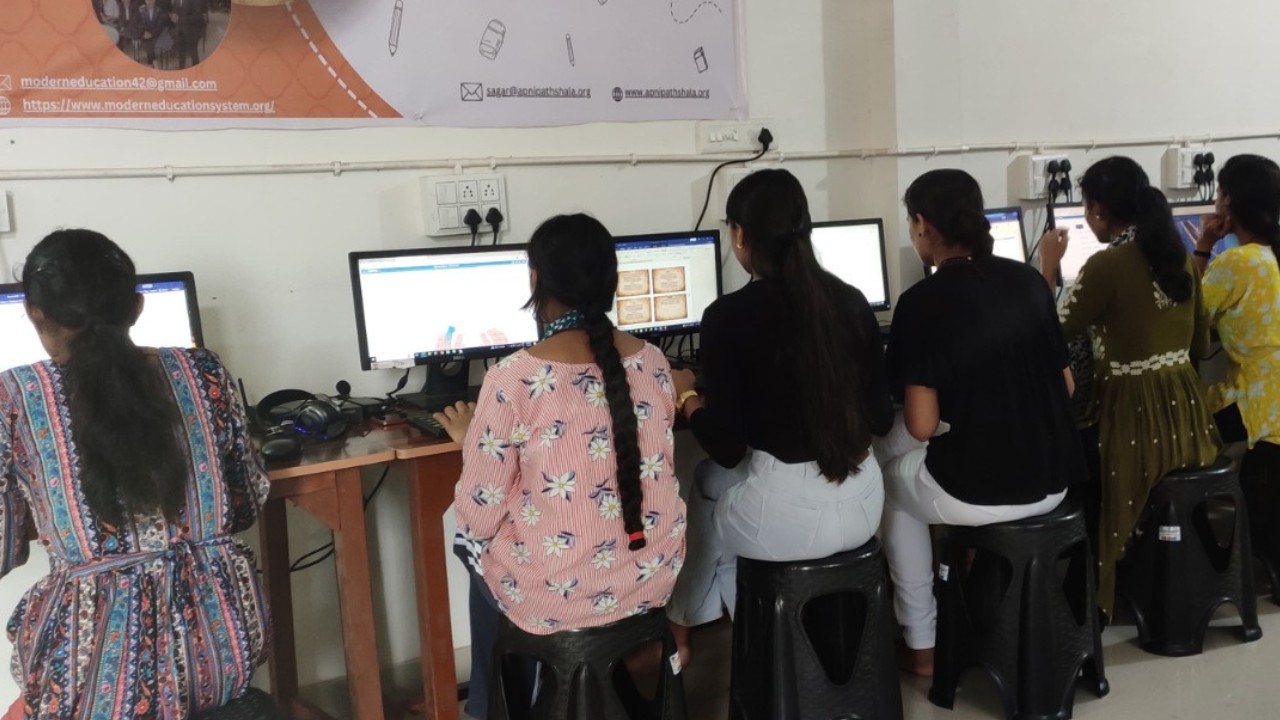
- Coding: building games, apps or animations in tools like Scratch, which teaches logic and sequencing without complex syntax
- Digital design: creating presentations, posters or graphics that communicate ideas visually
- Content production: making videos, podcasts or written pieces, which teaches research and clear presentation
- Problem-solving: using technology to tackle real challenges
Does creating on a computer help with schoolwork?
Yes. Creation projects reinforce school topics rather than competing with them. A student learning the water cycle can code a simple simulation, and a history student can build a digital presentation.
When your child’s hands are involved, not only their eyes, learning tends to stick. See how a computer for thinking beyond watching changes the way children approach study.
What kind of computer helps a child create rather than consume?
A computer built for learning, with creation tools ready and distractions removed. Many home computers are hand-me-downs or generic machines loaded with apps that distract more than they teach.
Apna PC comes with Zorin OS, a clean operating system with no bloatware or attention-grabbing ads. It includes LibreOffice for documents and presentations, Scratch for coding through visual blocks and Apni Prerna so parents can see what their child is working on, without invading privacy.
The specs suit real projects: 8GB RAM runs several applications smoothly, and 128GB SSD storage holds projects and learning files. At Rs. 30,000 (excluding shipping and GST), it is priced for Indian families.
How does self-paced learning help creativity grow?
Self-paced learning lets a child build creator skills at their own speed, which builds confidence. School teaches at one speed, and your child may need to move faster or slower.
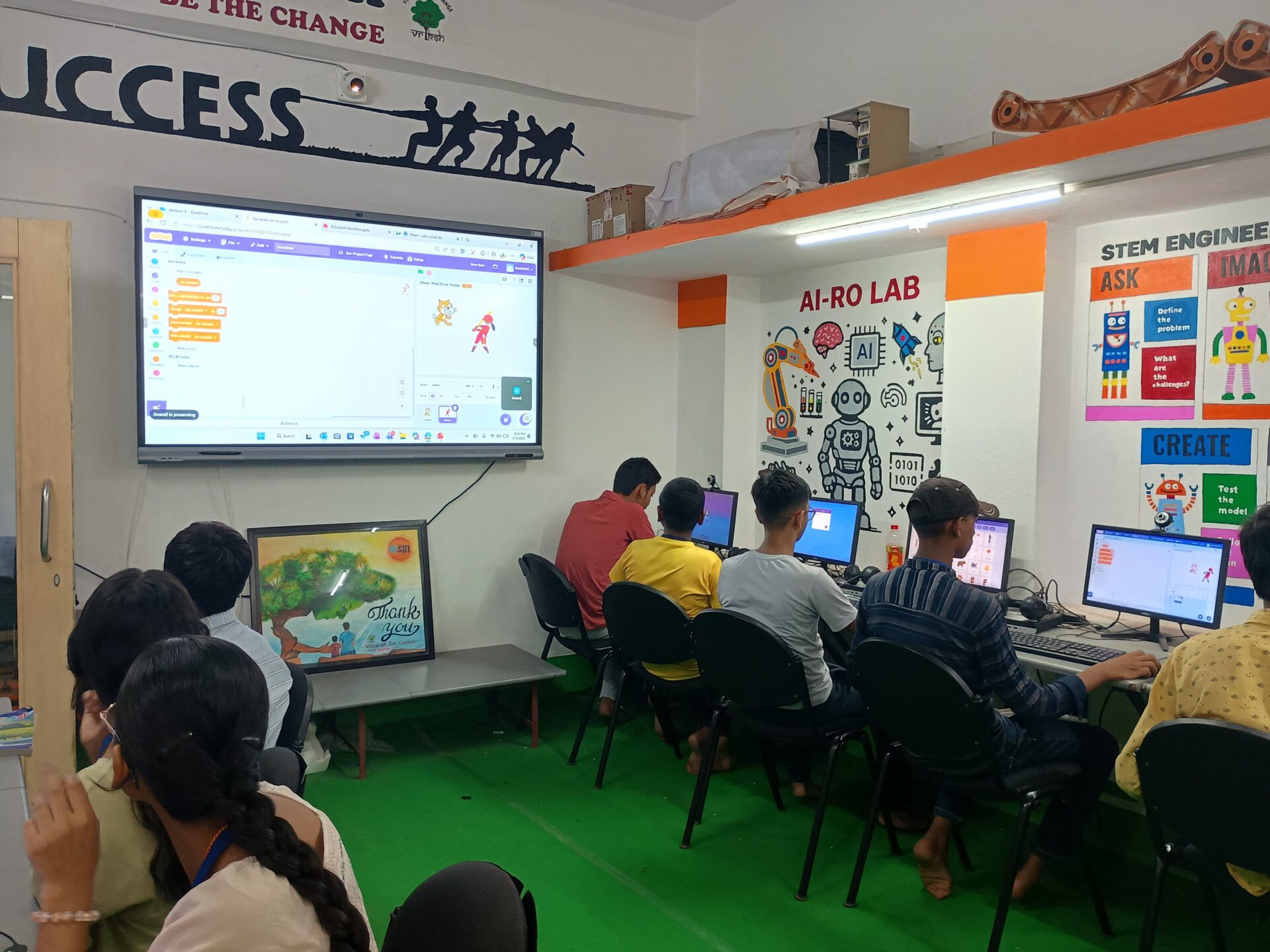
A child who finds traditional maths class hard might enjoy coding because the results are immediate. A shy child might find their voice through digital content. This is why self-paced learning with the right device matters so much in smaller cities: your child does not have to wait for a local coding class to begin.
How can parents help a child move from viewer to creator?
Start small and stay interested. Do not expect your child to become a master coder overnight, as the change happens in steps.
- Week one: explore Scratch and build a simple game.
- Week two: create a digital poster for a school project.
- Week three: code a small animation.
Ask your child what they are making, show genuine interest and celebrate small wins. When children see that you value creation over consumption, they put in more effort. For more project ideas, read how students move from consumers to creators.
The Digital India push has given families the infrastructure. Now the task is to use it well, so your child builds, creates and thinks instead of only scrolling.
Frequently Asked Questions
What is a good first creative project for a child?
A simple Scratch game or animation is a great first step. It gives quick, visible results, teaches logic and sequencing, and needs no typing of complex code. After that, a digital poster or short presentation for a school topic helps your child connect creating with their regular studies.
Should I ban YouTube to make my child a creator?
A total ban is not necessary. Watching can inspire making, especially tutorials. The goal is balance: for every bit of watching, encourage your child to build something with what they learned. Over time, creation tends to become more rewarding to them than passive scrolling.
Does my child need to be good at maths to enjoy coding?
No. Visual tools like Scratch rely more on logic, curiosity and trial and error than on advanced maths. Some children who find maths class hard actually enjoy coding because they see results straight away, and that success can make them more confident in other subjects too.
Your child’s future depends on more than watching what others build. Apna PC gives your family the computer and creation tools to help your child make things of their own. Visit apnapc.com to learn more.