

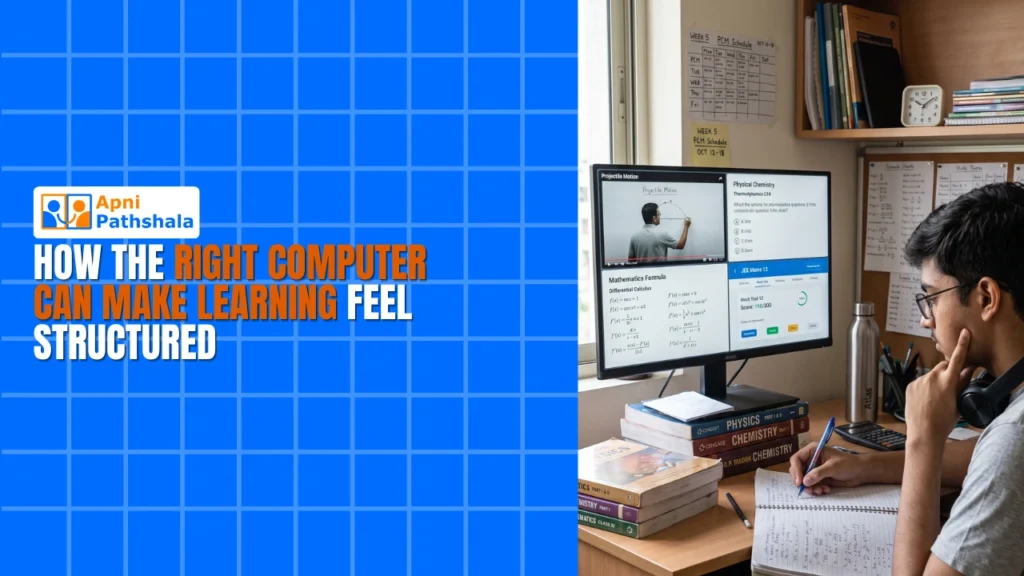
The right computer makes structured learning at home easier because it gives your child one device that means study, with no games, social media or clutter mixed in. When the same focused computer is used at the same times each day, routine starts to feel natural instead of forced.
For example, a child who studies at a dining table with a phone buzzing and the TV on may lose focus however much parents scold or reward. Changing the environment often works better than adding pressure.
What does structured learning actually mean?
Structured learning means your child knows what to do, when to do it and on which device. It is intentional, tracked and built around a routine, not random studying.
If a child studies on the same laptop they use for Instagram and YouTube, their brain cannot tell whether it is time to focus or relax. A computer designed for learning, with a clean operating system, educational software and parental monitoring, makes the message clear: this is where learning happens.
Many families in Tier 2 and Tier 3 cities face this challenge of building habits when distractions are everywhere. The answer is simple but often overlooked.
What makes Apna PC suited to a study routine?
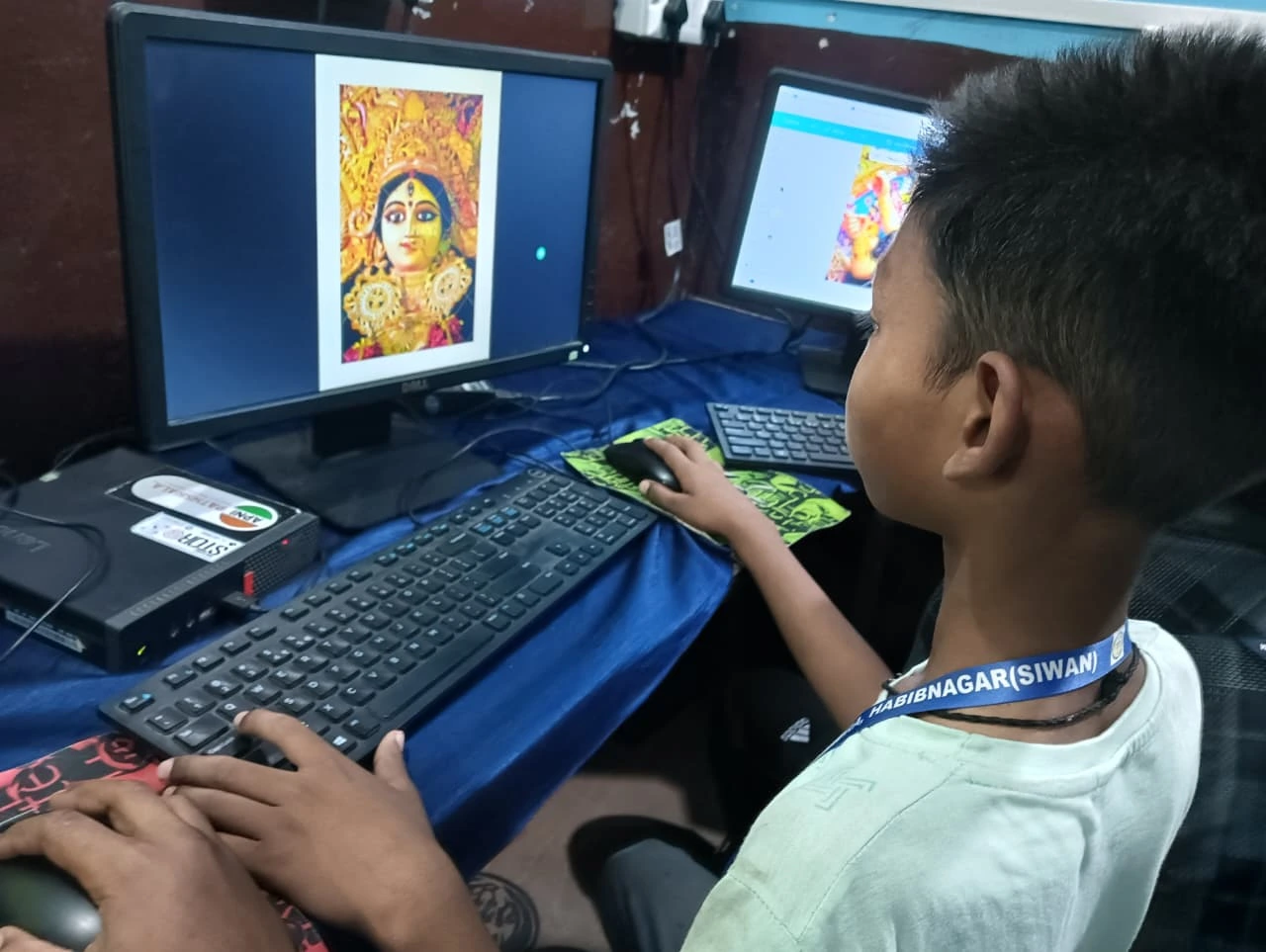
It is designed by Apni Pathshala for students who need structure, and it comes ready with study tools. At Rs. 30,000, it is affordable for families across Tier 2 and Tier 3 cities.
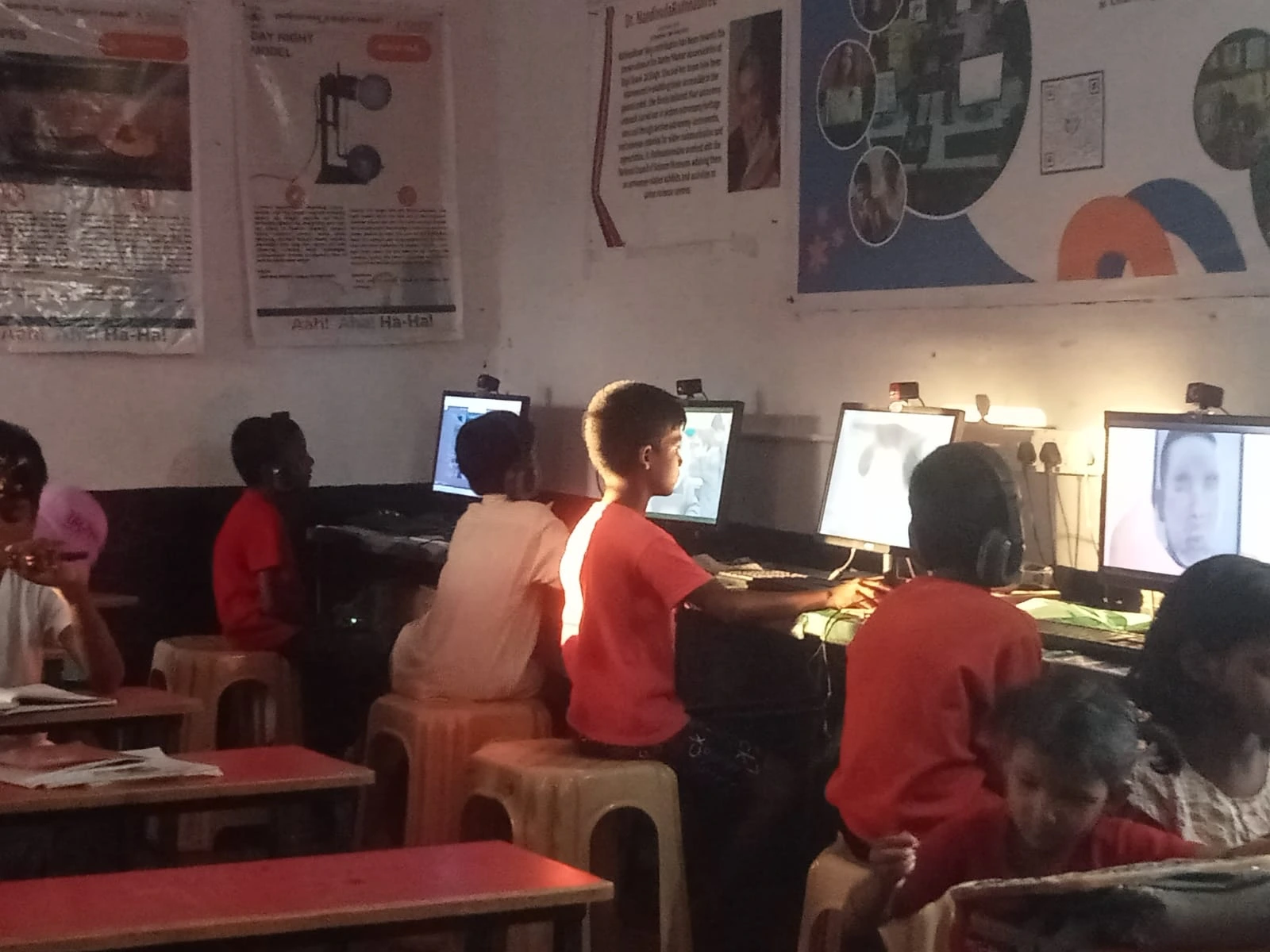
- Zorin OS: a clean, distraction-free operating system focused on learning, not gaming
- Apni Prerna: student monitoring that shows study time, resources used and learning patterns without being intrusive
- LibreOffice: tools for writing assignments, making presentations and organising work
- Scratch: a visual programming platform that builds problem-solving skills
The hardware is solid too. 8GB RAM gives smooth multitasking and a 128GB SSD means fast start-up and quick access to study materials.
How do you build a daily student routine with a study computer?
Give the computer a fixed study space and fixed study times. Repetition on the same device at the same time is what makes consistency feel natural.
- Set a dedicated space: not the kitchen table, not a bedroom full of temptations.
- Fix the daily pattern: morning revision, afternoon homework, evening practice.
- Review together: use Apni Prerna reports to talk about the day.
You can build discipline with a personal study device in ways that motivation alone cannot. When your child sits down at Apna PC, the environment supports them instead of fighting them. See also what a study day with Apna PC looks like.
How can parents use monitoring without hovering?
Use the reports to start conversations, not to catch your child out. Apni Prerna shows study sessions, time on different subjects and progress over weeks.
This helps you ask better questions, like “I noticed you spent 45 minutes on maths yesterday. How did that feel?” That kind of structured feedback strengthens the routine and shows you are understanding, not spying.
Why does home learning need the right equipment?
Because connectivity alone does not create good study. The Digital India initiative has expanded internet access across India, but children still need the right device to use it well.
| Device | Problem for structured study |
|---|---|
| Shared family laptop | Cluttered, slow and full of distractions |
| Phone | Screen too small for sustained study |
| Dedicated study computer | Reliable, fast and designed for students |
Apna PC is not the most expensive computer and has no flashy gaming graphics. It does what your child needs: helps them study better, focus longer and build habits that stick.
How does a first computer shape long-term learning habits?
A child’s first study computer shapes how they approach learning for years. If it is a distraction machine, they learn to study around chaos. If it is a focused tool, they learn to study with intention.
Read more about how your first computer shapes learning habits and why this choice matters more than it seems.
What results can parents expect over time?
Expect gradual change rather than overnight transformation. Over weeks, a child may start sitting down to study without being asked, finish homework and then spend extra time on Scratch projects.
The biggest change is often confidence. When the structure does its job, a child stops fighting themselves. You do not need expensive coaching centres, only clarity, consistency and the right computer.
Frequently Asked Questions
Can structure work without buying a new computer?
Some structure can, through fixed study times and a quiet space. But if the only device is a shared laptop or phone full of entertainment apps, focus is hard to protect. A dedicated study computer makes the boundary between learning and leisure much clearer for a child.
How long before a study routine feels natural?
It usually takes some weeks of repetition, not a few days. Using the same device at the same times each day is what builds the habit. Be patient, keep the pattern steady and use progress reports to notice small improvements along the way.
Will my child feel watched by Apni Prerna?
Not if you use it to support rather than supervise. Apni Prerna shows study time and subjects, not every action. Talking openly about what the reports show, and praising effort, helps your child see monitoring as help with learning rather than surveillance.
What should a daily study routine include?
A simple routine has morning revision, afternoon homework and evening practice. Keep each block on the same device at roughly the same time. Add a short review together using the reports so your child knows what went well and what to focus on next.
If you want a computer that makes structured learning easier for your child, explore Apna PC.