

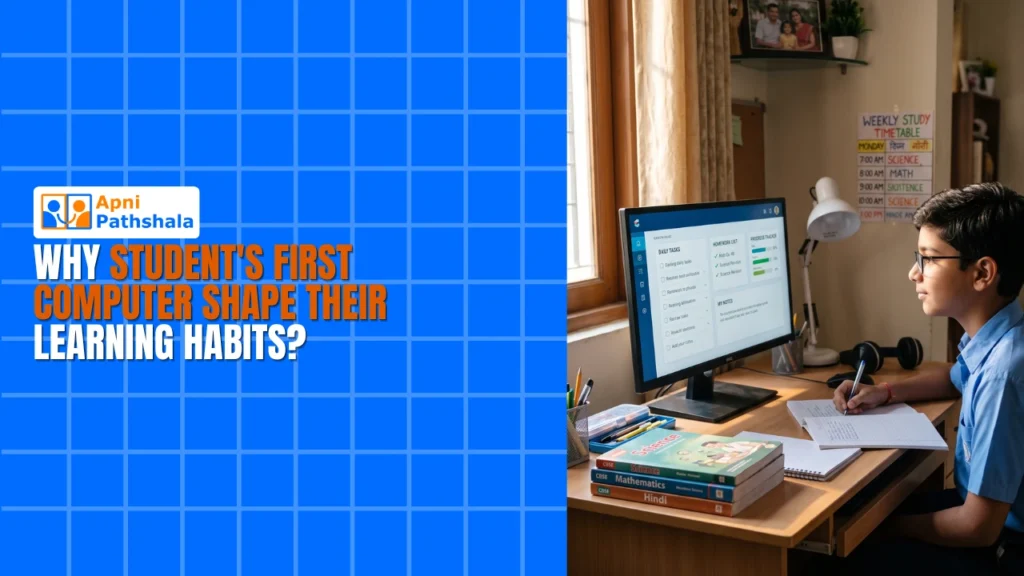
Rajesh’s Son Got His First Computer, and Everything Changed
Rajesh Kumar sat in his small shop in Indore, worried. His son Arjun, a Class 8 student, was struggling with math and science. The local tuition centre wasn’t helping much, and Rajesh couldn’t afford the expensive coaching classes in the city centre. One evening, a customer mentioned that his daughter had improved her grades after getting a computer for studies. That conversation planted a seed. Three months later, when Rajesh bought Arjun a computer, something shifted. Arjun started solving problems on his own, watching educational videos, and, most importantly, developing a routine. Today, Arjun consistently scores above 85% and spends his free time learning to code. What changed wasn’t just the tool; it was how Arjun learned. Your first computer for learning shapes not just grades, but lifelong study habits.
A student’s first computer for learning is more than a machine. It’s the foundation of how they’ll approach education for the next decade. When you choose the right device, you’re investing in discipline, curiosity, and independence.
How Your First Computer Builds Study Habits That Last
When a student sits down with their own computer, something psychological happens. It’s their space, their tool, their responsibility. Unlike a shared family laptop or a phone, a dedicated study computer creates a clear boundary between entertainment and learning.
The right computer teaches you consistency. You develop a routine: log in, open your study apps, and focus. Over time, this becomes automatic. You don’t need parents nagging you to study because the habit is built into your day.
Consider what happens when a device is poorly chosen. It’s slow, it crashes, it frustrates you. You avoid using it. But with a fast, reliable computer like Apna PC, with 8GB of RAM and a 128GB SSD, you actually want to sit down and work. The machine doesn’t get in your way, so your mind doesn’t wander to excuses.
The right computer builds self-study discipline by removing friction. You can open multiple tabs, run educational software smoothly, and focus on learning rather than technical issues.
- Consistency: You develop a daily study schedule without being forced.
- Independence: You learn to solve problems by researching online, not just asking teachers.
- Focus: A dedicated study device keeps distractions away from your learning space.
- Confidence: Success with one subject using your computer motivates you to try harder subjects.
The Digital Learning Gap: Why Tier 2-3 Cities Need Better Access
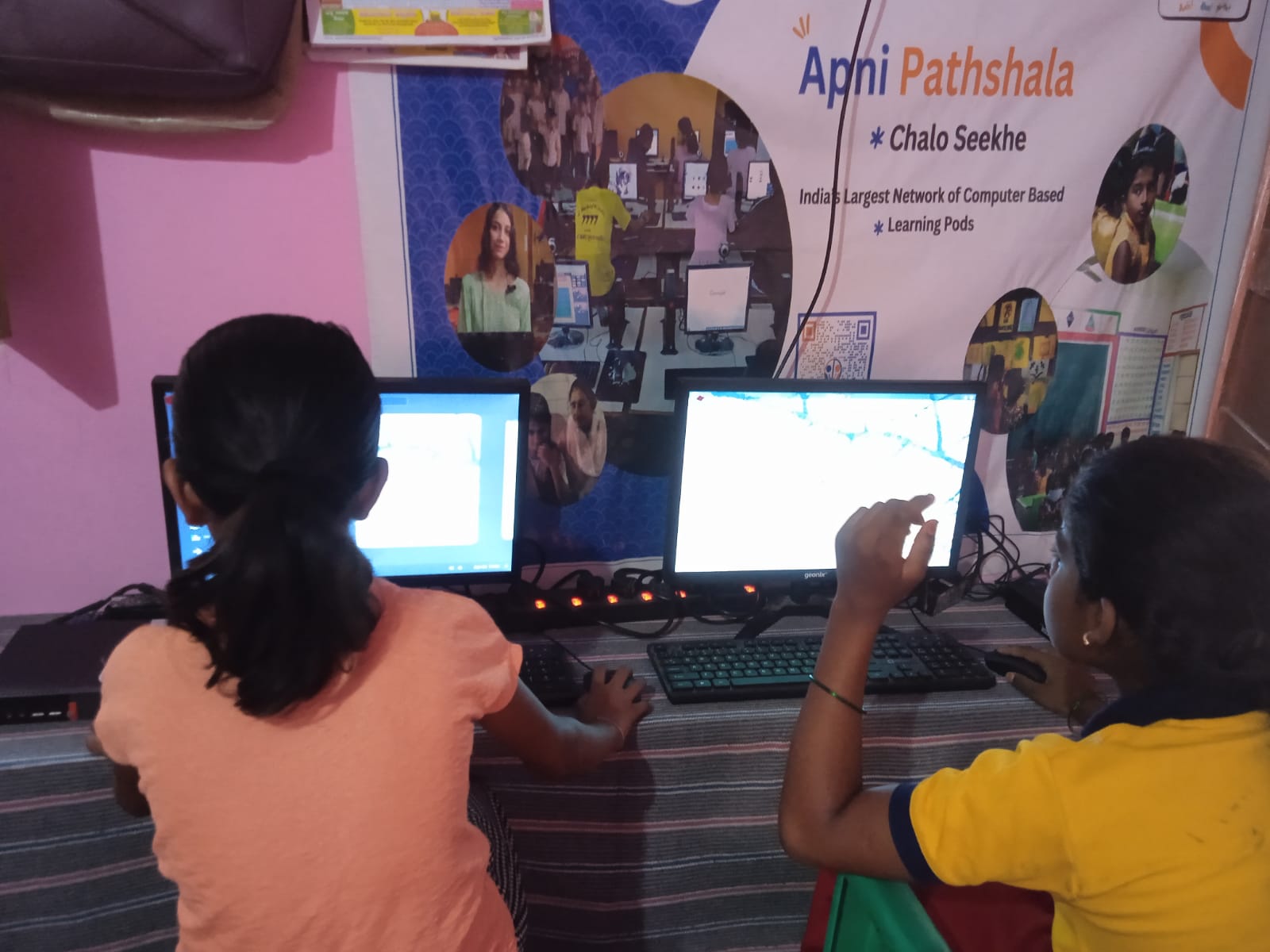
Students in metro cities have had computers for years. They’re comfortable with digital learning, coding, and online research. But in Tier-2 and Tier-3 cities like Indore, Nagpur, Ludhiana, and Coimbatore, many students are still catching up. This gap isn’t about intelligence; it’s about access and affordability.
When you don’t have a computer at home, you’re learning differently from your peers in bigger cities. You can’t do extra practice at night. You can’t watch tutorials on difficult topics. You can’t build coding skills that employers now expect. The Digital India initiative is pushing technology into schools, but home learning is where real habits form.
That’s why Apna PC exists. It’s designed for Indian students, priced for Indian families, and pre-loaded with tools you actually need. At Rs.21,000 (excluding shipping and GST), it’s affordable enough for a middle-class family in smaller cities, yet powerful enough to handle everything from schoolwork to competitive exam prep.
Your first computer shouldn’t cost a month’s salary. It should be accessible, reliable, and purpose-built for learning.
What Makes a Computer Suitable for Your Child’s Learning
Not every computer is good for studying. Gaming laptops are overkill and expensive. Old, slow machines frustrate you. Budget computers often break down. Your child’s first computer needs to be just right.
It needs speed. When you’re trying to focus on a math problem, you can’t wait 30 seconds for an app to load. 8GB RAM and 128GB SSD mean things open instantly.
It needs the right software. Your child shouldn’t waste time fighting with complicated programs. Zorin OS is user-friendly, LibreOffice handles all document work, and Scratch teaches coding in a visual, fun way. Apni Prerna helps you track progress without invading privacy.
It needs to be distraction-free. A computer designed for learning, not gaming, keeps your focus where it should be.
Apna PC has all this built in. It’s not a compromise device. It’s a purpose-built computer for Indian students who want to study seriously.
From Passive Learning to Active Problem-Solving
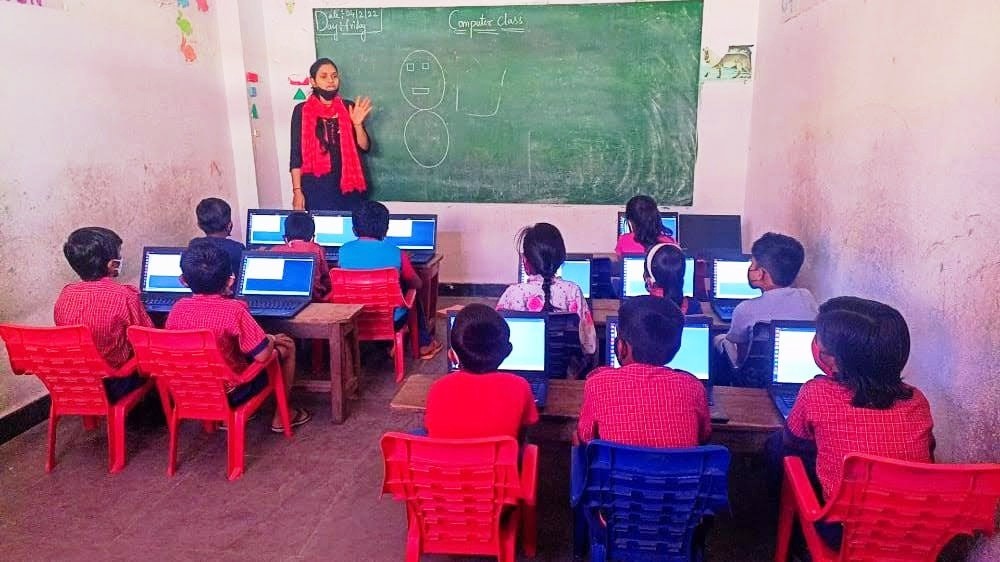
Before a computer, learning was passive. You listened to your teacher, you read your textbook, you solved problems from the back of the book. That’s fine for basic understanding, but it doesn’t build deep learning.
With your own computer, learning becomes active. You encounter a problem, search for solutions, watch a tutorial, and try again. You’re not waiting for the next class. You’re learning at your own pace, your own time.
This is how daily revision with a computer becomes powerful. You can revisit topics whenever you want. You can practice problems until they click. You build real confidence, not just memory.
Students who have their own computer for learning don’t just score better in exams. They develop curiosity. They learn to learn. That skill will matter far more in their careers than any single test score.
Real Skills for a Real Future
Your child’s future will be digital. Coding, digital literacy, online research, and working with software aren’t optional skills anymore. They’re baseline expectations.
When you give your child their first computer for learning, you’re not just helping them pass Class 8 or Class 10. You’re preparing them for college entrance exams, for competitive exams, for jobs that don’t exist yet.
The habits formed in these early years stick. A student who learns to code on their own computer at age 14 is more likely to pursue tech careers. A student who gets comfortable with research and self-learning is more likely to succeed in higher education. A student who develops discipline with their own device carries that discipline into everything they do.
A personal computer in the hands of a young learner is a powerful thing. It’s not about the specs or the brand. It’s about what the student can do with it.
Why This Matters Right Now
The world has changed. Your child’s education can’t happen only in a classroom. The best students are using computers to learn faster, deeper, and more independently. If your child doesn’t have access to a good computer for learning, they’re already behind.
You don’t need to spend a fortune. Apna PC is affordable, reliable, and built for exactly this purpose. It comes ready to use, with all the software your child needs already installed. No confusion, no setup headaches, just learning.
Your investment today shapes your child’s learning habits for the next 10 years. Choose wisely. Apna PC is designed for students like yours, in cities like yours, with dreams as big as anyone’s. Visit apnapc.com to learn more.