

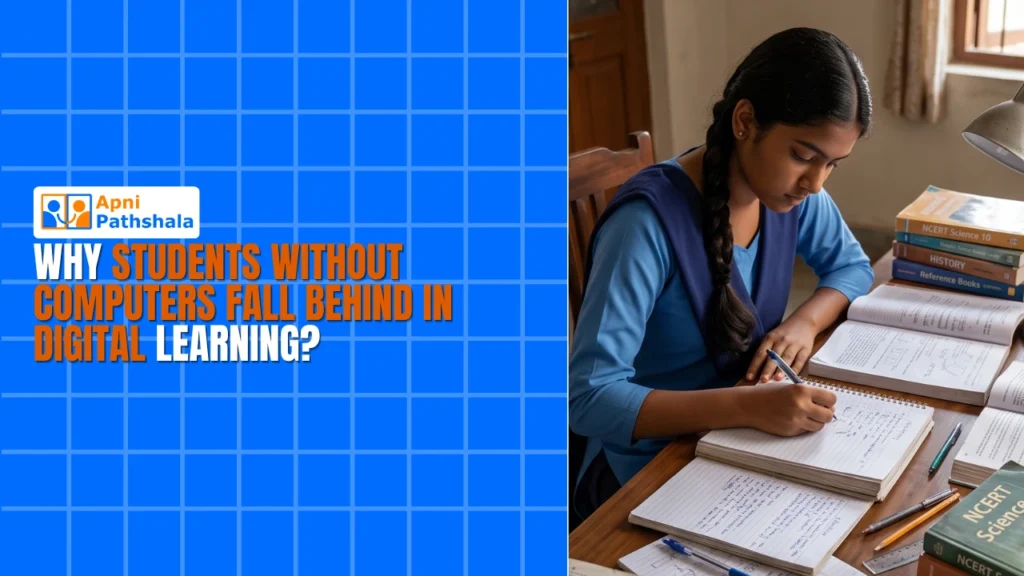
Rajesh’s Story: When One Computer Isn’t Enough for Three Children
Rajesh Kumar sits in his small flat in Indore, watching his three children fight over their single laptop. The digital learning gap is growing in thousands of Indian homes like his. His oldest daughter needs it for her online classes at 2 PM. His son has to submit a coding assignment by evening. His youngest can’t access the DIKSHA digital learning platform because the device is always busy. This isn’t a rare problem in Tier-2 and Tier-3 Indian cities. Thousands of families face this exact situation every day, and the digital learning gap keeps widening.
When students don’t have access to their own computer, they fall behind. It’s not just about having a device. It’s about having the freedom to learn at your own pace, submit assignments on time, and participate equally with peers in digital classrooms. The digital learning gap has become one of the biggest barriers to quality education for students in smaller Indian cities.
What Exactly Is the Digital Learning Gap?
The digital learning gap refers to the difference in educational outcomes between students with regular access to computers and those without. Your child might be brilliant, but without a computer at home, they can’t practice coding, access online resources, or submit digital assignments independently.
Think about what your child misses. They can’t explore interactive learning tools. They can’t watch educational videos when they need them. They can’t work on projects at their own speed. Schools expect students to be digitally literate, but how can they develop these skills without access to a device?
- Delayed Assignment Submissions: Waiting for a shared device means your child submits work late, losing marks and confidence.
- Limited Practice Time: Coding, math simulations, and interactive learning need hands-on practice that shared devices can’t provide.
- Missed Online Classes: When multiple children share one computer, someone always misses their live session.
- No Independent Learning: Your child can’t explore topics on their own or work at their own pace.
- Falling Behind Peers: Students in cities with better digital access complete more projects and develop stronger tech skills.
The India Ministry of Education has recognised this challenge. Schools now expect students to submit digital assignments, participate in online learning, and develop computer skills. But students without computers at home simply can’t keep up.
How the Digital Learning Gap Affects Your Child’s Future
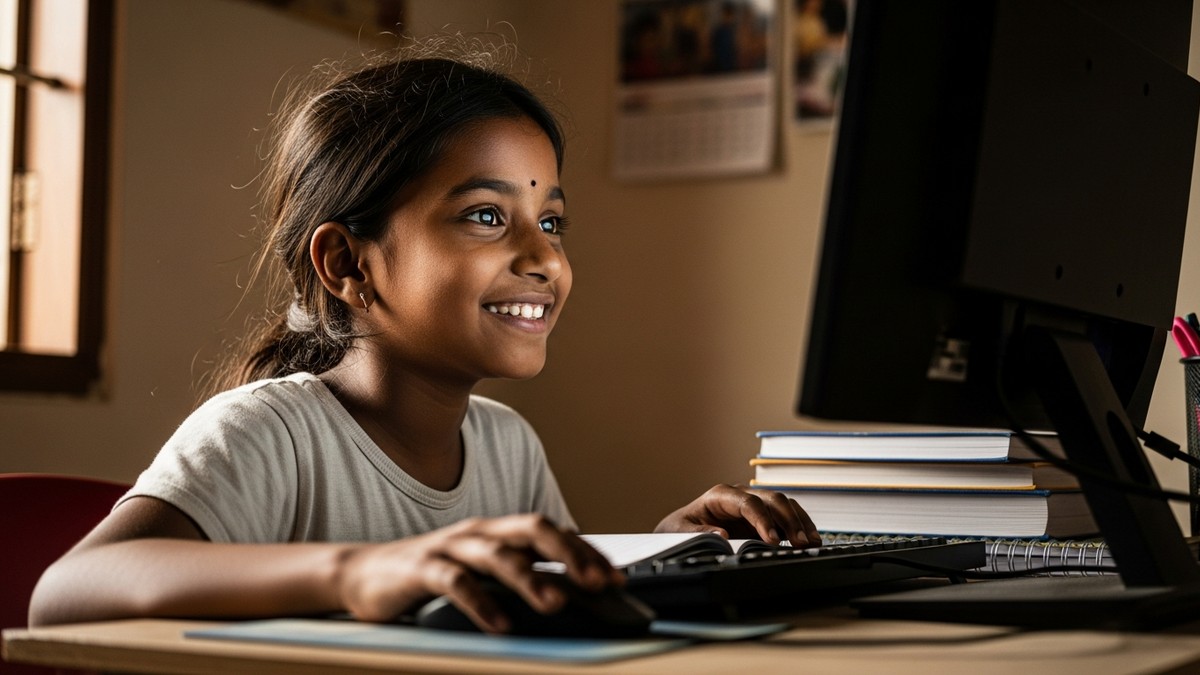
The impact isn’t just about grades today. It’s about your child’s future career prospects. Every job now requires basic computer skills. When your child grows up without regular access to computers, they enter college and the job market at a disadvantage.
Consider this: a student who practices coding for 30 minutes daily will become far more skilled than a student who gets 2 hours on weekends when the shared device is free. Your child’s brain needs consistent, independent practice to develop digital literacy. Without that, the gap only widens each year.
Students from families with multiple computers at home are already learning skills your child hasn’t touched yet. They’re building portfolios, creating digital projects, and developing confidence with technology. Your child is watching from behind, trying to catch up.
The real problem? By the time your child reaches college, they’re already 2-3 years behind their peers who had computers at home. This affects which colleges accept them, which scholarships they qualify for, and which career paths open up.
Why Shared Devices Don’t Solve the Problem
You might think sharing one family computer is enough. It’s not. Your child needs their own device to truly benefit from digital learning. Here’s why sharing creates problems that hurt your child’s education.
When your child finally gets the computer, they’re rushed. They can’t explore. They can’t experiment. They can’t learn at their own pace because someone else needs it soon. This stress and time pressure actually reduces learning quality. Your child focuses on finishing quickly instead of understanding deeply.
Your child also misses out on how computers support digital notes and video lectures. They can’t pause a video to take notes. They can’t rewatch explanations. They can’t organise their digital learning materials properly. This makes studying harder, not easier.
They also miss what students gain beyond textbooks with a computer. They can’t access online libraries, research databases, or interactive learning platforms. Their learning stays limited to textbook content while peers explore the entire digital world of knowledge.
The Solution: Giving Your Child Their Own Learning Device
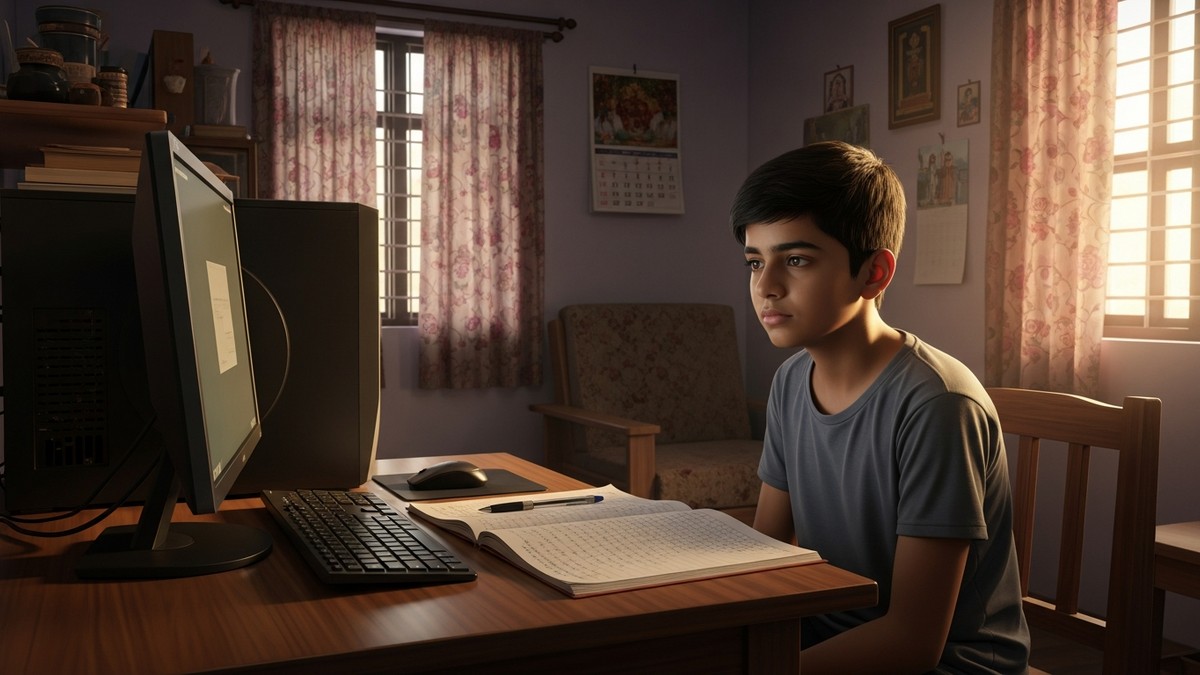
Your child needs their own computer. Not a fancy gaming laptop. Not a device for entertainment. A dedicated learning device thats affordable, reliable, and designed specifically for education.
This is where Apna PC changes everything. At just Rs. 21,000 (excluding shipping and GST), Apna PC is an educational computer built by Apni Pathshala specifically for Indian students. It’s not as expensive as commercial laptops. It’s designed for learning, not gaming or business.
Apna PC comes pre-loaded with everything your child needs. Zorin OS provides a smooth, distraction-free learning environment. LibreOffice lets your child create documents and presentations. Scratch teaches coding through interactive learning. Apni Prerna helps you monitor your child’s progress without being intrusive.
With 8GB of RAM and a 128GB SSD, your child gets a device that handles schoolwork smoothly. No lag. No frustration. Just learning.
Your child can now access the DIKSHA digital learning platform at any time. They can watch educational videos, submit assignments independently, practice coding, and develop real digital skills. They’re no longer competing with siblings or waiting for shared access.
What Changes When Your Child Has Their Own Computer
Everything improves. Your child’s confidence grows immediately. They stop feeling left behind. They start participating equally in digital classrooms. Their assignment submissions improve because they have time to do quality work.
Your child develops real coding skills. They explore topics independently. They build digital projects. They learn at their own pace, not rushed by shared device schedules. Their grades improve not just because they have more time, but because they actually understand the material better.
Most importantly, your child closes the digital learning gap. They’re no longer behind their peers in cities with better digital access. They’re learning the same skills, accessing the same resources, and building the same confidence with technology.
The investment in Apna PC isn’t just about a device. It’s about your child’s future. It’s about closing the gap. It’s about giving your child equal opportunity in a digital world.
Your child deserves the chance to learn without limitations. Visit apnapc.com to learn more.