

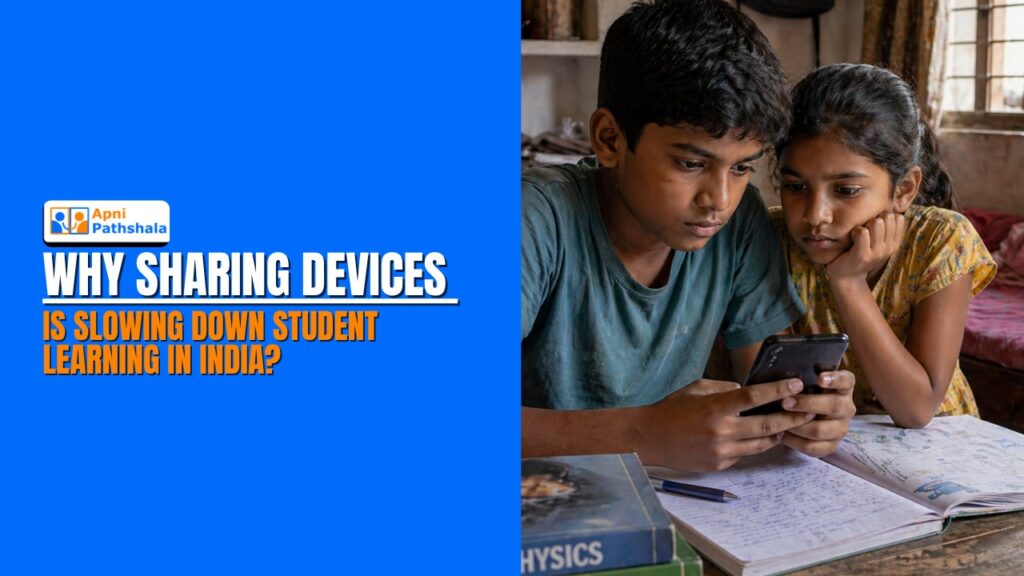
In millions of Indian homes, there is one phone. Sometimes one phone and one laptop. And in that same home, there are two, three, or even four students, each with assignments, video lessons, and practice papers to get through. The math never works out. Someone always loses. In most cases, it is the student who is youngest, quietest, or least able to fight for their turn. This is the reality of sharing devices that students across India face every single day, and it is quietly pulling down their performance in ways most families do not even notice.
The Device Sharing Problem India Cannot Ignore
The device sharing problem in India is not just about inconvenience. It is about lost learning time, time that, once gone, does not come back.
Consider a Class 9 student who needs the phone from 6 PM to 8 PM to revise for an exam tomorrow. But their elder sibling has a college deadline and needs it from 5 PM to 9 PM. And one of the parents needs it to check in for work. The student gets 30 minutes, maybe 45, in between. That is not a study session. That is a fragment. And a student cannot build understanding from fragments.
This plays out across subjects, across weeks, across the entire academic year. The student who needed two hours to properly understand quadratic equations gets 30 minutes and moves on without understanding. That gap compounds. By the time board exams arrive, they are not behind because they lacked ability; they are behind because they never had uninterrupted time with the material.
Students’ Study Issues at Home Go Deeper Than Time
When we talk about students’ study issues at home, device sharing creates problems beyond the number of available hours.
Focus is broken before it begins. A student who knows they have only 40 minutes before someone else needs the device cannot settle into deep study. The awareness of a ticking clock creates anxiety that blocks the kind of focused thinking that learning requires.
Continuity is impossible. Understanding a complex topic, a chemistry reaction mechanism, a geometry proof, or a history chapter with many interlinking events requires building a mental model over an uninterrupted session. Picking up a topic mid-thought after an hour’s gap means starting the mental work from scratch again.
Confidence erodes quietly. When a student repeatedly fails to finish what they set out to study, they begin to believe the problem is with them, not with the situation. Low confidence compounds poor preparation. The student who is always scrambling for device time begins to see themselves as someone who cannot keep up, rather than someone who was never given a fair chance.
According to UNESCO research on digital education access, students who have personal access to a learning device significantly outperform peers who share devices, not because of the device itself, but because of the uninterrupted, self-paced learning it enables.
Digital Learning Challenges Made Worse by Shared Screens
The shift to digital education has created a new category of digital learning challenges, and shared devices sit at the centre of most of them.
Online classes, video lessons, and digital assignments all assume that a student has reliable, personal access to a device at a predictable time. When that assumption breaks down, students fall behind on recorded lectures, miss submission deadlines, and lose access to content available only for a limited window.
During and after the COVID-19 period, this problem became visible in a way it had never been before. Students who shared phones with their families were documented as falling behind by an entire academic year in some cases, not because they were less capable, but because shared access meant inconsistent participation.
The Ministry of Education’s Annual Reports consistently flag device access as one of the top barriers to effective digital learning outcomes for students in Tier 2, Tier 3, and rural areas. The problem is well understood. The solution, however, is still out of reach for too many families.
What Changes When Every Student Has Their Own Device?
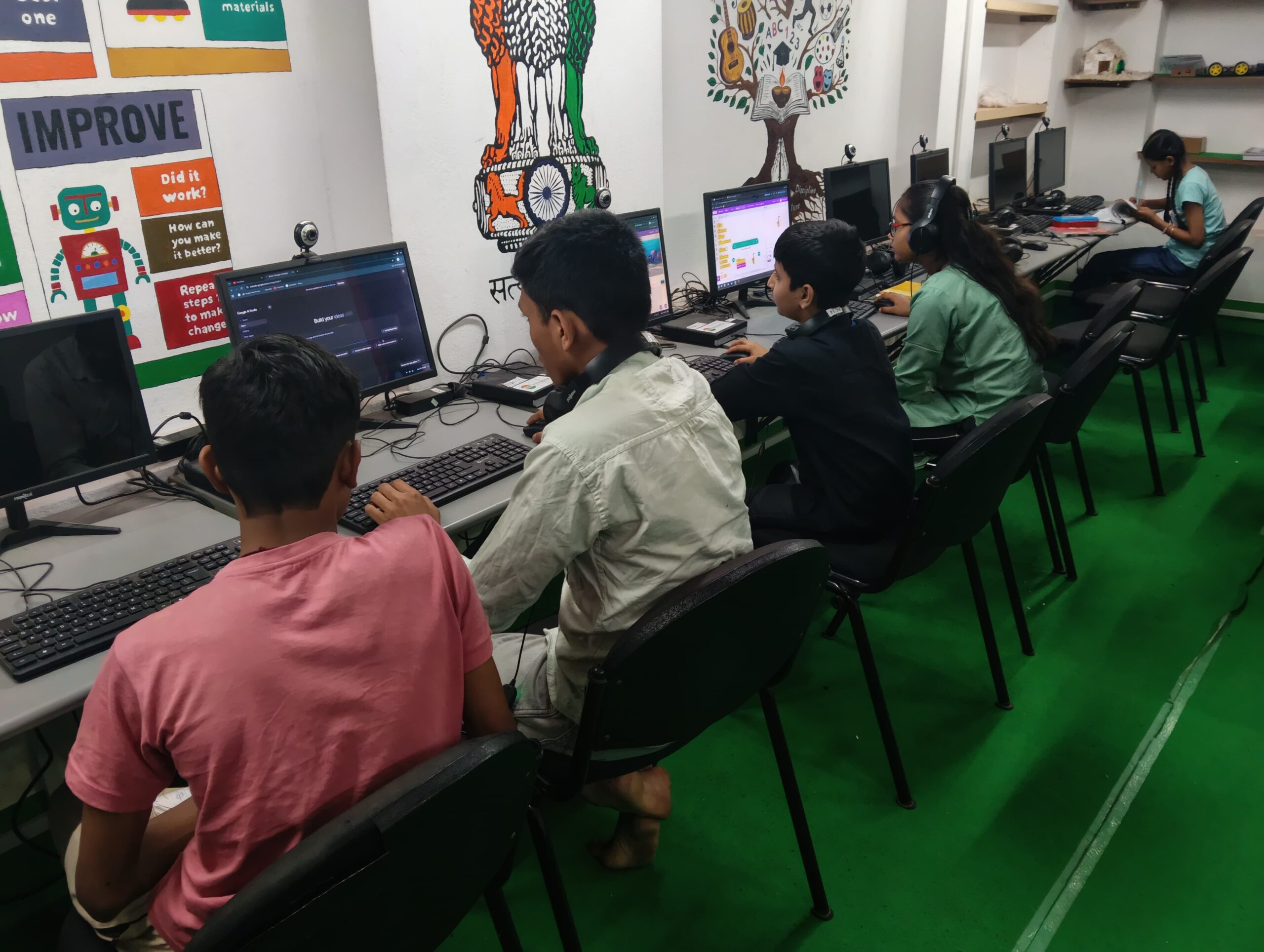
The difference a personal device makes is not subtle. It is immediate and measurable.
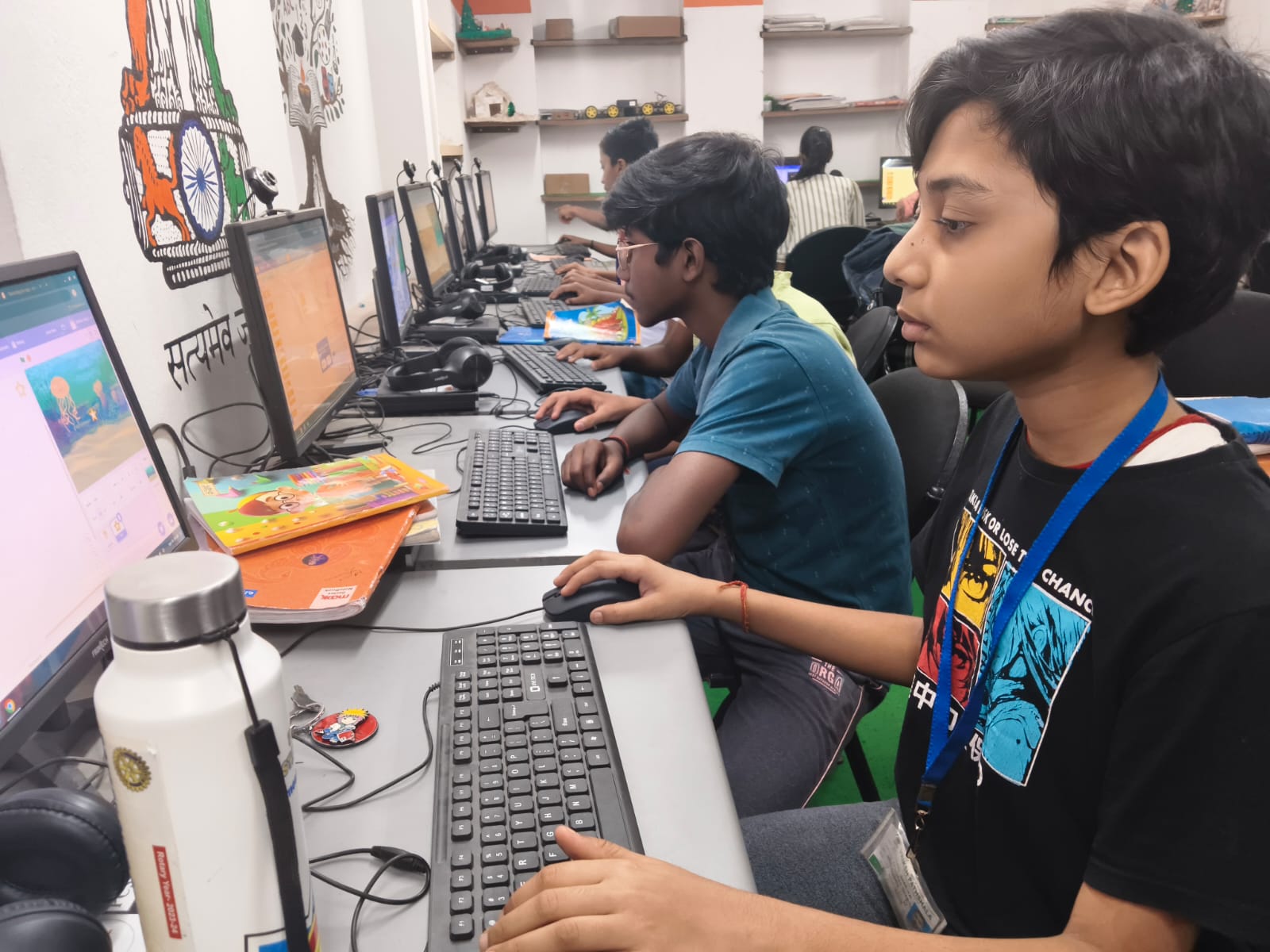
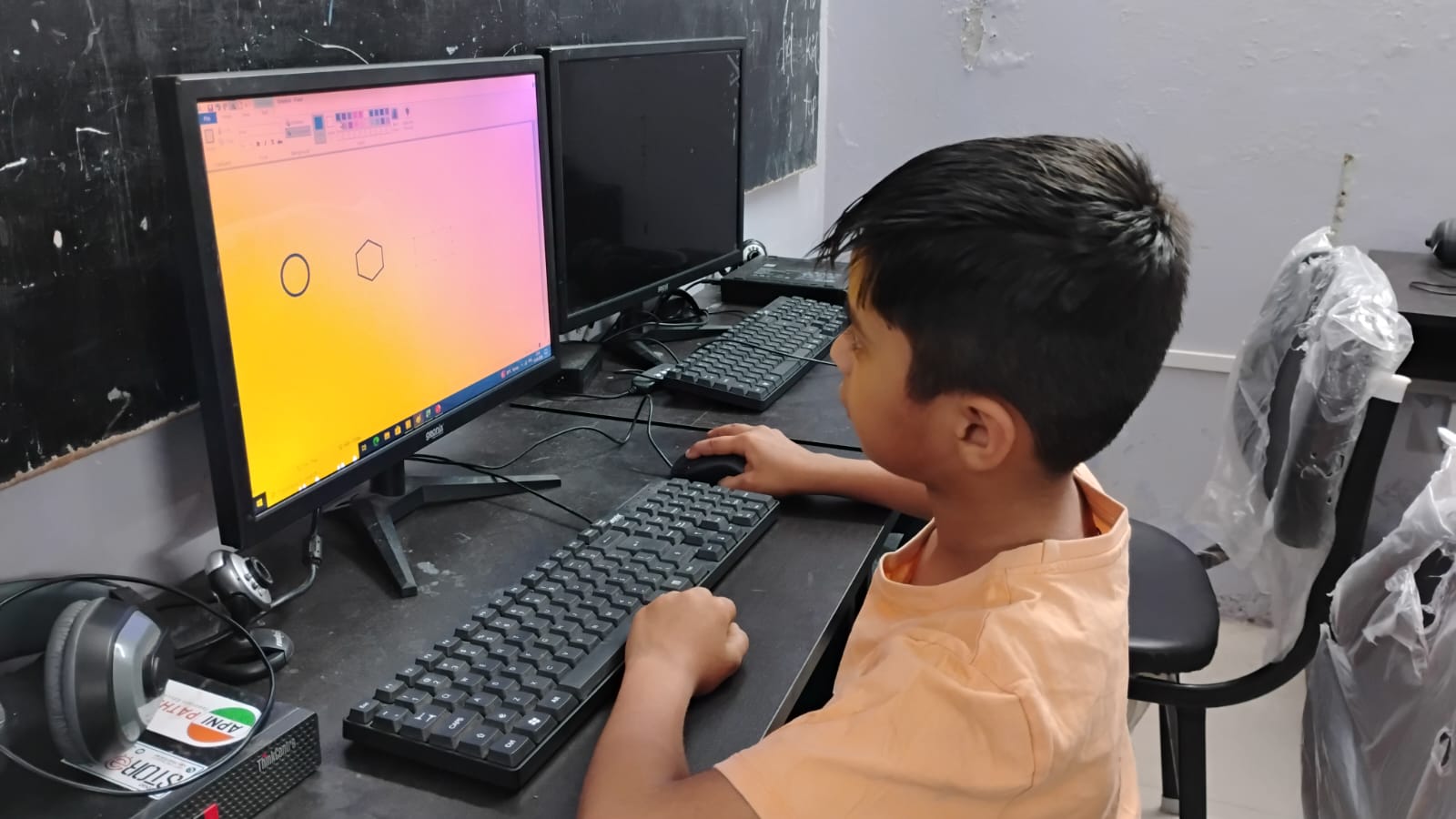
A student with their own computer can study when they are ready, not when a shared device happens to be free. They can revisit a difficult concept three times without worrying about someone else waiting. They can set up their books, notes, and practice papers in one place and return to exactly where they left off. They can build a consistent study routine because the routine does not depend on anyone else’s schedule.
This is what Apna PC is designed to make possible. At ₹21,000 (shipping and GST excluded), it gives Indian students, especially in cities and towns where expensive devices have felt out of reach, a dedicated educational computer of their own. No shared screen, no compromised schedule, no learning that happens in fragments. Explore how Apna PC builds digital access and equal learning opportunities for students across India.
Every Student Deserves Their Own Space to Learn
Sharing devices is treated as a normal constraint in most Indian households. But normal does not mean acceptable. Every hour a student spends waiting for their turn is an hour of learning lost. Every session cut short because someone else needed the screen is a concept left half-understood. The solution is not more discipline or better time management. The solution is giving each student the one thing they actually need: a device of their own. Visit apnapc.com to learn more.