

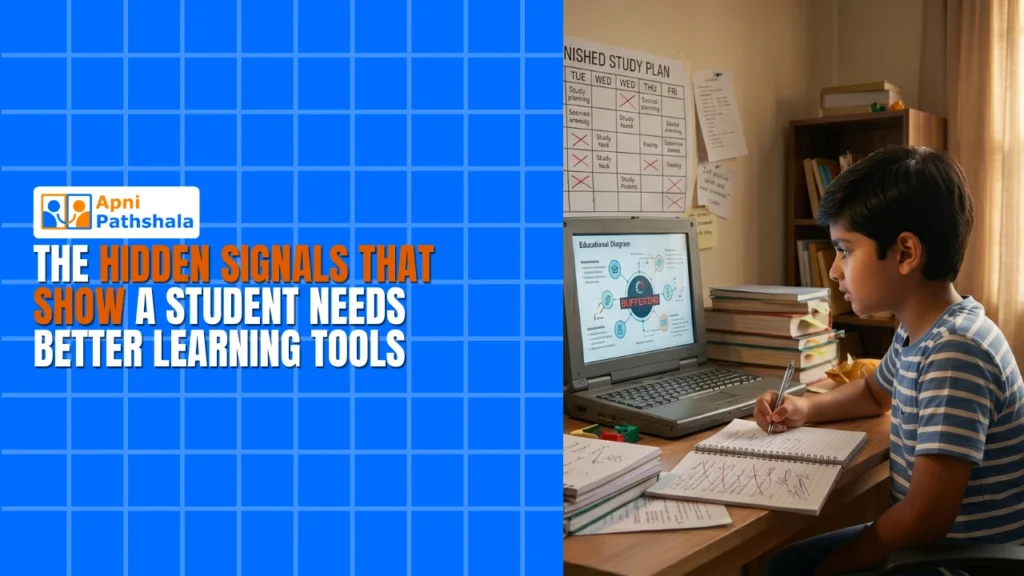
Many parents notice their child struggling in school but can’t pinpoint why. The answer often isn’t effort or attention; it’s the absence of the right learning tools for students. The signs don’t always show up loudly. No dramatic failure, no sudden rebellion. Instead, small, quiet signals build up over time: missed deadlines, borrowed answers, and assignments left untouched. Recognizing these early can completely change the direction of a child’s education.
What “Learning Tools” Really Mean for Students Today?
When most Indian parents hear “learning tools,” they picture notebooks, geometry boxes, and textbooks. But today, study tools for students mean far more than stationery. A personal computer, stable internet access, digital textbooks, and online practice platforms, these are the resources that directly shape what a student can produce.
A student without these tools is more intelligent. They’re less equipped. When one child can rewatch a difficult lesson three times on their device and another has to rely entirely on memory, the gap in outcomes has nothing to do with talent. Access is the key factor. According to NCERT (National Council of Educational Research and Training), students need consistent access to quality learning materials to build strong academic foundations, and today, digital tools are at the centre of education.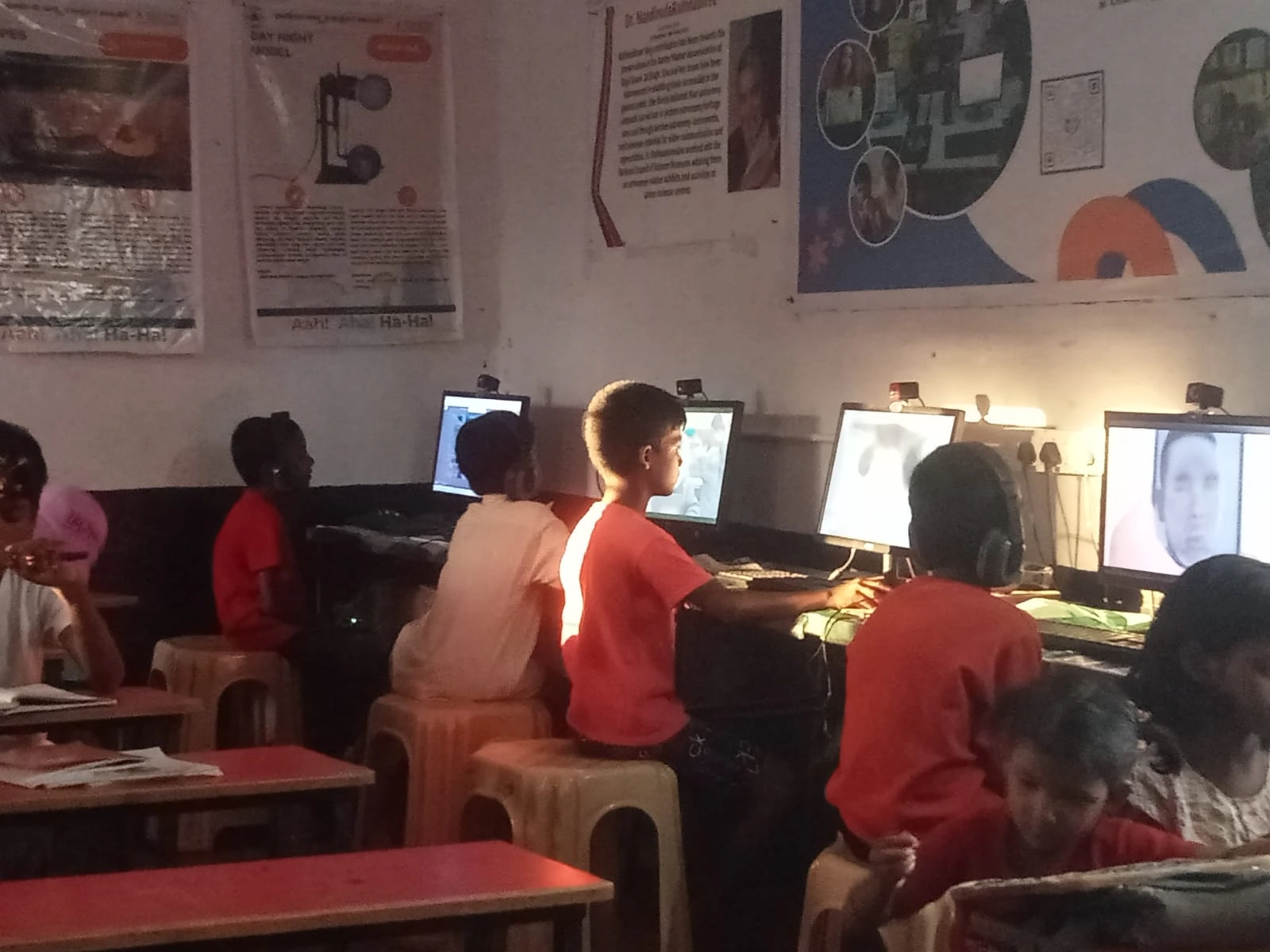
The Quiet Warning Signs Parents Often Miss
Before marks drop significantly, there are subtler signals worth watching for:
- Avoids homework after school — When a task requires a device they don’t have, students find excuses to delay. It isn’t laziness; it’s a quiet workaround for a real limitation.
- Copies assignments from classmates — Without digital learning tools, students fall back on borrowing work. This isn’t dishonesty; it’s problem-solving with limited options.
- Struggles with school projects — Projects requiring typed reports, internet research, or digital presentations become nearly impossible without a computer at home.
- Loses interest in academics gradually — When every task feels harder than it should be, motivation drains slowly. Children don’t usually say, “I need better tools.” They just stop trying.
- Students often feel anxious before exams because they lack the resources to revise and practice, leaving them underprepared, not due to a lack of desire to prepare but because they are unable to prepare like their better-equipped classmates.
Seeing two or more of these signs together is a clear signal: the problem isn’t the student. It’s their resources.
Why the Right Tools Change How a Student Learns?
Giving students the right learning tools for students doesn’t just solve one assignment problem. It changes how they relate to learning altogether.
With a computer at home, a student gains the ability to research and verify information on their own. They can access DIKSHA India’s national digital learning platform for free, with NCERT-aligned lessons at any hour. They can practise typing and build the digital literacy skills that their future employers will expect. Most importantly, they learn at their own pace, faster through simple topics and slower through difficult ones, without any pressure or judgement.
Educational technology tools also remove one of the most common barriers Indian students face: depending on someone else’s device. Submitting assignments on time, attending digital classes, and attempting online tests – all of these tasks become possible when a student finally has their computer.
Research by UNESCO Global Education Research confirms that students who have access to digital learning tools at home consistently develop stronger self-study habits, better academic performance, and more confidence in learning independently. For students in Tier 2 and Tier 3 cities, where quality coaching is expensive and private tutors are hard to find, a computer at home doesn’t replace a teacher. It extends learning beyond the classroom and school hours.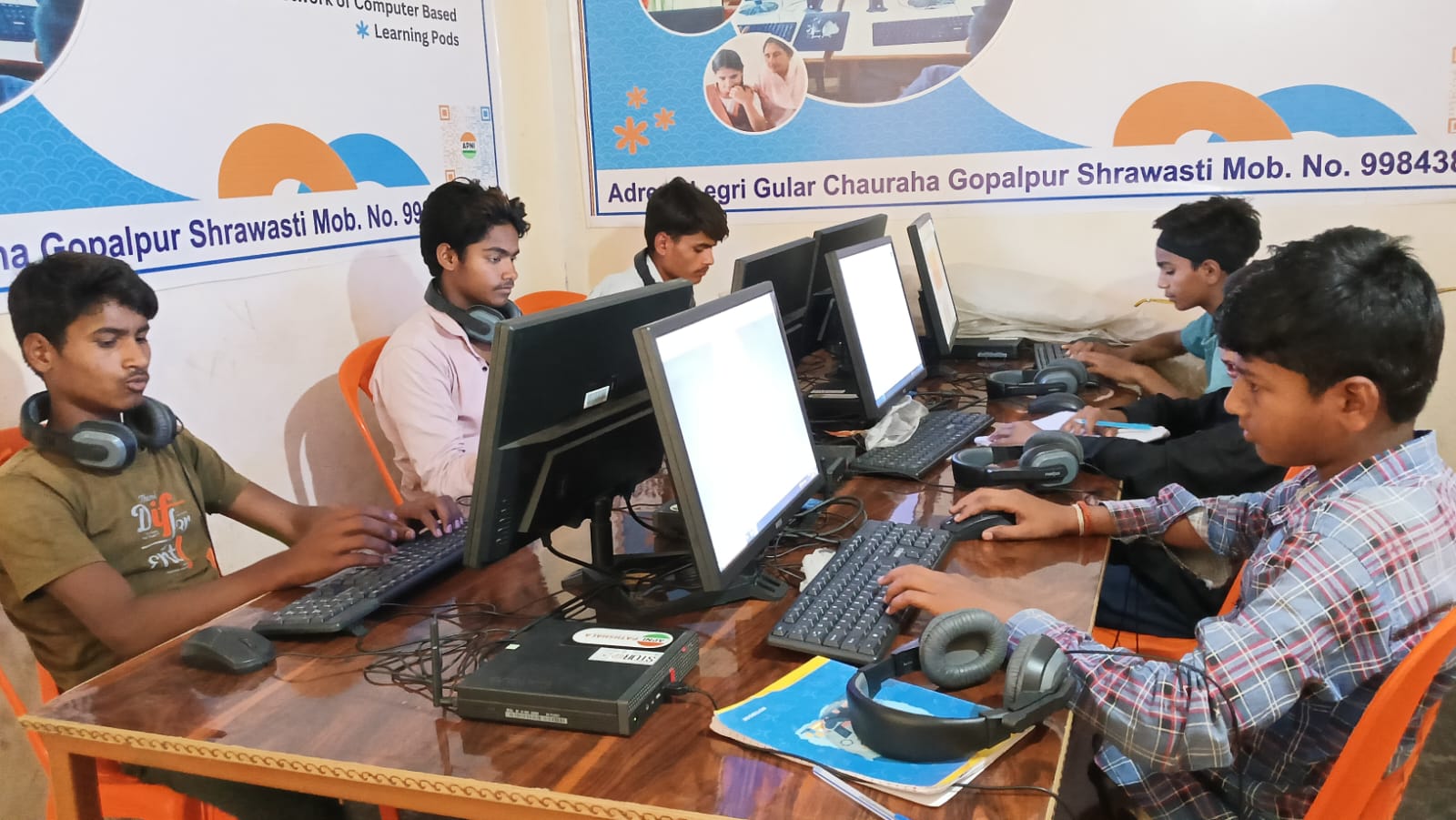
Why Waiting Makes the Gap Worse?
A common belief in many Indian households: “We’ll obtain a computer when they reach Class 9 or 10.” By that point, a student who had access from Class 5 had already built years of digital fluency, independent learning habits, and quiet confidence.
The longer a student goes without the right study tools, the more they adapt around the limitation, borrowing, guessing, and skipping. These workarounds become patterns that are difficult to unlearn, even after the tools finally arrive. The disadvantage compounds silently, year by year.
When a student gets their first device late, they often struggle to use it effectively for learning. The confidence gap is just as real as the skills gap, and it takes time to close both.
Apna PC is built for exactly this situation. At ₹21,000 (shipping and GST excluded), it gives Indian families a complete educational computer, preloaded with learning software, built to last through school years, and priced to be within reach. Discover more about how a personal computer helps students learn and the biggest advantage a student can have today.
If you’re seeing the signs, don’t wait for the next report card. The right tools don’t just improve marks; they change how a student sees themselves as a learner. Visit apnapc.com to learn more.