

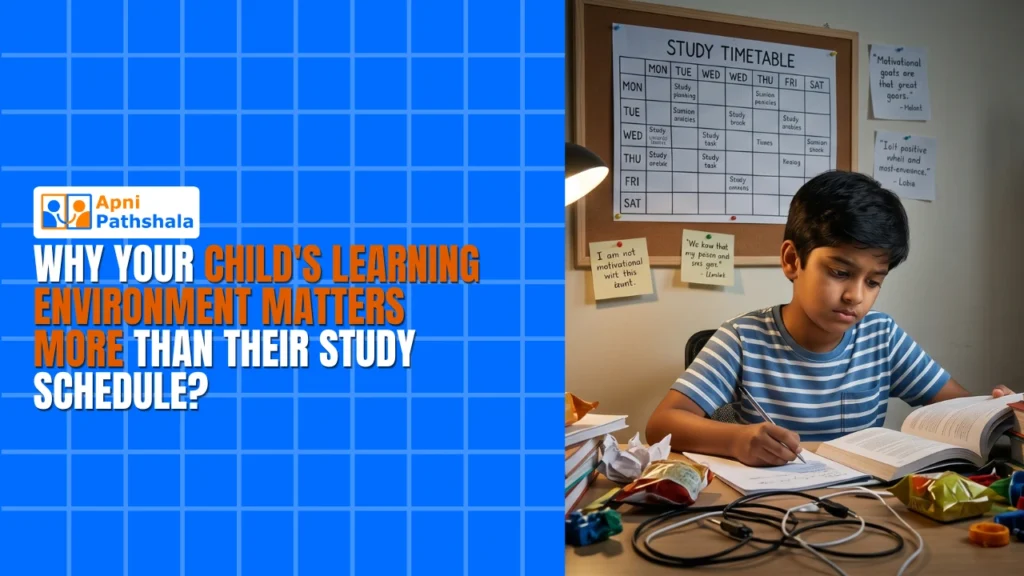
Your child’s learning environment usually matters more than their study schedule, because the space, calm and tools around them decide how well they absorb what they study. A perfect timetable in a noisy, poorly lit room with no way to look things up will keep underdelivering, so check the space before adding hours.
Many parents focus on fixing the timetable, adding study hours, cutting breaks and enforcing stricter routines. Those steps help less than expected when the learning environment is working against the child.
What does a learning environment actually include?
A learning environment covers four things: the physical setup, the emotional climate, access to resources and digital access. Most parents picture a clean desk and good lighting when they think of a study environment at home, and those matter, but the full picture is wider.
- Physical setup: Is the chair supportive, is there enough light and is the workspace free from distracting clutter?
- Emotional climate: Does the child feel safe asking questions, and is the home reasonably calm during study time?
- Access to resources: Do they have books, stationery and, in 2026, a working computer?
- Digital access: Can they look up a concept they did not understand in class, or are they limited to the textbook?
A noisy, poorly lit, low-resource space creates constant friction, and friction gets in the way of focus. For practical ideas, see how to build a productive study corner.
How does the environment shape study habits?
The environment can either support or undermine effective study habits, which depend on more than discipline. When a child studies in the same spot, with the same tools and at a consistent time, settling into focus usually gets quicker.
Now picture the opposite: a student on a shared bed, with a television playing two rooms away and no device to look anything up. They read the same paragraph again and again without it sticking. That is not a lack of intelligence. The environment is simply working against them.
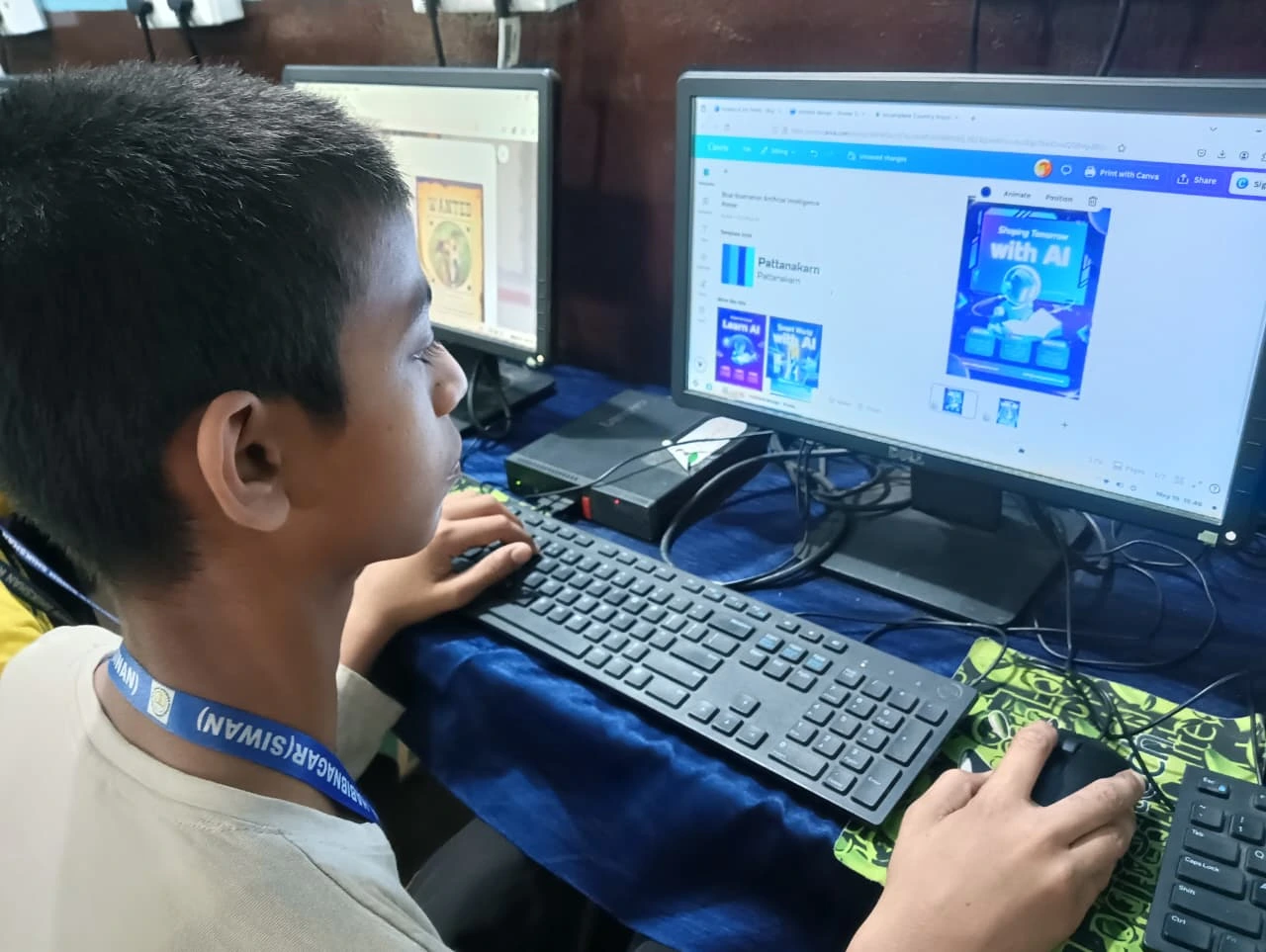
A proper study space paired with a personal computer works the other way. The child knows what to do, where to do it and has the tools to do it, which turns average sessions into productive ones. Our article on attention span and environment explores this further.
Why do Indian students study hard but learn less?
A large part of the answer is the learning environment, or the lack of one. Students put in long hours and parents pay for tuition and guidebooks, yet results often do not match the effort.
In many Tier 2 and Tier 3 city homes, there is no dedicated study corner. Resources are shared between siblings, a single phone handles everything from entertainment to homework, and there is no computer to explore a topic further. The UNICEF India education pages describe the wider access challenges many children face, even when they are motivated and willing to work hard.
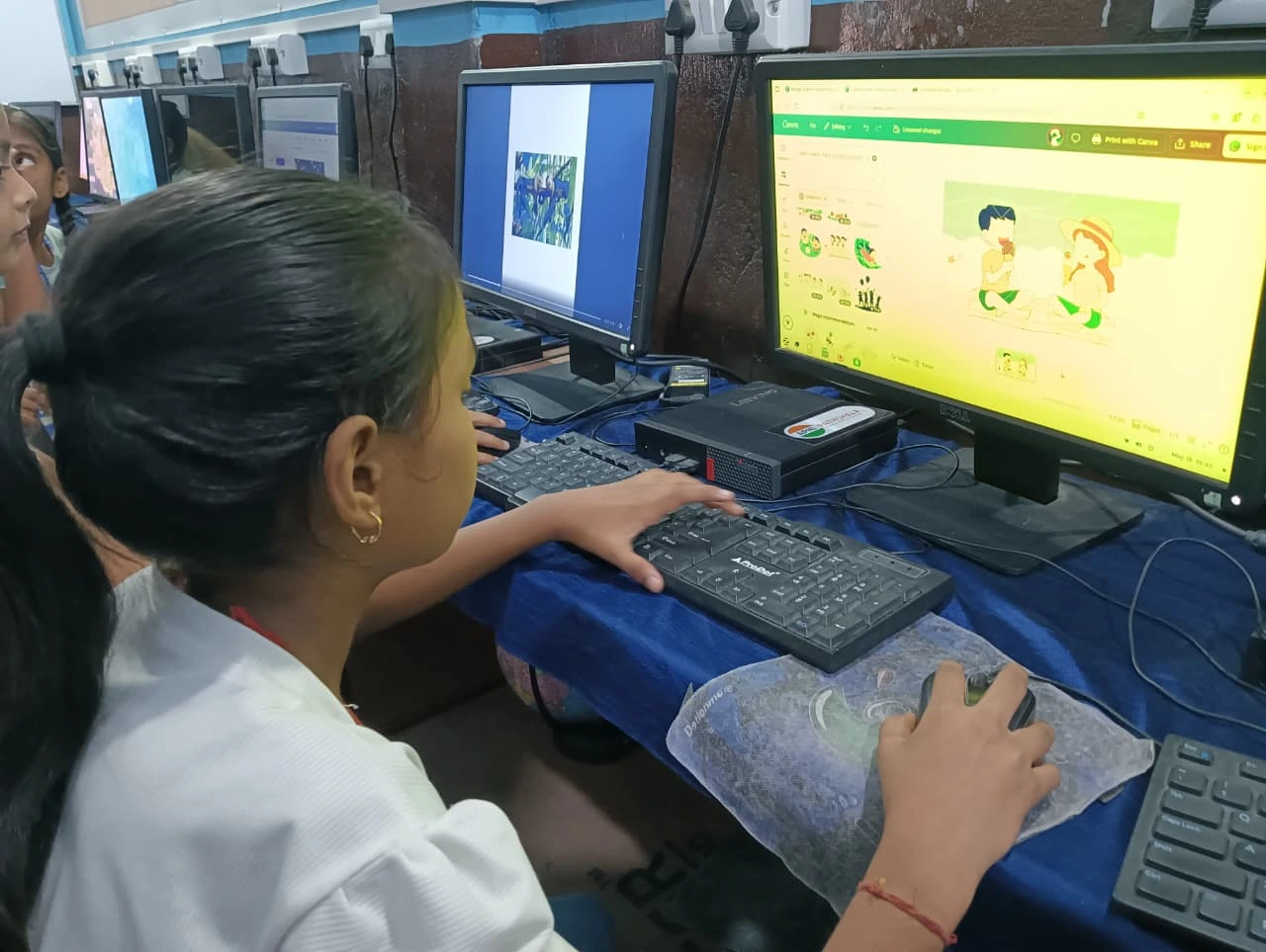
When a student cannot explore beyond the textbook, they study in a closed loop. The timetable might be perfect, but the environment quietly limits what they can achieve.
Schedule or environment: where should parents start?
Start with the environment, then adjust the schedule. Here is how the two compare:
| Fixing the schedule | Fixing the environment | |
|---|---|---|
| What changes | Hours, breaks, timings | Space, calm, tools, access |
| Effect on focus | Limited if the space is distracting | Makes focus easier every session |
| Help when stuck | None added | Computer to look up and practise |
| Best used | After the space is right | First |
How does a computer change the learning environment at home?
A personal computer adds a way to understand, not just a place to study. It changes the learning environment for every student in the family.
A child with their own device can watch a difficult concept explained several ways until one clicks. They can use trusted academic resources from NCERT (National Council of Educational Research and Training) and build typing and productivity skills beyond what the curriculum covers. Read more in Why Every Indian Student Needs Their Own Computer and How a Personal Computer Helps Students Learn.
Apna PC is built for this: a complete computer for Indian students and families, priced at ₹30,000 (shipping and GST excluded). It gives families in smaller cities the learning tools that metro students often take for granted.
Frequently Asked Questions
Where is the best place at home for a child to study?
The best place is a fixed, well-lit spot away from the television and the busiest part of the house. It does not need to be a separate room. A corner with a table, a supportive chair and the computer works well, as long as the child uses the same spot every day.
Does a study timetable still matter?
Yes, a timetable still matters, but it works best once the environment is right. A regular slot helps your child settle into study faster each day. Keep the timetable realistic, with breaks, rather than packing in extra hours that a distracting space will waste anyway.
How can I improve my child’s study environment on a small budget?
Start with free changes: clear the desk, improve the lighting, switch off the television during study time and keep phones away. Then add one useful tool at a time, such as a supportive chair or a shared family computer with a fixed study slot, so the space keeps getting better.
The most important study decision this year is about space, access and the right tools, not only time. Give your child a real learning environment and visit Apna PC to learn more.