

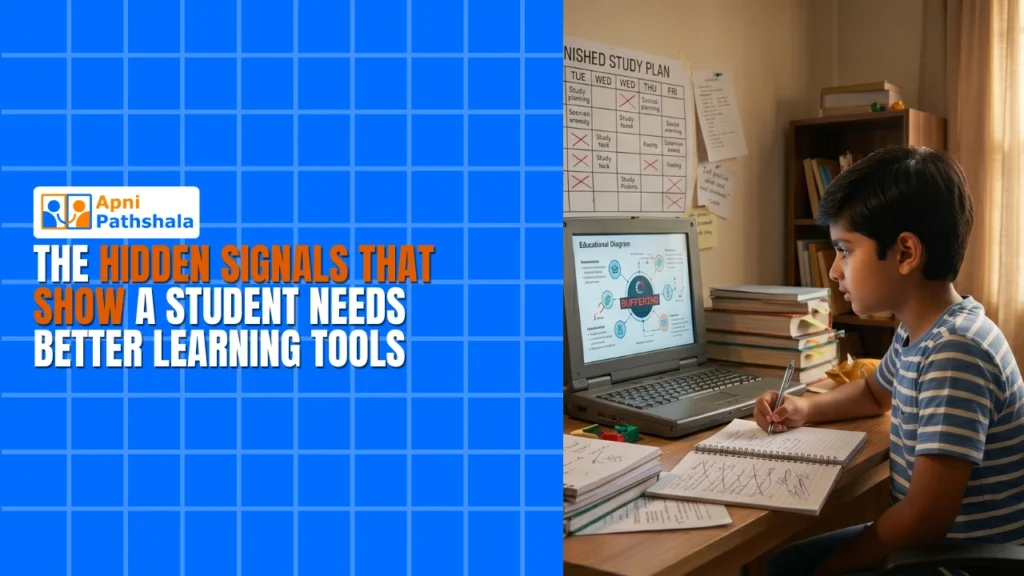
The clearest signals that a student needs better learning tools are quiet ones: homework avoided after school, assignments copied from classmates, projects left untouched and slowly fading interest. When two or more show up together, the problem is usually missing resources, not effort or attention.
These signs rarely arrive as a dramatic failure. They build up slowly, which is why spotting them early can change the direction of a child’s education.
What do learning tools mean for students today?
Today, learning tools for students means more than notebooks and geometry boxes. A personal computer, stable internet, digital textbooks and online practice platforms now shape what a student can actually produce.
A student without these tools is not less intelligent, only less equipped. When one child can rewatch a difficult lesson three times and another must rely on memory, the gap has nothing to do with talent. NCERT (National Council of Educational Research and Training) publishes the learning materials most schools follow, and many of them are now available digitally.
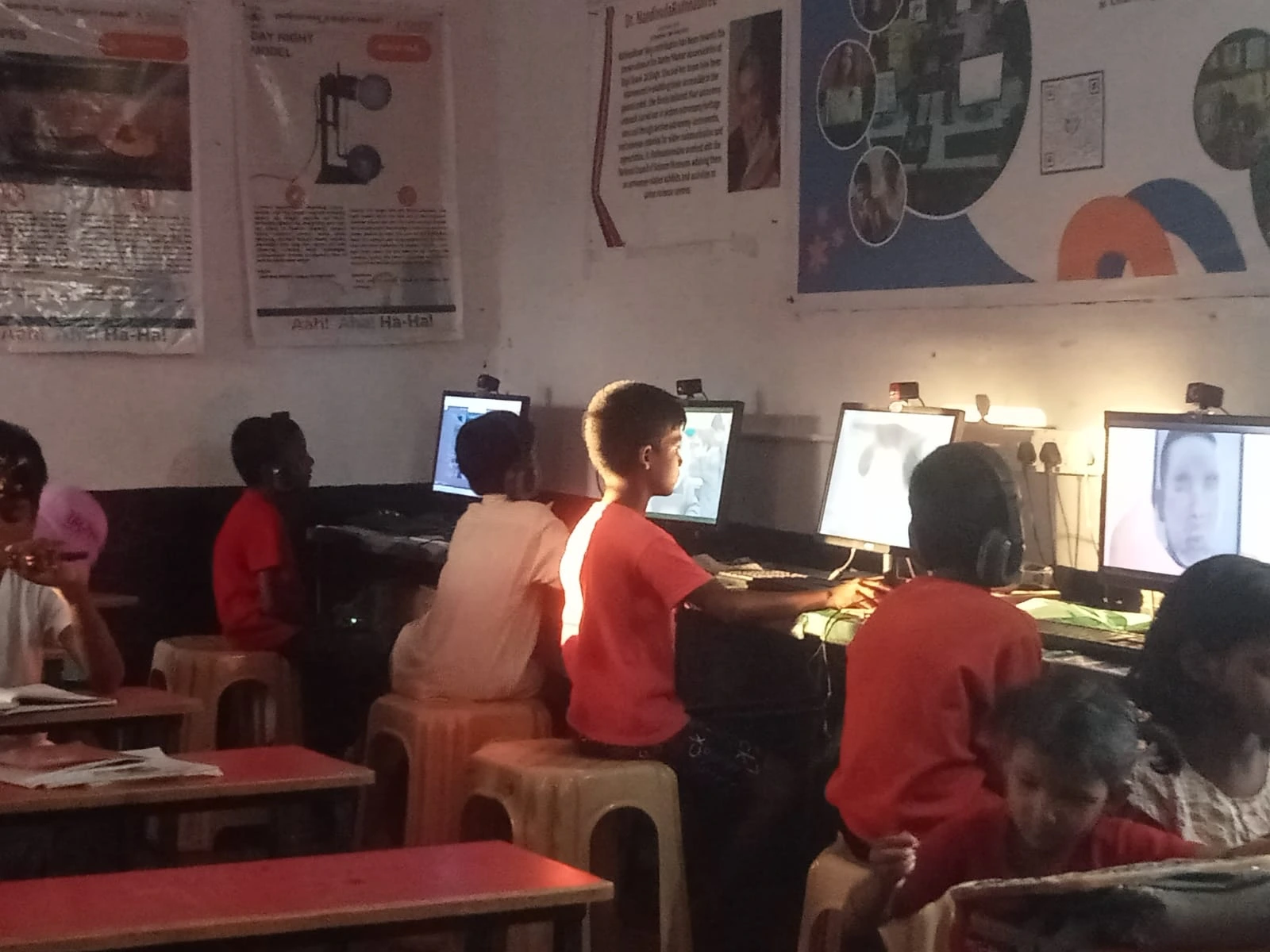
What are the quiet warning signs parents often miss?
Watch for these before marks drop significantly. Each one is a workaround for a real limitation, not a character flaw.
- Avoids homework after school. When a task needs a device they don’t have, students find reasons to delay.
- Copies assignments from classmates. Without digital learning tools, borrowing work becomes problem-solving with limited options.
- Struggles with school projects. Typed reports, internet research and digital presentations are very hard without a computer at home.
- Loses interest gradually. When every task feels harder than it should, motivation drains. Children rarely say they need better tools. They just stop trying.
- Feels anxious before exams. Without resources to revise and practise, they go in underprepared despite wanting to do well.
If you see two or more of these together, the problem is not the student. It is their resources. Our guide on students without digital access covers this in more depth.
How do the right tools change the way a student learns?
The right tools change how a child relates to learning, not just one assignment. With a computer at home, a student can research and check information on their own.
They can use DIKSHA India’s national digital learning platform for free, with NCERT-aligned lessons at any hour. They can practise typing and build the digital skills future employers expect. Most importantly, they learn at their own pace, faster through simple topics and slower through hard ones, without judgement.
Why does depending on someone else’s device hold students back?
Because every task waits for someone else’s schedule. Educational technology tools remove that barrier, so submitting assignments on time, joining digital classes and attempting online tests all become possible.
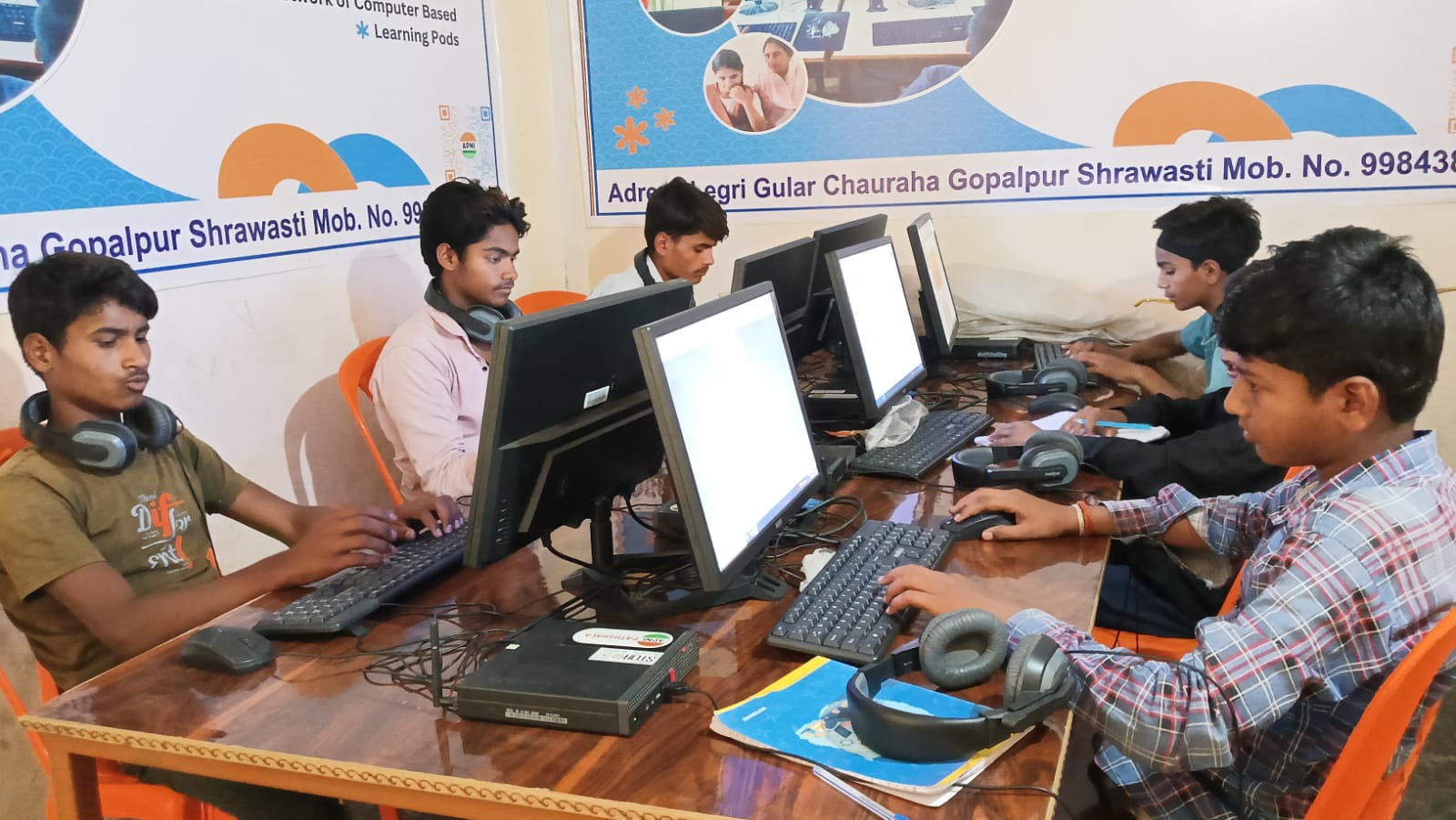
For students in Tier 2 and Tier 3 cities, where coaching is expensive and tutors are hard to find, a computer at home does not replace a teacher. It extends learning beyond school hours. UNESCO’s education pages are a good general read on how access shapes learning. For school-specific help, see how Apna PC makes homework easier.
Why does waiting make the gap worse?
Waiting lets workarounds harden into habits. Many households plan to buy a computer in Class 9 or 10, but a student with access from Class 5 has already built digital fluency, independent study habits and quiet confidence by then.
The longer a student goes without the right tools, the more they borrow, guess and skip. These patterns are hard to unlearn, and a student who gets a first device late often struggles to use it well for study. The confidence gap is as real as the skills gap.
How can Apna PC help a student who shows these signs?
Apna PC gives families a complete study computer at an affordable price. At ₹30,000 (shipping and GST excluded), it comes preloaded with learning software and is built to last through school years.
To see what a device can do beyond schoolwork, read about things students can do with a PC. If you are seeing the signs, don’t wait for the next report card.
Frequently Asked Questions
Is copying homework always a discipline problem?
No. Sometimes a child copies because they have no device to research or type the work themselves. Before treating it as dishonesty, check whether the assignment needs tools your child cannot easily reach at home, such as internet research or a typed report.
Can a phone count as a proper learning tool?
Partly. A phone helps with quick lookups and short videos, but typed reports, digital presentations and longer research are much harder on a small screen. A computer with a keyboard makes these school tasks practical and helps a child build lasting digital skills.
What free study resources can a student use on a computer?
DIKSHA is a free national platform with NCERT-aligned lessons that a student can open at any hour. Many NCERT materials are also available digitally, so a child with a computer at home can revise and practise without waiting for school or coaching.
If your child is showing these signs, visit apnapc.com to see how Apna PC can support their daily study.