

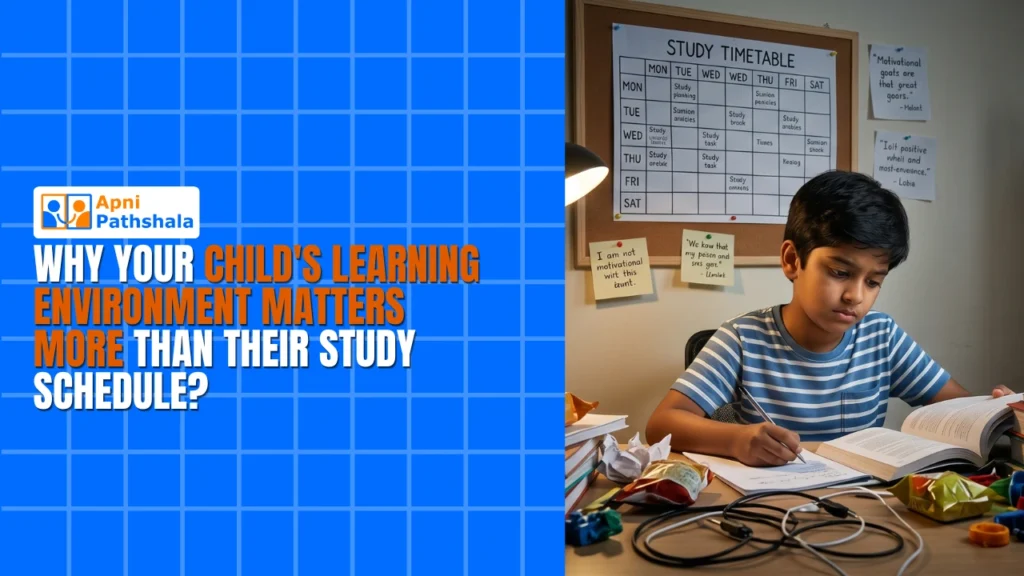
Many Indian parents focus on fixing their child’s timetable, adding more study hours, reducing breaks, and enforcing stricter routines. But there is something they often overlook that matters far more. The learning environment your child sits in every day determines how well they absorb, retain, and apply knowledge. A perfect schedule inside a poor environment will always underdeliver. Before adjusting the clock, take a closer look at the space.
What a Learning Environment Actually Includes?
When parents think about improving their child’s study environment at home, they usually picture a clean desk and good lighting. Those matter. However, the complete picture encompasses more than just these elements.
A real learning environment includes:
- Physical setup — Is the chair supportive? Is there enough light? Is the workspace free from clutter that distracts?
- Emotional climate — Does the child feel safe asking questions without judgment? Is the home reasonably calm during study time?
- Access to resources — Do they have everything they need? Do they have access to books, stationery, and, in 2026, a working computer?
- Digital access — Can they look up a concept they did not understand in class, or are they limited to whatever the textbook says?
Each of these factors shapes how a child’s brain engages with what they are learning. A noisy, poorly lit, low-resource space creates constant friction, and friction is the enemy of focus and understanding.
The environment can either foster or hinder effective study habits.
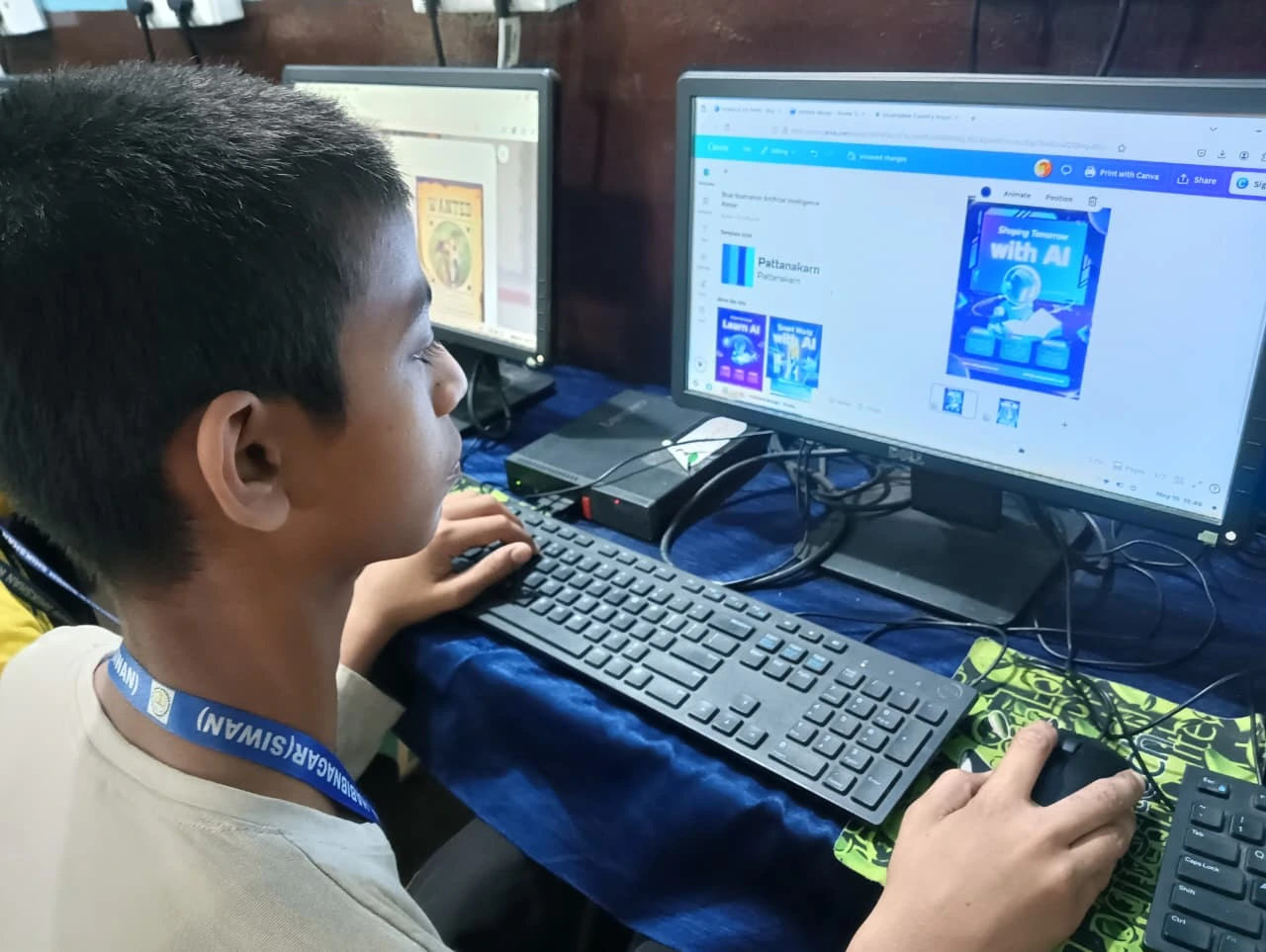
Effective study habits are not just about discipline. They are deeply tied to the environment that surrounds a child during learning time.
The brain responds to patterns. When a child sits in the same spot, with the same tools, at a consistent time, their brain learns to enter focus mode faster. That conditioned response is powerful; it can cut down the time a child spends staring at the page before actually concentrating.
Now reverse that. Imagine a student studying on a shared bed, with background noise from a television two rooms away and no reliable device to look anything up. They read the same paragraph repeatedly without it sticking, not because they lack intelligence, but because the environment is working against their ability to learn. Distraction adds cognitive load. Cognitive load reduces retention.
A proper study space paired with a personal computer creates a compound effect. The child knows what to do and where to do it and has the tools to actually do it. That combination is what turns average study sessions into genuinely productive ones.
Why Indian Students Study Hard but Learn Less?
This situation is one of the most frustrating realities in Indian education today. Students are dedicating significant time to their studies. Parents are sacrificing for tuition fees and guidebooks. And yet results often do not match the effort.
A large part of the reason is the learning environment, or the lack of one.
In many Tier 2 and Tier 3 city homes, there is no dedicated study corner. Resources are shared between siblings. A single phone does everything from entertainment to homework help. There is no computer to go deeper on a topic, to practice through interactive tools, or to access the wide range of digital learning that is now available. According to the UNICEF India education report, access gaps in learning tools are a primary driver of student disengagement, even among children stuck motivated and willing to work hard.
When a student is unable to explore beyond the textbook, they are studying in a closed loop. Their timetable might be perfect. But their environment is quietly capping their potential.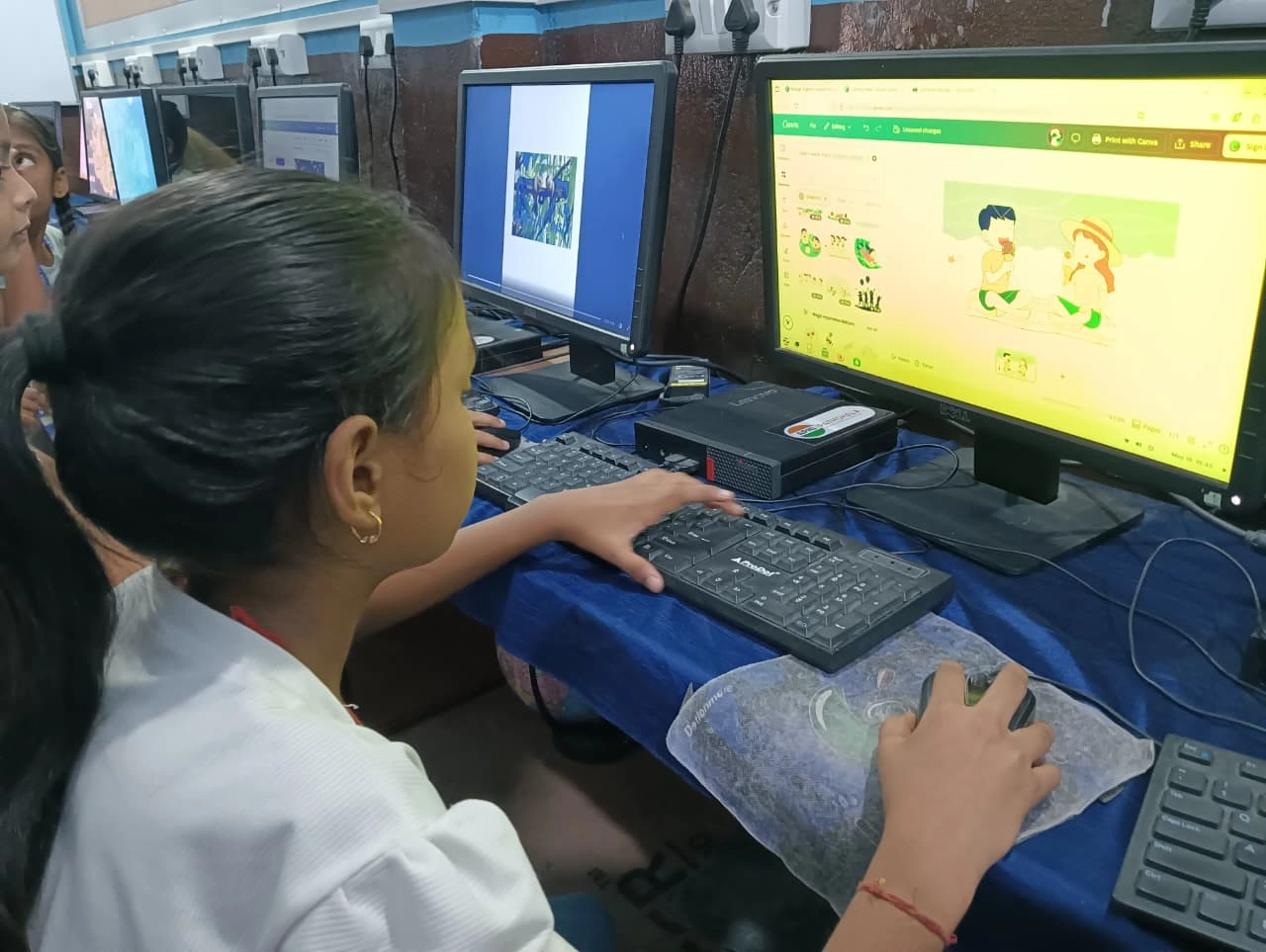
How a Computer Transforms the Learning Environment at Home
Bringing a personal computer into the home is not just a technology upgrade. It fundamentally changes the learning environment for every student in the family.
A child with their device can watch a difficult concept explained in multiple ways until one clicks. They can access trusted academic resources from NCERT (National Council of Educational Research and Training). They can build typing and productivity skills that go far beyond what their school curriculum covers.
Explore how this program works in practice: Why Every Indian Student Needs Their Own Computer and How a Personal Computer Helps Students Learn.
Apna PC is built for exactly this, a complete computer solution designed for Indian students and families, priced at ₹21,000 (shipping and GST excluded). Families in smaller cities can now access the same learning infrastructure that students in metro schools have always taken for granted.
This year, the most important study decision for your child is not about time, but about space, access, and the right tools. Give them a real learning environment, and the results will follow. Visit apnapc.com to learn more.