

Future job skills are not about memorizing the right answers. They involve learning to learn, adapt to change, and use technology to solve real problems. A student who knows how to research online, organize information, create a clean presentation, or write a few lines of code is already ahead of most of their peers.
Educators and researchers worldwide point to critical thinking, collaboration, problem-solving, and digital literacy as the core capabilities that will define the workforce of tomorrow. These don’t develop by reading a textbook once. They build through repeated, hands-on practice.
This is exactly why computer skills for students matter so much and why they matter now. When young people spend regular time working on a computer, they quietly develop the mindset and habits that future workplaces will reward.
Consider it this way: a student spending an hour on a computer today is building skills for a job they might hold in 2032. That job may not have a name yet. But the abilities being built, to research, organize, present, and create, will almost certainly be needed for it.
How a Computer Builds Future-Ready Skills Every Day
Most parents don’t realize how much real-world skill development happens before any formal class starts. When a student opens a document and writes an essay, builds a slideshow for school, works through a spreadsheet, or searches for credible sources online, they are learning. Not just academic knowledge. Practical career skills.
A computer at home gives students the freedom to practice at their pace, on their own schedule, without waiting for a school lab to open:
-
Exploring beyond the syllabus—Online courses, tutorials, and educational platforms cover everything from science to design to coding, and they’re always accessible.
-
Typing and document formatting — A basic skill, but essential in nearly every professional setting
-
Productivity tools like MS Word, Excel, and Google Docs—Used daily in offices, hospitals, schools, and government departments
-
Beginner coding and digital design — Even a small head start here opens doors no traditional subject can
These are future-ready skills that most colleges still teach too slowly. Students who build these habits at home enter higher education and the job market, with a real, practical advantage over those who haven’t built them.
Whether a student wants to go into management, medicine, teaching, engineering, or business, technology will be part of their daily work. Starting early at home is no longer a bonus. It is a baseline.
According to the UNICEF India education report, technology access directly shapes how well a child can participate in today’s education system and tomorrow’s economy.
Why Are Digital Skills for Students a Priority in India Right Now?
India is growing fast. Government digitization, health tech, fintech, logistics, ed-tech, and local businesses are creating millions of roles every year, and the majority of them will require workers who are comfortable with digital skills for students entering the workforce over the next 5 to 10 years.
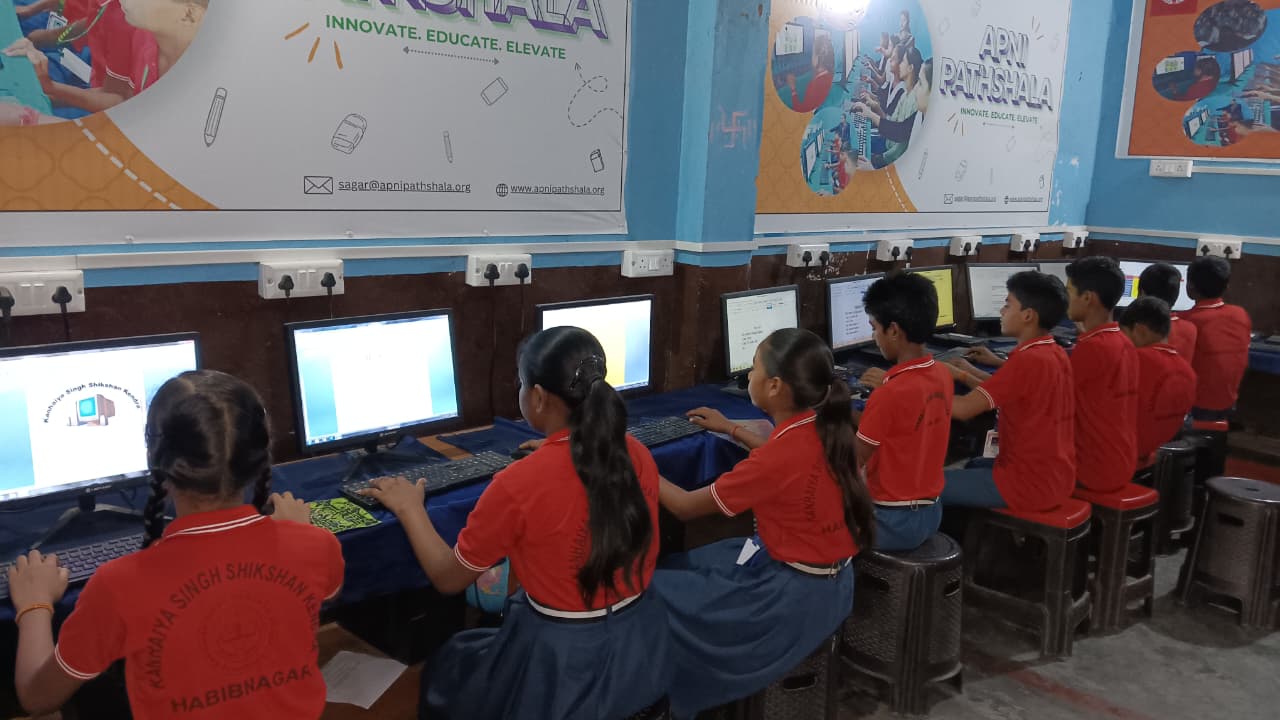
The gap is real. Many students from Tier 2 and Tier 3 cities have smartphones but not computers. Smartphones are useful, but they can’t teach you how to manage a spreadsheet, write a formal report, build a file system, or run the kind of desktop applications that every modern workplace depends on. Those skills need a full keyboard and a proper screen.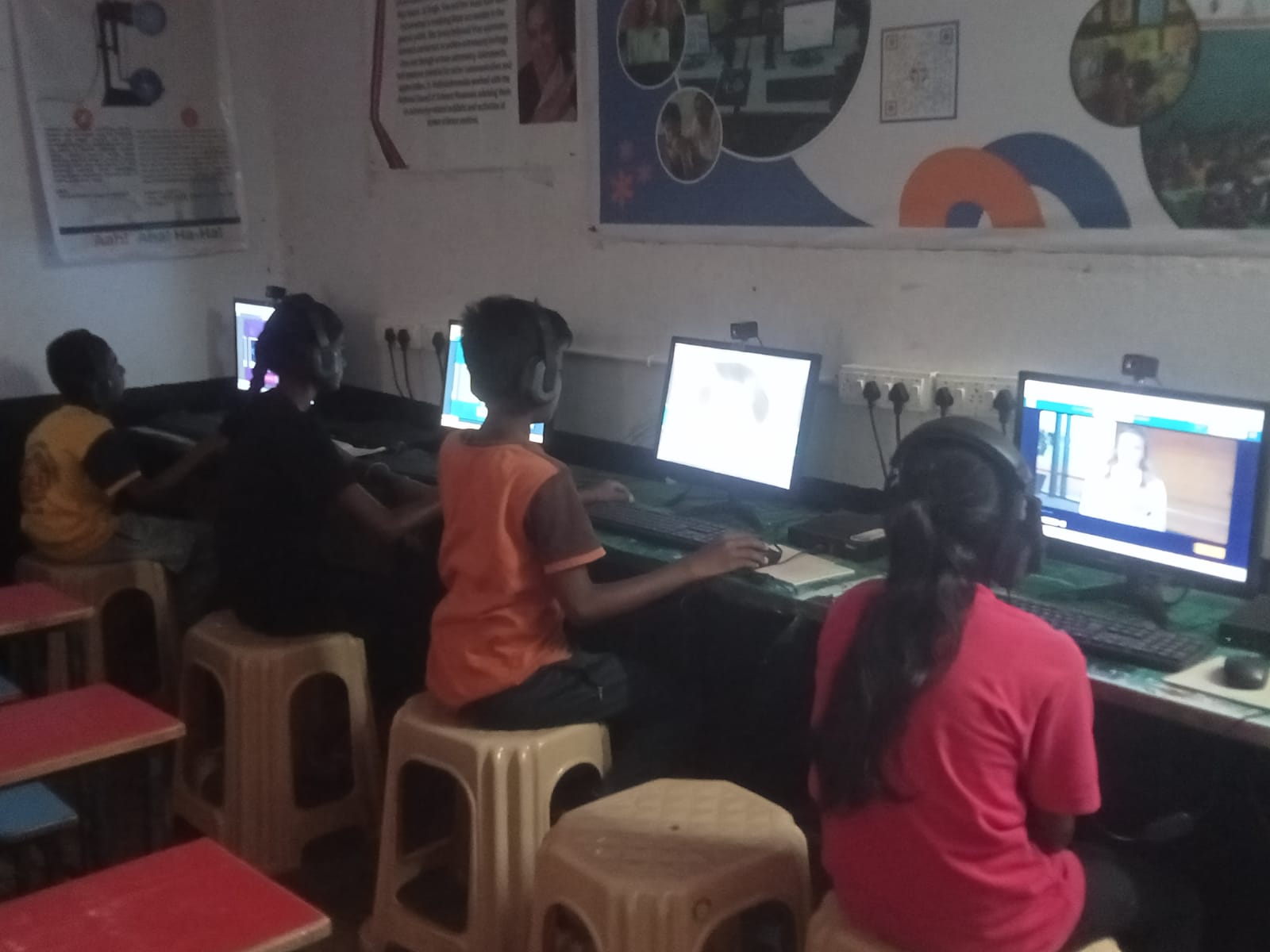
The Central Board of Secondary Education (CBSE) has already made IT learning a formal part of its school curriculum, but without a device at home, students can’t practice what the syllabus expects them to know.
A computer doesn’t guarantee success. But lacking one, when others do, creates a gap that becomes very hard to close once a student falls behind.
The families who invest in a home computer today are investing in their child’s ability to keep up and stay ahead, no matter how the economy evolves.
Apna PC: Designed for the Students of Tomorrow
What Is Apna PC? answers this access gap directly. Apna PC is a full educational computer built for Indian students, complete with a keyboard, mouse, and all the hardware needed to start learning right away.
Priced at ₹21,000 (shipping and GST excluded), it includes access to Apni Pathshala, Eklavya, and Apni Prerna, three platforms designed for academics, skill development, and digital learning in one complete bundle.
The biggest advantage a student can have today isn’t marks. It’s adaptability. And adaptability is built through practice, exploration, and comfort with the tools the real world uses every day.
If you want your child ready for a future where tomorrow’s jobs haven’t been named yet, the first step is simple: give them the computer to start exploring today. Visit apnapc.com to learn more.