

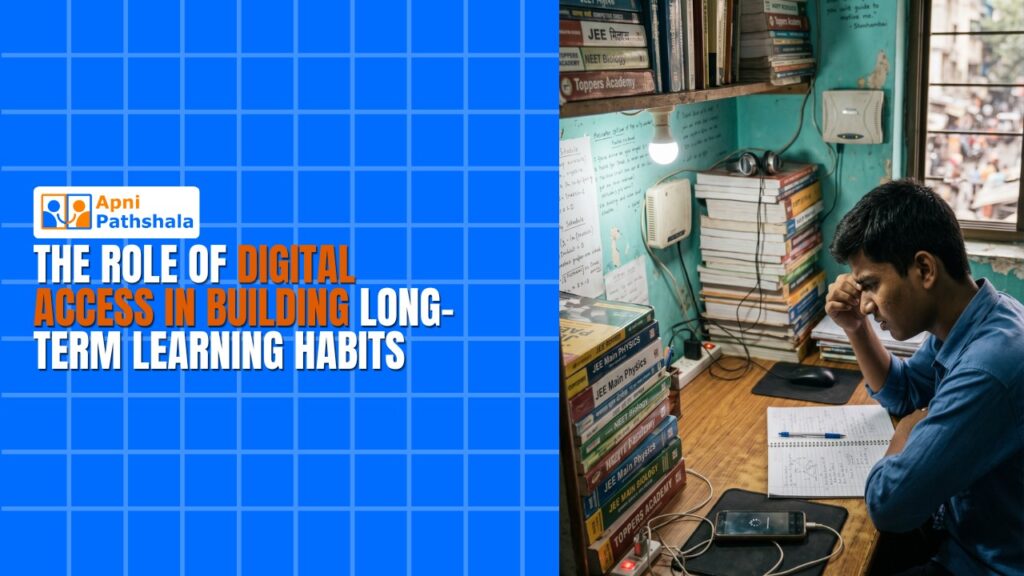
Priya is 13. She lives in a two-room house in Nagpur with her parents and younger brother. Last year, her family got a computer, a refurbished desktop that sits on a small table in the corner of the main room.
Within three months, something quiet happened. Priya started finishing her homework before dinner. She began keeping a notebook next to the computer to write down things she wanted to look up. She asked her teacher better questions in class, because she had already read ahead the night before.
Nobody told her to do any of this. This access created the habit. The habit created the student.
Why Do Habits Matter More Than Effort?
Most conversations about student performance focus on effort. Study harder. Pay more attention. Spend more time on the books. But effort is unreliable. It rises and falls with mood, with stress, and with how much sleep a student receives. Learning habits for students are different; they don’t depend on motivation. Once established, they operate independently.
A student who has built the habit of reviewing notes every evening doesn’t have to decide to do it. They just do it. That consistency, not exceptional effort on exam days, is what separates students who grow steadily from those who cram and forget.
The question, then, is what builds habits? The answer is almost always the same. Environment does.
How Digital Access Changes the Environment
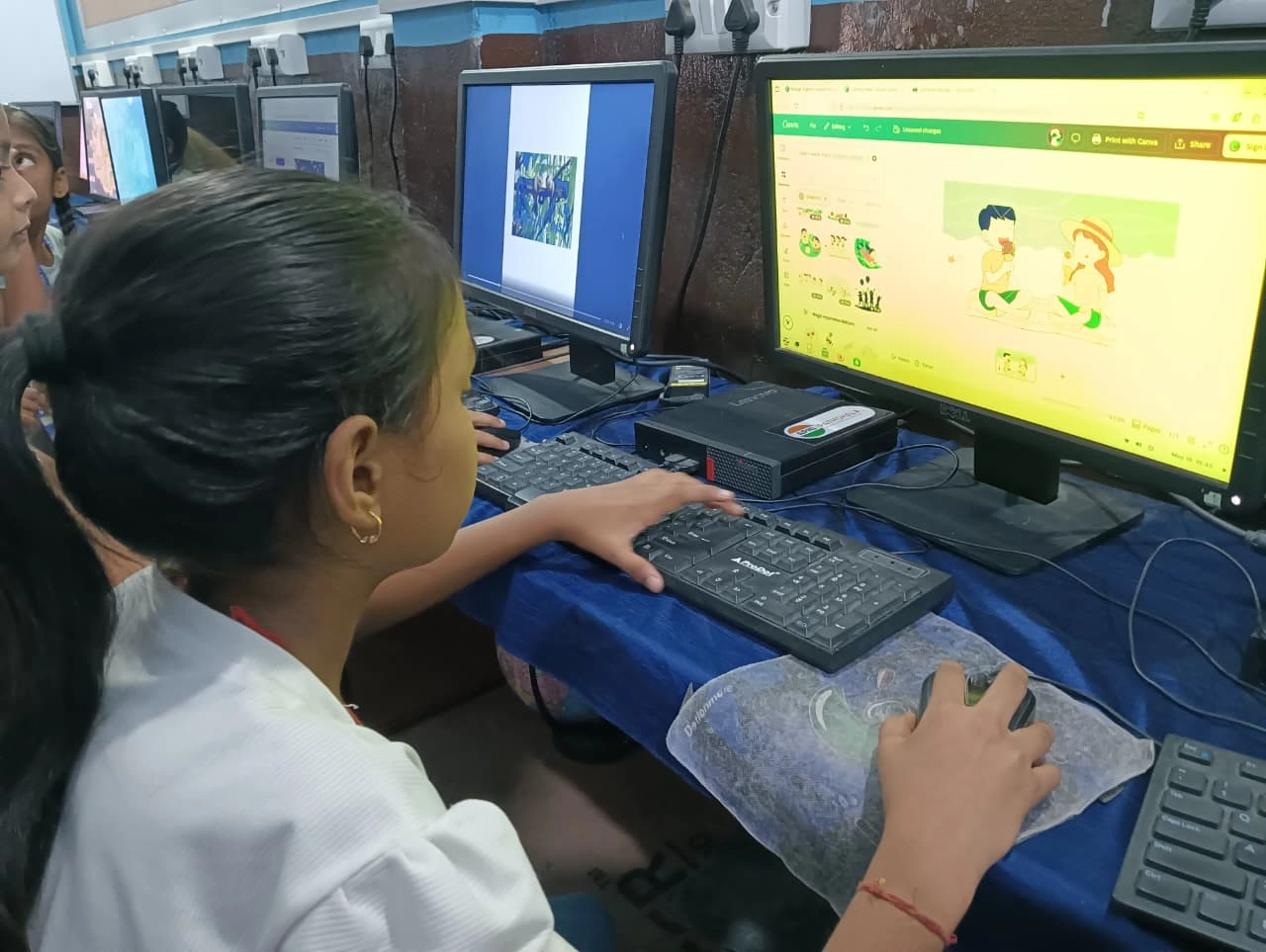
Before Priya had a computer, her study environment was a textbook, a notebook, and whatever her teacher had said that day. When something didn’t make sense, she had no way to explore it. The question would sit unanswered, and over time she learned to let confusing things go rather than pursue them.
After the computer arrived, that changed. A confusing concept became a search. A search became a video explanation. A video became a clearer understanding. And a clearer understanding became confidence, the kind that makes a student lean into learning rather than away from it.
This approach is what digital learning for students actually does at its best. It doesn’t replace effort. It removes the friction that stops effort from becoming habit. When a student can act on curiosity immediately, at 8 PM, at home, without waiting for the next school day, it stops being frustrating and becomes rewarding. Learn more: How a Personal Computer Helps Students Learn beyond the classroom.
The Habits That Digital Access Makes Possible
Some study habits are difficult to build without a device. Others become nearly automatic once one is available.
Daily review: Students with home computers can revisit the day’s lessons using resources like Khan Academy or NCERT e-Pathshala. This kind of spaced repetition, reviewing material shortly after first learning it, is one of the most well-researched methods for building long-term retention. However, access to the material is necessary for this process to occur. Without a device, it simply doesn’t happen.
Self-directed learning: When a student reads about photosynthesis and wonders how plants survive in low-light conditions, they can follow that question. This isn’t distraction; it’s intellectual habit formation. Students who regularly follow their curiosity build the skill of independent research, which becomes one of the most important long-term learning skills they will carry into college and work.
Organized note-keeping: Digital tools teach structure. A student who saves notes in folders, organizes their assignments by subject, and keeps track of deadlines using a simple calendar is building the kind of system thinking that most adults struggle to develop later in life.
Consistent timing: Students who use a computer for studying tend to develop a regular study schedule naturally, because the device itself creates a ritual. Sitting down at the computer in the evening becomes associated with studying, and that association deepens with repetition.
Study Habits Improvement Requires Consistency, Not Intensity
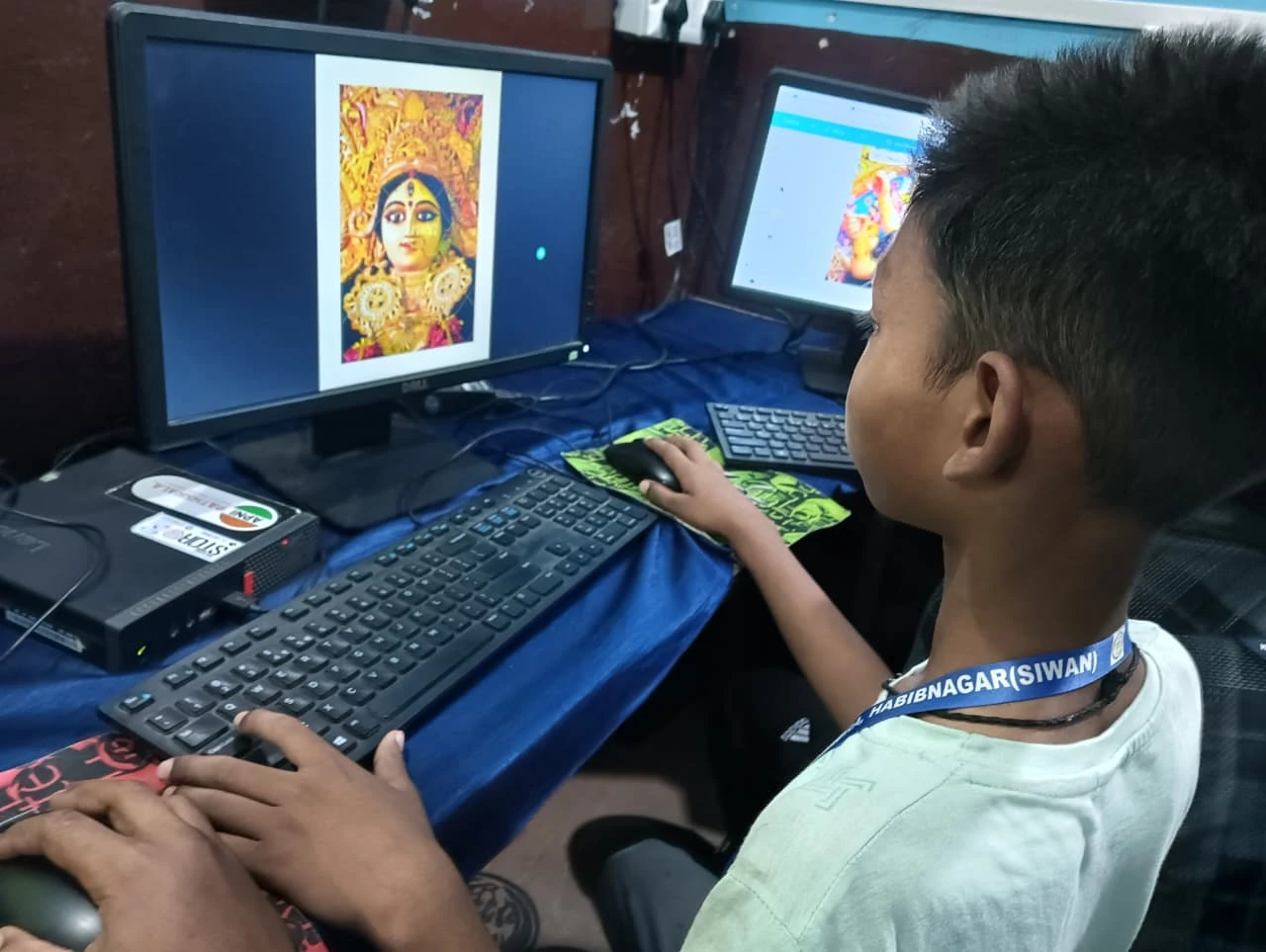
There is a common misunderstanding about what successful students do. People assume they study for long hours, in one concentrated burst, usually the night before an exam. The research says the opposite. Study habit improvement comes from shorter, consistent sessions repeated over time, not from occasional marathon efforts.
A student who studies for 40 minutes every evening, five days a week, will retain far more than a student who studies for five hours once a week. This isn’t a motivational claim. It’s how memory consolidation actually works: the brain strengthens pathways through repeated activation, not through a single intense pass.
A home computer makes this consistency possible. It provides a fixed place and context for learning. Over time, that context becomes the trigger. The habit doesn’t need willpower to be sustained; the environment sustains it.
Access Is the Starting Point, Not the Reward
There’s a tendency in many households to treat a computer as something a child earns, a reward for excellent grades, a prize for reaching some milestone. The logic seems sound. In practice, this approach reverses the intended order of priorities.
Good grades are often the product of consistent habits. Consistent habits are built with consistent access. Withholding access until performance improves is like asking someone to get fit before giving them running shoes.
The families who have seen the biggest difference, students whose learning genuinely transformed, are the ones who provided digital access early and let the environment do its work. The habits followed. The results followed the habits. That head start is, in fact, the biggest advantage a student can have today.
That’s what learning habits for students are built on: not willpower, not pressure, but a home environment that makes daily learning the natural, effortless choice.
Ready to build that environment? Visit Apna PC, education-focused computers designed for Indian students, priced for Indian families.