

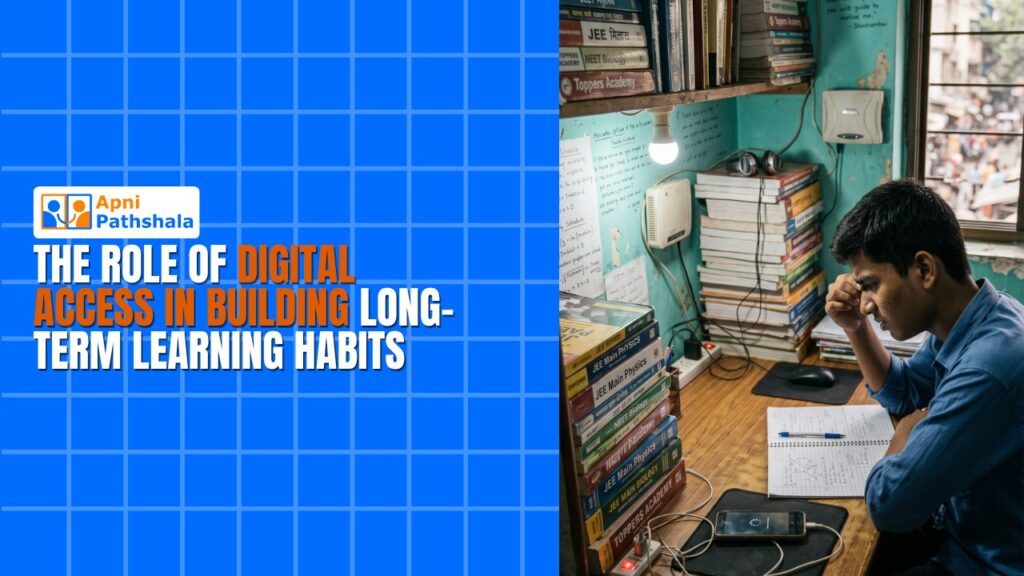
Digital access helps students build long-term learning habits by giving them a fixed place and time to study, and a way to act on questions the moment they arise. When review, research and note-keeping are easy every evening, they turn into routine instead of depending on daily motivation.
For example, a Class 8 student with a family computer in the corner of the main room might start finishing homework before dinner and reading ahead for tomorrow’s class, without being told to. The access created the habit.
Why do study habits matter more than effort?
Habits matter more because effort is unreliable, while habits keep working on bad days too. Effort rises and falls with mood, stress and sleep.
Learning habits for students do not depend on motivation. A student who reviews notes every evening does not have to decide to do it each day. That steady consistency, not a big push on exam day, is what separates students who grow steadily from those who cram and forget.
So what builds habits? Almost always, the environment does.
How does a home computer change the study environment?
A home computer turns a confusing question into something a student can explore straight away. Without one, the study environment is a textbook, a notebook and whatever the teacher said that day.
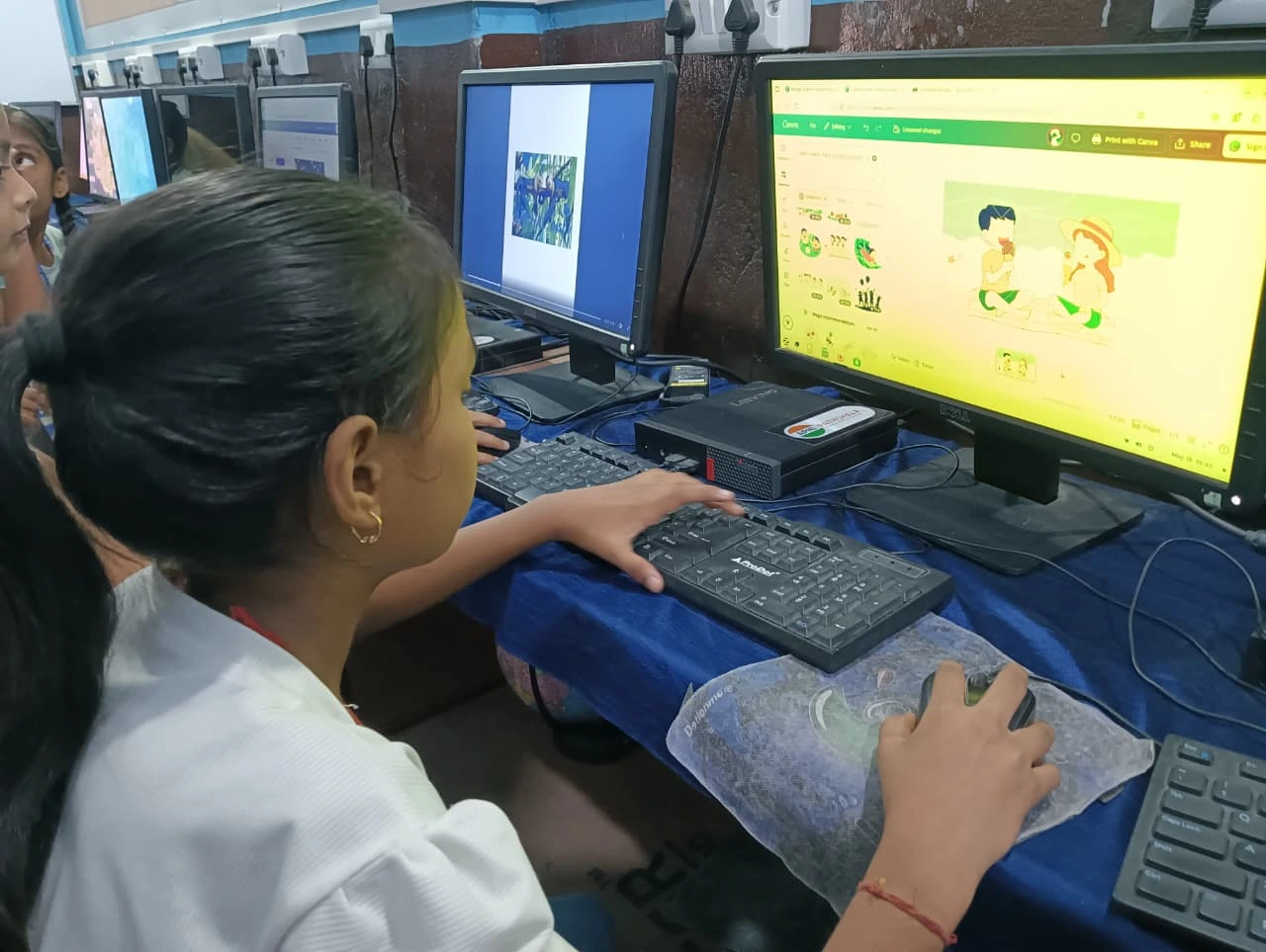
Without a device, an unanswered question just sits there, and over time the student learns to let confusing things go. With one, a confusing concept becomes a search, the search becomes a video explanation, and the explanation becomes understanding and confidence.
This is what digital learning for students does at its best. It does not replace effort. It removes the friction that stops effort from becoming habit, because the student can act on curiosity at 8 PM at home instead of waiting for the next school day. Learn more: How a Personal Computer Helps Students Learn beyond the classroom.
Which study habits does digital access make possible?
Four habits become much easier once a student has a device at home. Some are hard to build without one, while others become almost automatic.
- Daily review: Students can revisit the day’s lessons using resources like Khan Academy or NCERT e-Pathshala. Reviewing material soon after first learning it helps it stick, but only if the material is available. Without a device, this review simply does not happen.
- Self-directed learning: A student who reads about photosynthesis and wonders how plants survive in low light can follow that question. This is not distraction. Following curiosity builds independent research skills, one of the most useful long-term learning skills for college and work.
- Organised note-keeping: Saving notes in folders, sorting assignments by subject and tracking deadlines on a simple calendar builds the kind of system thinking many adults struggle to learn later.
- Consistent timing: Sitting down at the computer each evening becomes a ritual linked with studying, and that link gets stronger with repetition.
For practical steps, see our guide on building a digital study routine.
Is studying a little every day better than long sessions?
Yes, for most students short daily sessions work better than occasional long ones. Many people assume successful students study for hours in one burst, often the night before an exam, but steady practice is what builds lasting study habit improvement.
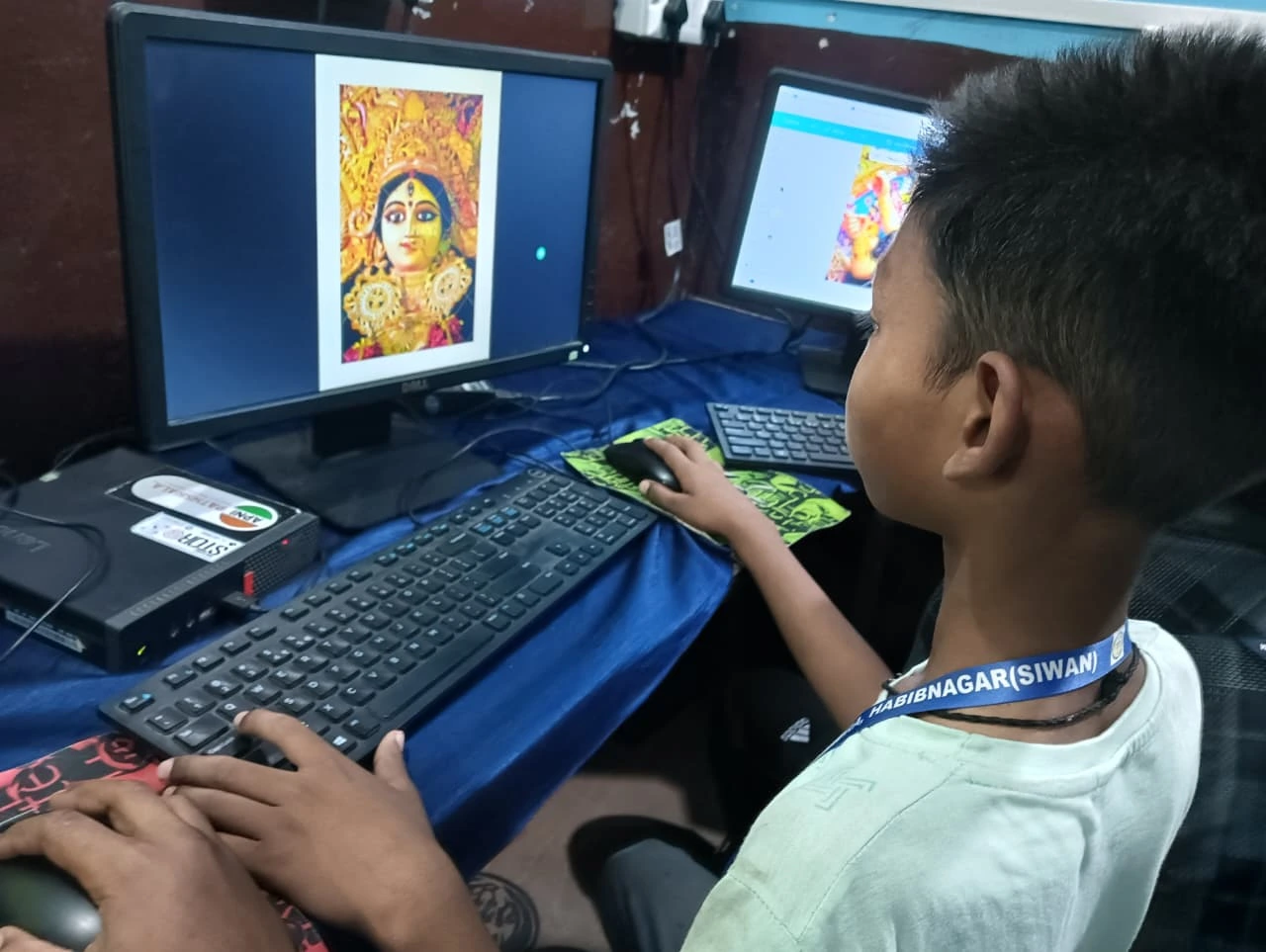
A student who studies for 40 minutes every evening, five days a week, usually remembers far more than one who studies for five hours once a week. Repeating material over several days gives the brain more chances to strengthen what it has learned.
A home computer makes this consistency possible. It provides a fixed place and context for learning, and over time that context becomes the trigger. The environment, not willpower, keeps the habit going.
Should a computer be a reward for good marks?
No. Access should come first, because good marks usually follow consistent habits, and habits need consistent access. Many households treat a computer as a prize for excellent grades, which reverses the order.
Withholding access until performance improves is like asking someone to get fit before giving them running shoes. Families who see the biggest difference provide access early and let the environment do its work. The habits follow, and results follow the habits. That head start is the biggest advantage a student can have today.
What do strong learning habits really depend on?
Strong learning habits depend on a home environment that makes daily learning the easy choice, not on willpower or pressure. Our article on independent learning habits covers how this plays out over a school year.
Frequently Asked Questions
How long does it take for a study habit to form?
It varies from child to child, but most parents notice a routine settling within a few weeks of daily practice. The key is keeping the same time and place each day. Missing an occasional day is fine, as long as the student returns to the routine the next evening.
Can a child build study habits on a shared family computer?
Yes, a shared computer can work if the child gets a fixed, protected slot each day. Problems start when study time keeps getting pushed aside for other family use. A regular slot, such as 7 to 8 PM every weekday, gives the habit the consistency it needs to grow.
What is the best time of day for a child to study on a computer?
The best time is whatever slot your child can keep every day. Many students review lessons in the early evening, after a short break from school and before dinner. Morning sessions suit others. Consistency matters more than the exact hour, so pick a time that fits family life.
Ready to build that environment? Visit Apna PC for education-focused computers designed for Indian students and priced for Indian families.