

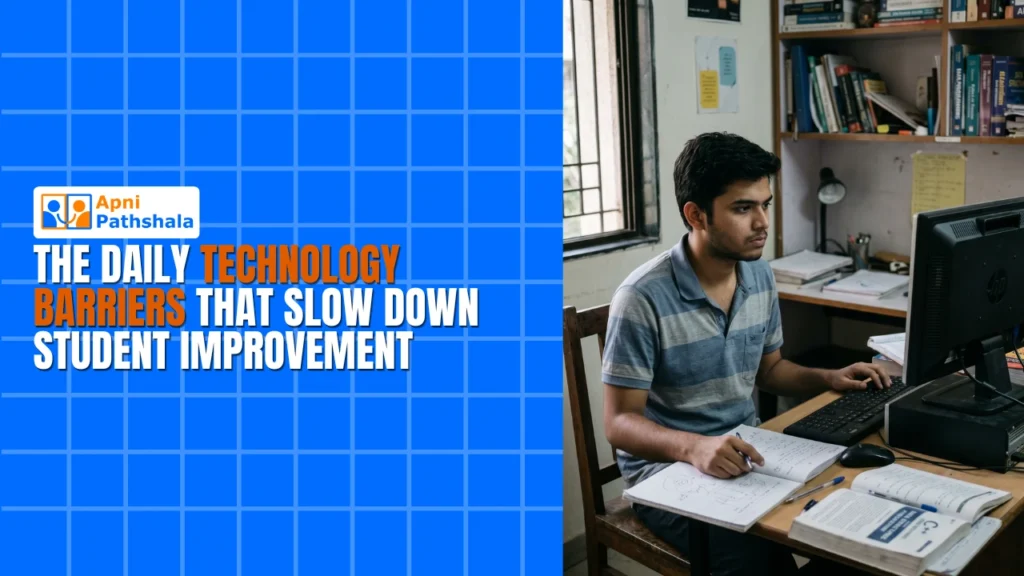
Every day, thousands of Indian students sit down to study and hit an invisible wall. Not because they lack intelligence or effort, but because of learning barriers that quietly slow them down. A slow internet connection. They lack a device to practice on at home. They lack access to the tools that their classmates use. These are not small inconveniences. They are daily obstacles that accumulate to months of lost progress each year. Removing these barriers is not about motivation. It is about giving students the right environment to grow.
What Makes Technology Challenges in Education So Damaging?
Technology challenges in education don’t feel dramatic at first. They creep in slowly: a missed assignment because the video wouldn’t load, a concept left unclear because there was no resource to check. Students in Tier 2 and Tier 3 cities often share one phone between two or three siblings. That one phone becomes the study tool, entertainment device, and communication tool for everyone at once.
According to UNESCO global education research, students who lack consistent access to digital tools perform significantly below peers who have regular device access. The gap isn’t about natural talent. It is about tools, and who has them.
When a student has no dedicated device, every study session becomes a negotiation. “Can I use the phone now?” “Is the data running out?” “Can I download this PDF before my brother needs the phone back?” These small interruptions destroy concentration. And without sustained focus, real learning simply does not happen.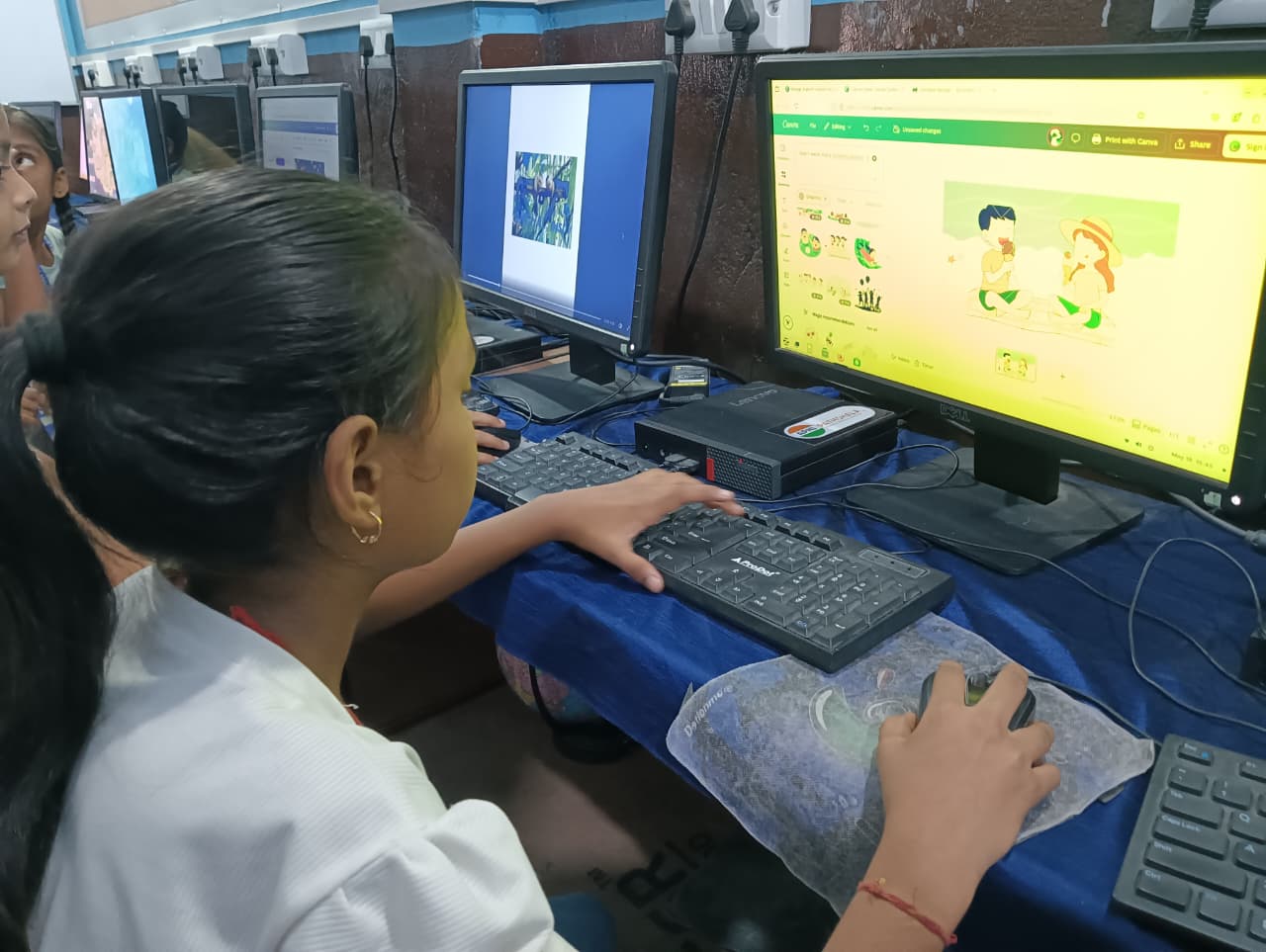
The Digital Learning Problems Students Face Every Day
Digital learning problems extend beyond the lack of a computer. They appear in dozens of small, frustrating ways that students and parents rarely talk about openly.
A student cannot revise the night before an exam because the family phone is in use. A tutorial video buffers endlessly because mobile data is nearly finished. An important diagram in a PDF is too small to read on a 6-inch screen. An assignment requires typing, but the student has never used a keyboard properly and wastes 40 minutes on a task that should take 10.
These are not rare situations. They happen every single day in millions of homes across India. Students who have access to DIKSHA, India’s national digital learning platform, can access curriculum-aligned content directly from NCERT. But that content delivers its full value on a proper computer, not a shared phone with limited storage, poor battery life, and constant interruptions.
Here are some student improvement tips that address the root cause of the issue
There are student improvement tips that actually resolve the problem rather than work around it. The most effective ones focus on removing the barrier entirely, not managing it.
Give students a dedicated device. A student who studies on the same device every day builds habits and consistency. They know where their files are, how to navigate their learning tools, and how to stay focused. Shared devices constantly reset this rhythm.
Separate study space from entertainment. When a child uses the same phone for YouTube, gaming, and homework, focus becomes almost impossible. A dedicated computer used for study purposes creates a different mental association. Sitting down to it signals that the time has come to study.
Establish a simple daily routine. Even 45 to 60 minutes of focused study on a proper device, free from notifications and sibling interruptions, produces better results than three hours of broken effort on a shared phone. Routine builds momentum, and energy builds results.
Use platforms built for Indian students. Learning platforms like DIKSHA are designed around the Indian curriculum. Their videos, exercises, and documents work best when viewed on a proper screen with stable connectivity, not a phone balancing on someone’s knee between two other tasks.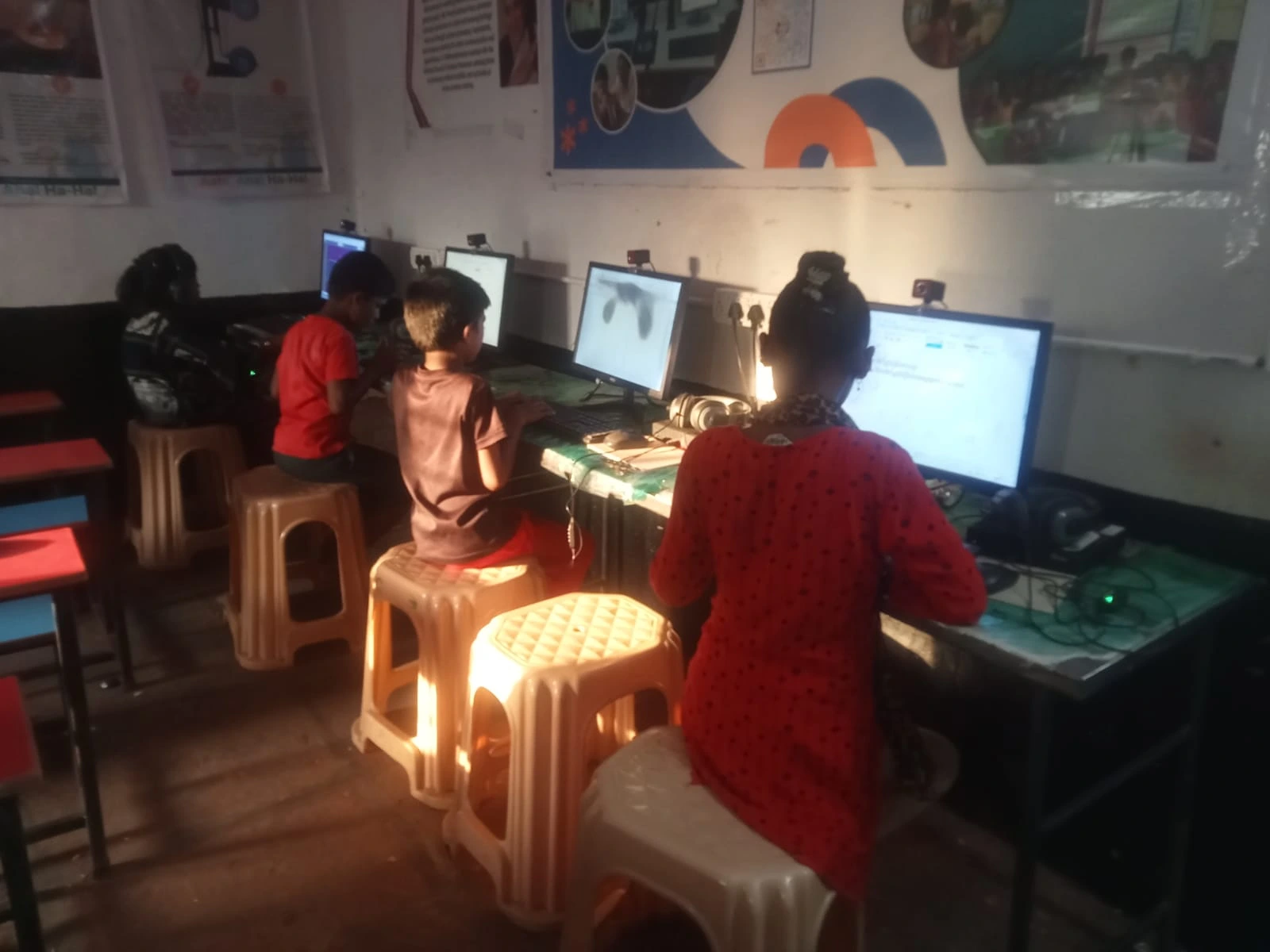
Access to a personal computer significantly changes student outcomes
The connection between device access and learning outcomes is not a theory. Parents and teachers across India see it in classrooms every day. Students who have their computer at home arrive more prepared. They complete more practice. They build the kind of digital confidence that goes far beyond academics into career readiness and independent thinking.
How a Personal Computer Helps Students Learn explores the topic in detail, from curriculum support and exam preparation to the broader skills students develop through regular, uninterrupted device use.
And Why Every Indian Student Needs Their Own Computer explains what really changes when a student stops sharing and starts owning their learning space, in terms of focus, confidence, and results.
At ₹21,000 (shipping and GST excluded), the Apna PC is designed precisely for Indian families who want to give their child every real advantage without the price tag of a premium laptop. It is not an extra. It is the foundation of consistent learning at home.
If your child is hitting daily learning barriers and you are ready to remove them for good, Apna PC is built for exactly that situation. Visit apnapc.com to learn more.