

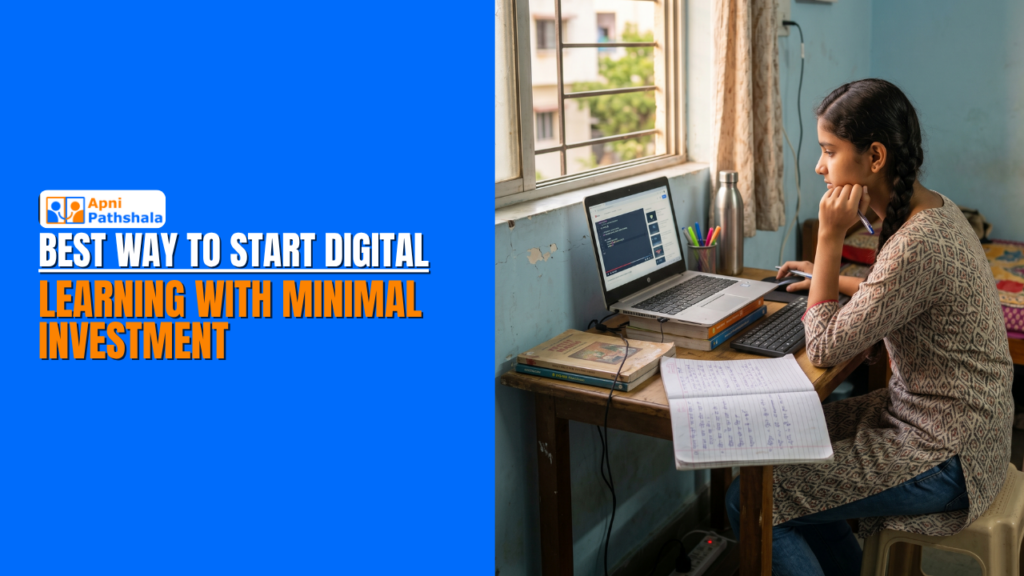
Vijay is a daily wage worker in Bhopal. His daughter Prachi is in Class 6, and her school has started assigning online homework. Vijay earns enough to keep the family comfortable, but spending Rs. 30,000 or more on a laptop feels out of reach. He does not want to say no to his daughter’s education, but he does not know where to start without breaking the bank. Vijay’s situation is not unique. Millions of Indian families want to start digital learning with minimal investment; they just need a clear, honest guide to do it right.
Why Digital Learning Does Not Have to Be Expensive?
The biggest myth about digital education is that it requires expensive devices, paid subscriptions, and high-speed internet at home. None of that is true. Affordable digital learning for families in India today is built on free platforms, government-backed resources, and one-time device investments that pay off for years.
India has some of the best free educational content in the world, created by NCERT, CBSE, and top universities, available to any student with a computer and basic internet access. The investment is not in ongoing costs. It is in getting the right device once, setting it up properly, and building a daily learning habit around it.
The key insight most families miss: a cheaper smartphone used poorly costs more in lost learning than an affordable computer used well. Digital learning is not about how much you spend. It is about how smartly you start.
According to DIKSHA India’s national digital learning platform, thousands of hours of free, curriculum-aligned content are available for students from Class 1 to Class 12 across subjects and languages. All of it is free. All of it is accessible on a basic computer. The content is already there; the only missing piece for most families is the right device to access it on.
A Step-by-Step Guide to Starting Digital Learning on a Budget
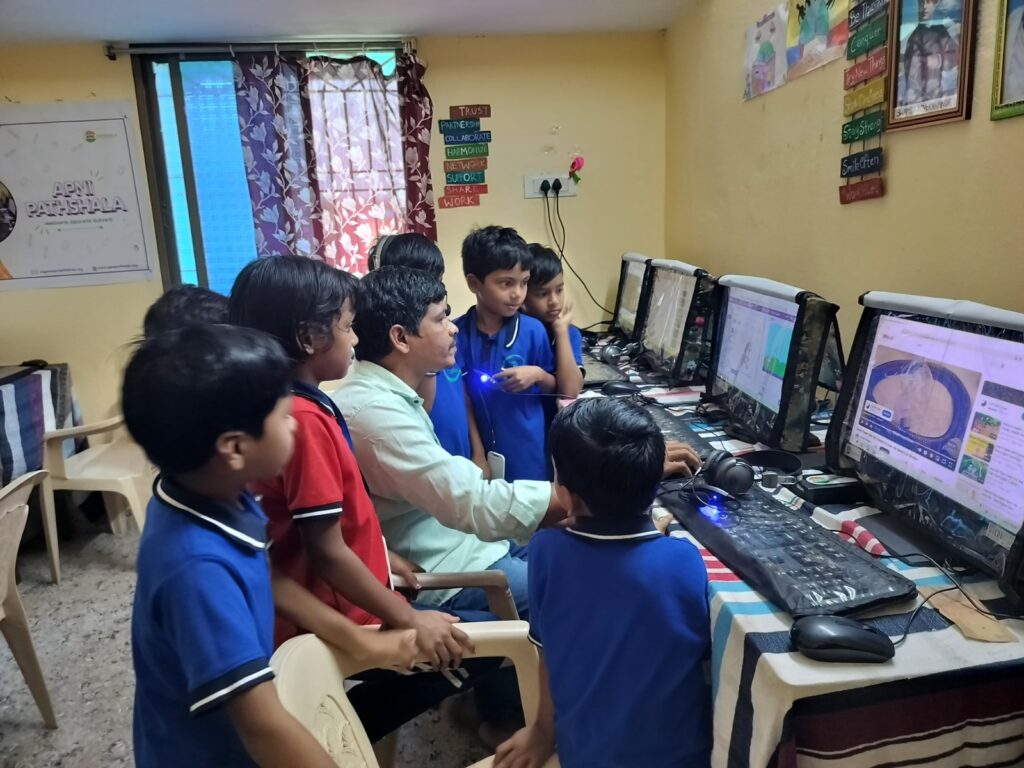
Here is exactly how any Indian family can launch a real digital learning setup at home, without overspending:
- Step 1: Start with free platforms. Before buying anything, explore what is already available. DIKSHA, Khan Academy, e-Pathshala, and YouTube EDU channels are completely free and cover every subject from Class 1 onwards. Make a list of which platforms match your child’s grade and subjects.
- Step 2: Choose a purpose-built device, not a general one: The biggest cost mistake families make is buying a general laptop and then spending more time and money trying to make it child-safe and education-ready. An educational computer like Apna PC costs Rs. 21,000 (shipping and GST excluded) and arrives preloaded, safe, and ready to use, saving both money and effort.
- Step 3: Set up a fixed learning space: Place the computer in a shared area of the home, such as the living room or study. A dedicated learning spot signals to the child that this is a serious activity, not casual entertainment. This simple step dramatically improves focus and consistency.
- Step 4: Build a 30-minute daily routine. Low-cost online learning for students works best when it is consistent rather than intense. Start with just 30 minutes of structured digital learning each day, one platform, one subject, one goal. Build from there as the child gains confidence and routine.
- Step 5: Use offline content to beat connectivity limits: Many Indian families have limited data or unreliable internet. Download lessons in advance when connected, or choose a device with preloaded offline content. This removes one of the biggest barriers to consistent digital learning at home.
- Step 6: Track progress weekly, not daily: Every Sunday, spend 10 minutes reviewing what your child covered during the week. Ask them to show you one thing they learned. This builds accountability without pressure, and helps parents stay engaged without needing to monitor every session.
Learn how Apna PC supports structured, low-cost digital learning at home on our How a Personal Computer Helps Students Learn Beyond the Curriculum page.
How to Know If Your Investment Is Working?
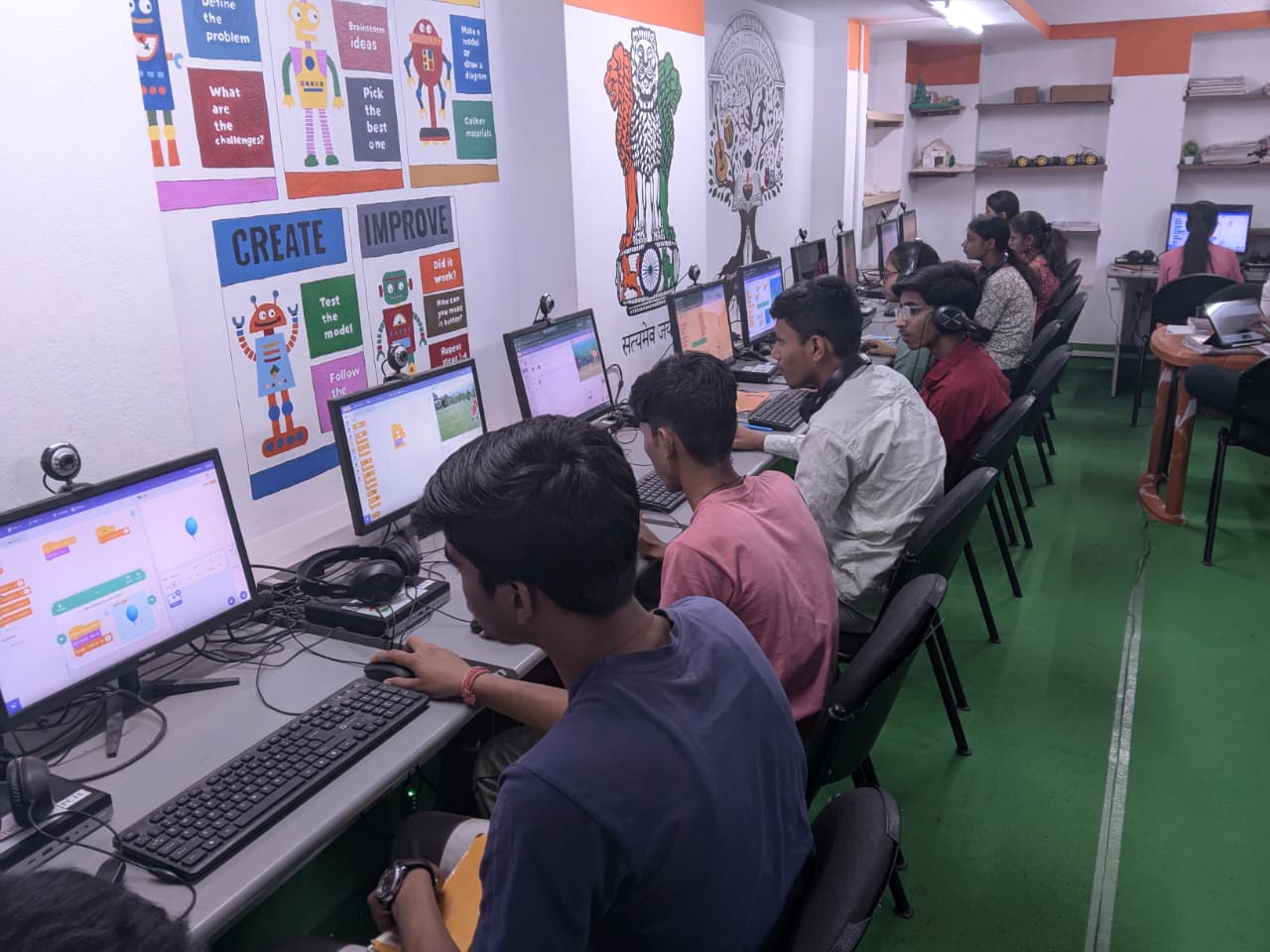
Starting digital education at home with minimal investment is only half the equation. The other half is knowing whether it is actually making a difference. Here is what to look for:
- Improved confidence in school: Children who practice concepts digitally at home often find classroom lessons easier to follow. They ask more questions, participate more, and feel less anxious about difficult subjects.
- Better grades in specific subjects: Within 4–6 weeks of consistent digital practice, most children show measurable improvement in the subjects they are focusing on, particularly maths and English, where practice and repetition are most effective.
- Self-directed learning habits: One of the most valuable signs of progress is when a child starts using the computer on their own. When they open a learning platform on their own out of curiosity, that is when the investment truly pays off.
The Digital India initiative has shown that when families are given the right tools and guidance to start digital learning at home, the impact on children’s education is long-lasting, extending beyond school performance into life skills, critical thinking, and career readiness.
Apna PC exists for families like Vijay’s, families who believe in their child’s potential and want to invest in their future, without overstretching their budget. At Rs. 21,000 (shipping and GST excluded) it is not just the most affordable option. It is the most complete one. Read more about why a dedicated computer changes the learning journey on our The Hidden Cost of Not Having a Computer in 2026 page.
Digital learning does not start with a big budget. It starts with one good decision. Visit apnapc.com to learn more.