


When Sruthi first walked into her village learning centre in rural Maharashtra, she’d never touched a computer. Her family couldn’t afford one, and her school had just a few outdated machines shared among hundreds of students. But that day changed everything. A donated laptop opened doors she didn’t know existed, and suddenly, she was learning coding, accessing online courses, and dreaming of becoming a software engineer. Sruthi’s story isn’t unique, but it shows us something powerful: technology making learning equal for everyone, regardless of where they’re born or what their parents earn.
Breaking Down Geographic Barriers
For decades, quality education meant living near good schools or having money for private tutors. A student in a remote village couldn’t access the same resources as someone in Mumbai or Delhi. Technology changed this equation entirely. Today, a child in a small town can watch lectures from top professors, download textbooks for free, and join virtual classrooms with peers from across the country. Geography no longer decides who gets to learn and who doesn’t. When we talk about technology making learning equal, we’re really talking about giving every child the same starting line, no matter their zip code or family background.
Affordable Access to Quality Resources
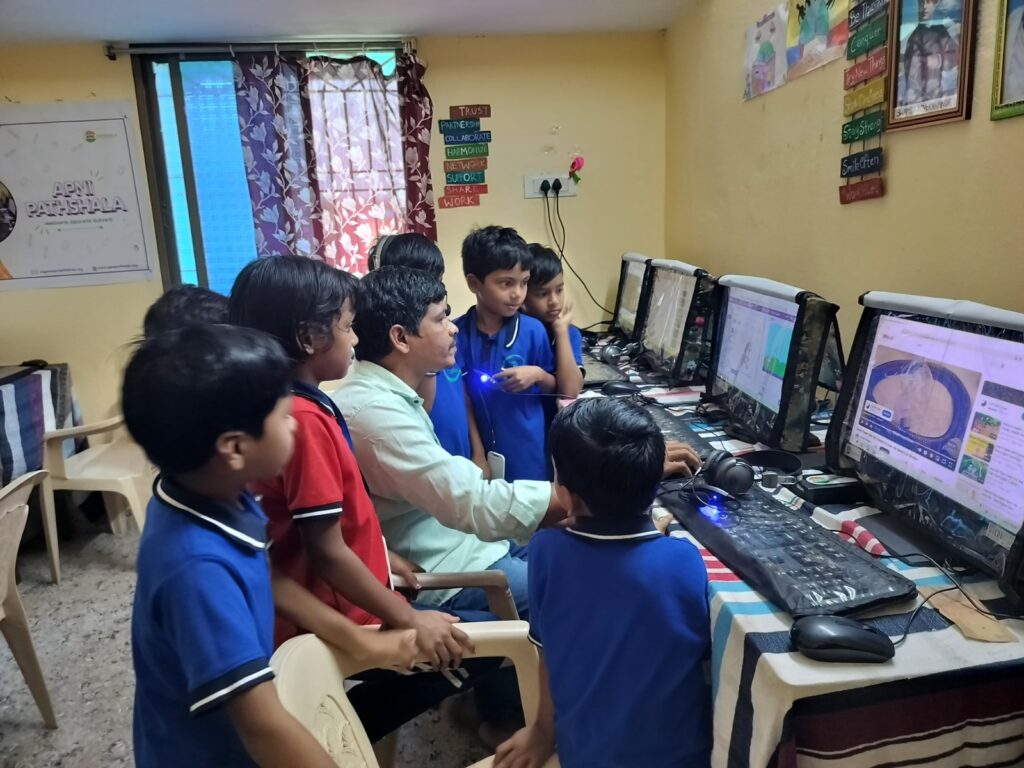
The internet has democratized information in ways we couldn’t imagine twenty years ago. Platforms like Apni Pathshala share real stories of students who transformed their lives through digital learning. Free educational videos, open source textbooks, and interactive exercises mean that a motivated student can learn almost anything without spending a fortune. This matters especially in a country where many families struggle with basic expenses. When learning materials become freely available online, the only barrier left is access to a device, and that’s something we can solve together as a community.
Personalized Learning for Every Pace
Traditional classrooms move at one speed, and that leaves many students behind. Some grasp concepts quickly and get bored, while others need more time and feel frustrated. Technology enables personalized learning paths where students progress at their own pace. Adaptive learning platforms adjust difficulty based on performance, offer extra practice where needed, and let students revisit lessons as many times as necessary. This flexibility is crucial for first-generation learners who might not have support at home. As digital access becomes the new foundation of learning, personalized approaches help every student succeed regardless of their starting point.
Connecting Remote Learners to Opportunities
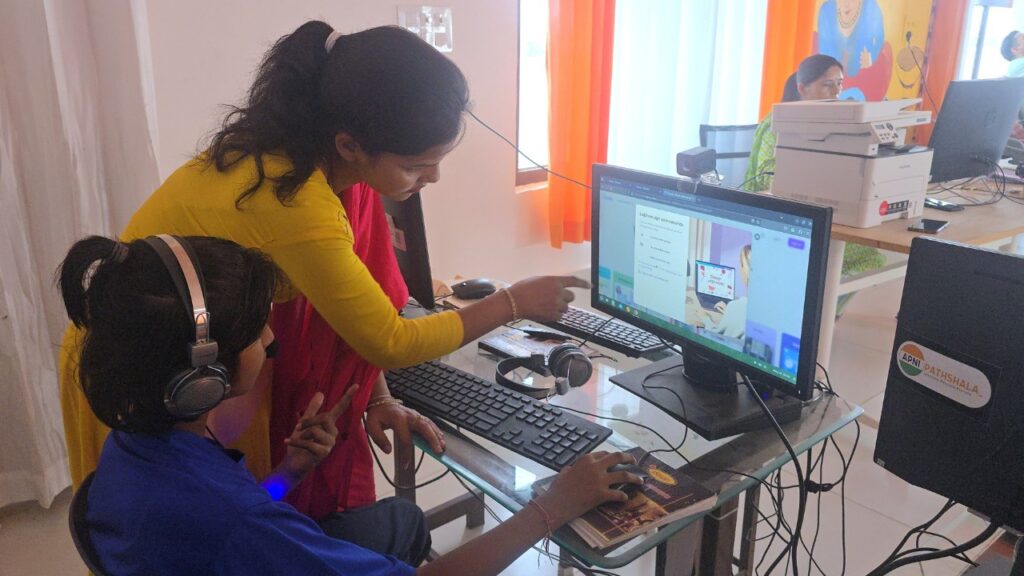
Rural students often miss out on opportunities simply because they’re far from cities where workshops, competitions, and mentorship programs happen. Virtual events, online mentoring, and digital communities bridge this gap effectively. A student in a small town can now participate in coding competitions, attend webinars by industry experts, and build networks that were once reserved for urban youth. UNESCO’s education initiatives highlight how digital connectivity creates pathways for remote learners to access global opportunities. Technology doesn’t just bring content to students, it brings connections, mentorship, and real chances to grow and thrive.
Supporting Diverse Learning Styles
Not every student learns the same way. Some are visual learners who need diagrams and videos. Others prefer reading text or doing hands-on activities. Technology accommodates all these styles simultaneously. A single topic can be taught through animated videos, interactive simulations, written explanations, and practice quizzes, all available on the same platform. This variety helps students with different learning preferences find methods that work best for them. When education adapts to learners instead of forcing learners to adapt to education, everyone benefits from a more inclusive and effective learning system.
Building Digital Skills for the Future
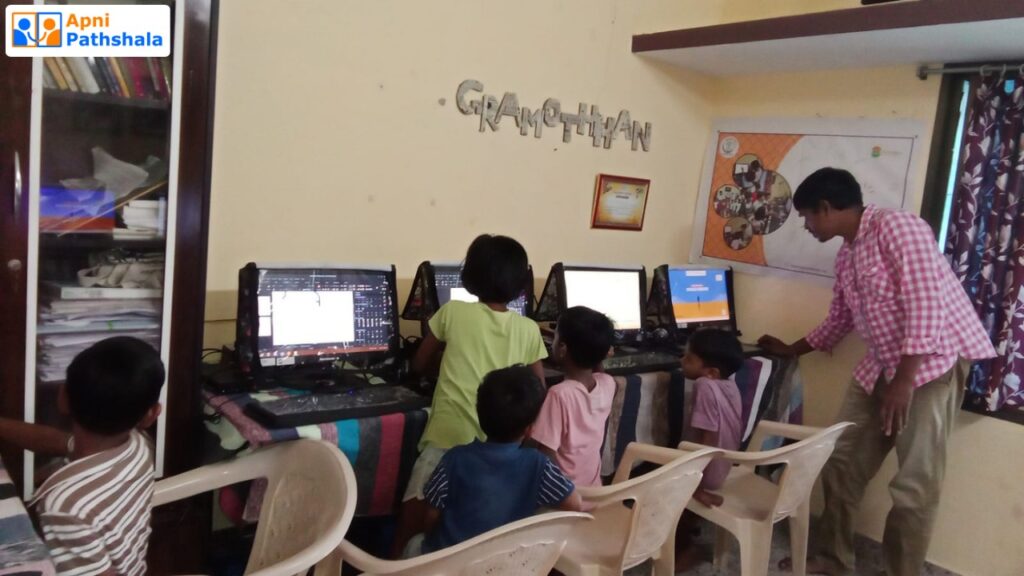
Learning to use technology effectively has become a skill in itself. Students who navigate online resources, evaluate information quality, and use digital tools gain advantages that extend far beyond any single subject. These abilities prepare them for jobs that didn’t exist a decade ago and industries that will emerge in the coming years. By integrating technology into learning, we’re not just teaching content, we’re preparing students for a digital economy where these skills matter tremendously for their career success.
Creating Equal Opportunities Through Digital Tools
The beauty of technology lies in its ability to multiply impact. One good online course can reach millions of students. A single educational app can help countless learners practice and improve. When we invest in digital tools for education, we’re not just helping one student or one classroom, we’re creating resources that can benefit entire communities for years to come. This scalability makes technology a powerful force for equality in education.
Your Role in Making Learning Equal
Every student deserves access to the tools that can transform their education and their future. Get an Apna PC for ₹21,000 (shipping and GST excluded) and help a student start their digital learning journey today at Apna PC.