

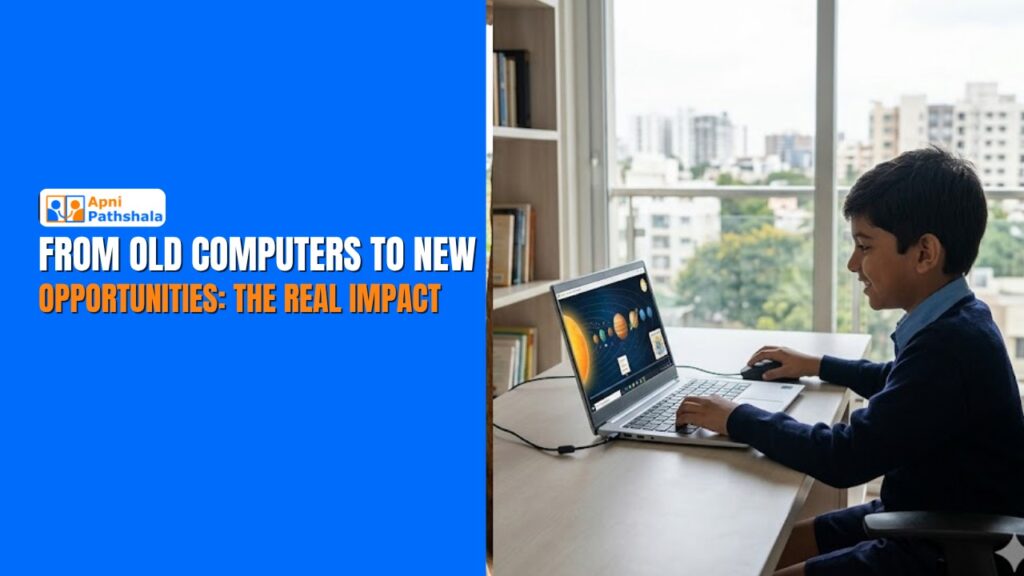
Sruthi didn’t think a computer could change her life. She was fifteen, studying in a small government school, sharing textbooks with three other students. Her dream was to become a nurse, but every time she tried to look up study materials, she had to walk to a cyber cafe, spend money she didn’t have, and rush through whatever she could find in thirty minutes. One day, a refurbished computer arrived at her home through Apni Pathshala. That single device didn’t just give her internet access. It gave her back time, focus, and the belief that she could actually do this.
Stories like Sruthi’s aren’t rare anymore. Across India, old computers are becoming new opportunities for students who had been left behind by the digital world. And the impact is more real than most people realize.
What Happens When Students Finally Get Access
There’s a big difference between knowing that digital tools exist and actually being able to use them. For students in underserved communities, getting a computer isn’t just about technology. It’s about finally being included in a world that had been moving forward without them.
When Surendra, a student from rural Maharashtra, got his first computer, he started using platforms like edX to supplement what he was learning in class. Within months, his confidence had jumped. He started explaining concepts to his classmates. His teacher noticed. His parents noticed. He noticed.
Access doesn’t just improve grades. It reshapes how a student sees themselves and their future.
Why Refurbished Computers Make Sense
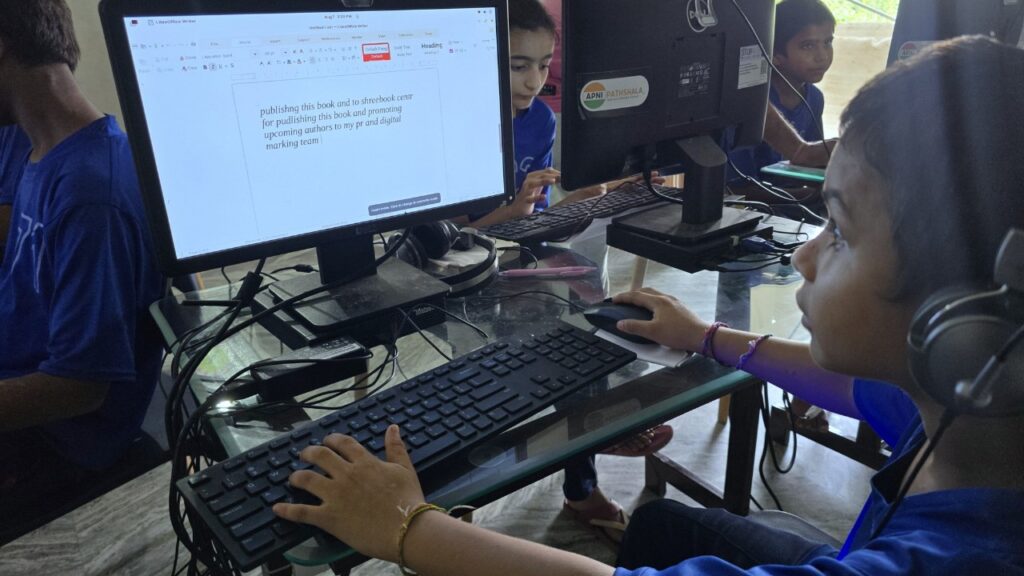
New devices are expensive. For most families in India’s underserved communities, spending on a brand new laptop or desktop simply isn’t realistic. But a properly refurbished computer can do everything a student needs. Browse. Type. Learn. Connect.
The key is that it works reliably. A device that crashes or freezes defeats the purpose. When refurbishment is done right, students get something they can actually count on. That matters more than having the latest model.
It’s not about charity. It’s about giving students the same starting point that others take for granted.
The Subjects That Open Up
Think about what becomes possible when a student has a working computer and internet access. Math practice isn’t limited to whatever’s in the textbook. Science experiments can be watched as videos. History comes alive through documentaries. Language learning has interactive tools.
Platforms like Coursera offer free courses in everything from programming to creative writing. For a student like Devendra, who wanted to learn coding but lived in a town with no computer science teacher, access to these resources was the difference between a dead end and an open road.
We’ve written about how technology can make learning more equal. That idea isn’t abstract. It plays out in real classrooms and real homes every single day.
The Confidence That Comes With Competence
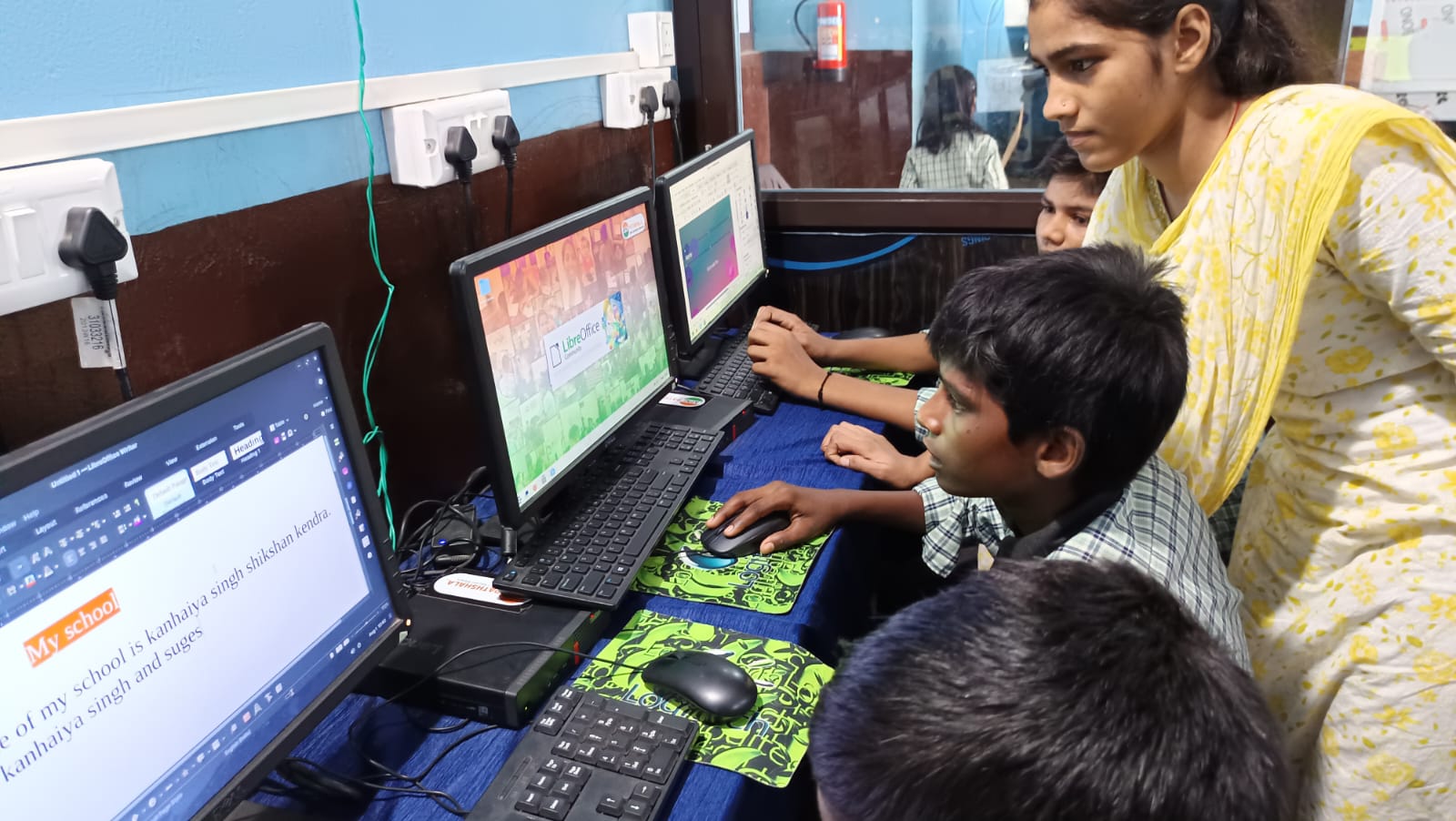
There’s something that happens when a student figures out how to do something on a computer on their own. They feel capable. That feeling is hard to manufacture in any other way.
Haripriya was shy. Her teachers described her as quiet, hesitant to participate in class. After she started using a computer regularly for her studies, something shifted. She started asking questions. She started looking things up before class so she already had context. Her participation went from zero to consistent.
That’s not a coincidence. Competence builds confidence. And confidence changes how students show up, not just in school, but everywhere.
From Information to Real Understanding
There’s an important distinction between a student who has access to information and one who genuinely understands what they’re learning. We’ve explored this idea in our post on what students really need to go from information to understanding.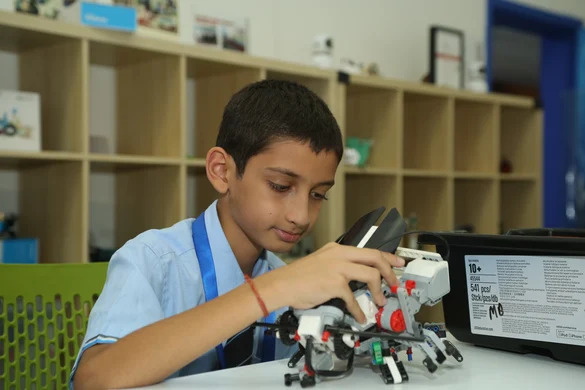
A computer doesn’t hand a student understanding. But it gives them the tools to seek, to explore, to revisit difficult concepts as many times as they need. That process, done consistently, is how real learning happens.
Sivani used to read a chapter once and move on. After she got access to a computer, she started watching videos, doing practice quizzes, looking up words she didn’t know. Her retention improved. Her exams improved. More importantly, she started enjoying studying.
The Ripple Effect in Families and Communities
When a student in a family gets digital access, they rarely keep it to themselves. Younger siblings learn. Parents use it for information. The household becomes more connected to the wider world.
This ripple effect is one of the most underappreciated parts of the story. One device can shift the trajectory of an entire family. That’s not an exaggeration. It’s what happens when access meets aspiration.
If you believe every student deserves a fair chance, Apna PC offers quality refurbished computers starting at ₹21,000 (shipping and GST excluded). It’s a small investment with a lasting impact.