

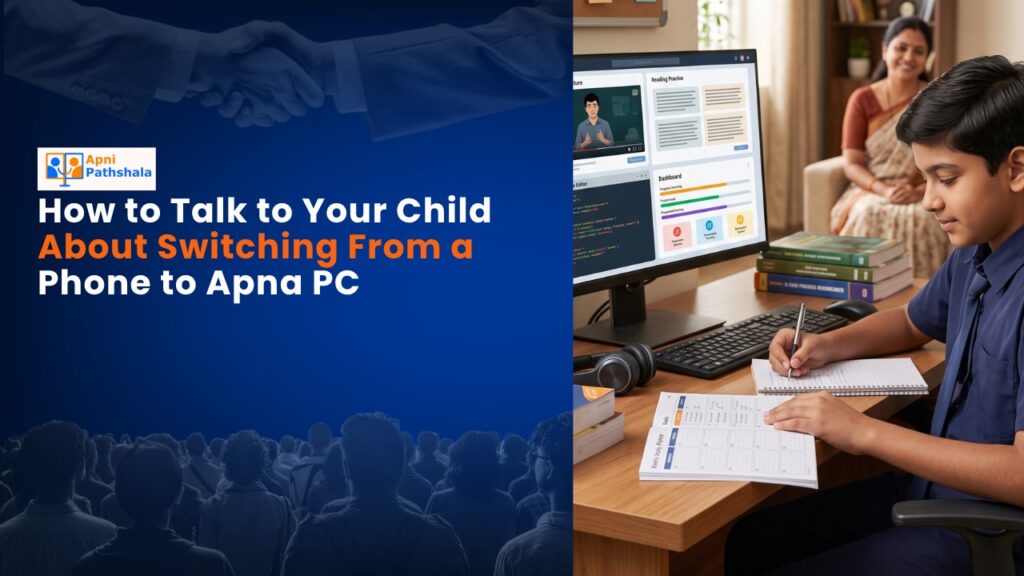
Rajesh’s Dilemma: When a Smartphone Becomes a Problem
Rajesh sat in his Indore living room, watching his 12-year-old son Aditya tap endlessly on a smartphone screen. It was 11 PM. Aditya had homework due tomorrow, but instead, he was scrolling through videos. Rajesh felt helpless. He’d bought that phone two years ago thinking it would help with studies. Now, it was stealing his son’s sleep, his focus, and his childhood. Like many parents in Tier 2 and Tier 3 cities, Rajesh didn’t know how to fix this without looking like the bad guy. He knew something had to change, but he didn’t know what. That’s when he discovered Apna PC, an educational kid’s computer designed for Indian families exactly like his.
If you’re reading this, you probably recognise Rajesh’s story. Your child spends hours on a smartphone. You worry about their eyes, their posture, their attention span. You’ve tried everything: warnings, restrictions, negotiations. Nothing sticks. The real problem isn’t that your child is bad. It’s that a smartphone is designed to be addictive, and your child’s brain is still developing. You need a different tool, not just better rules.
Why a Kids Computer Beats a Smartphone for Learning
The jump from a smartphone for kids to a dedicated kids computer isn’t just about switching devices. It’s about changing the entire relationship your child has with screens. A smartphone is built to distract. It pings, buzzes, and pulls attention in a hundred directions. A computer like Apna PC is built to focus. It comes pre-loaded with educational tools, not social media apps. Your child can’t mindlessly scroll because there’s nothing to scroll through.
When you talk to your child about making this switch, don’t frame it as punishment. Frame it as an upgrade. Tell them: “You’re old enough now for your own computer. This is what real students use to learn.” Kids respond to respect, not restriction. Apna PC costs Rs.30,000 and comes with 8GB RAM, 128GB SSD, and Zorin OS. It’s powerful enough for digital learning, coding practice with Scratch, and document work with LibreOffice. It’s not powerful enough for gaming or streaming, and that’s the point.
Start the conversation early. Don’t wait until phone addiction is severe. If your child is already showing signs of dependency, you’ll need to be more direct: “Your phone is hurting your studies. We’re getting you a proper computer instead.” Kids understand cause and effect better than you think.
What to Tell Your Child About the Switch
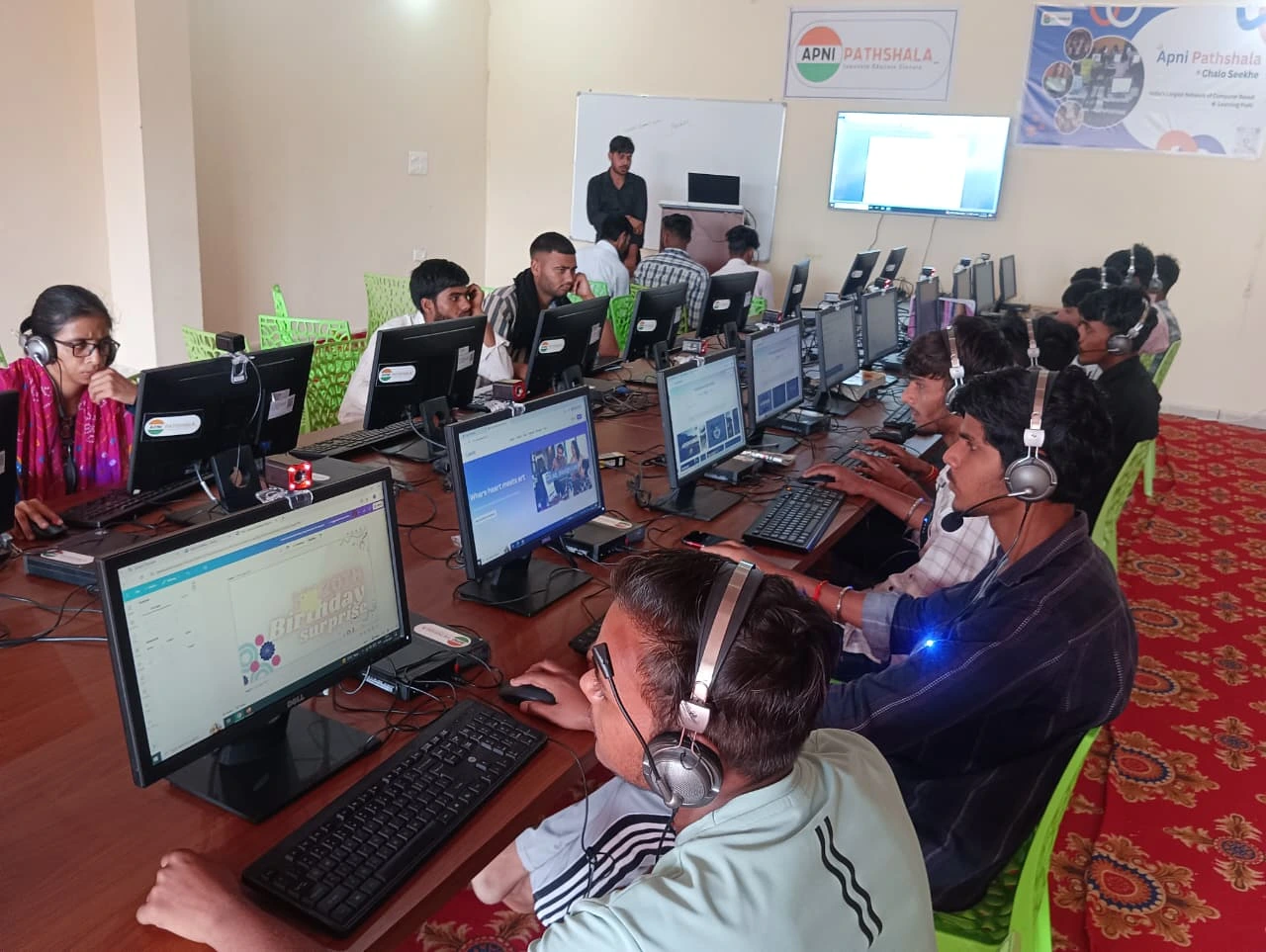
Your child will ask questions. Here’s how to answer them honestly:
- Why can’t I just use my phone? Because a phone is designed to keep you distracted. A computer is designed to help you focus and learn. You’ll actually get more done.
- What if I want to play games? Apna PC has Scratch, where you can create your own games and learn coding. That’s way cooler than just playing games.
- Can I still use my phone? Yes, but for calls and messages only. Your computer is where real work and learning happens.
- Will this make me smarter? It won’t make you smarter by itself. But it removes distractions so you can actually focus on getting smarter.
Honesty works. Your child isn’t stupid. They know their phone is a distraction. They probably hate it too, deep down. They just don’t know how to stop. You’re giving them a way out.
Setting Up the Space and the Rules
When Apna PC arrives, don’t just put it in your child’s bedroom. Put it in a common area: the living room, the study room, somewhere you can see it. This isn’t about spying. It’s about creating accountability and normalizing focused work. Your child should see studying on a computer as natural, not secretive.
Apna PC comes with Apni Prerna, a student monitoring tool built into the system. This isn’t spyware. It’s a progress tracker that shows you what your child is working on, how long they’re focused, and where they might need help. You can check in without hovering. Your child knows you’re watching, which actually helps them stay focused.
Set clear rules before day one. No computer after 8 PM. No computer during meals. Homework first, then learning apps, then free time on approved sites. These aren’t punishments. They’re healthy habits. Check out our guide on setting healthy screen time limits for your kids computer setup.
How to Know It’s Actually Working
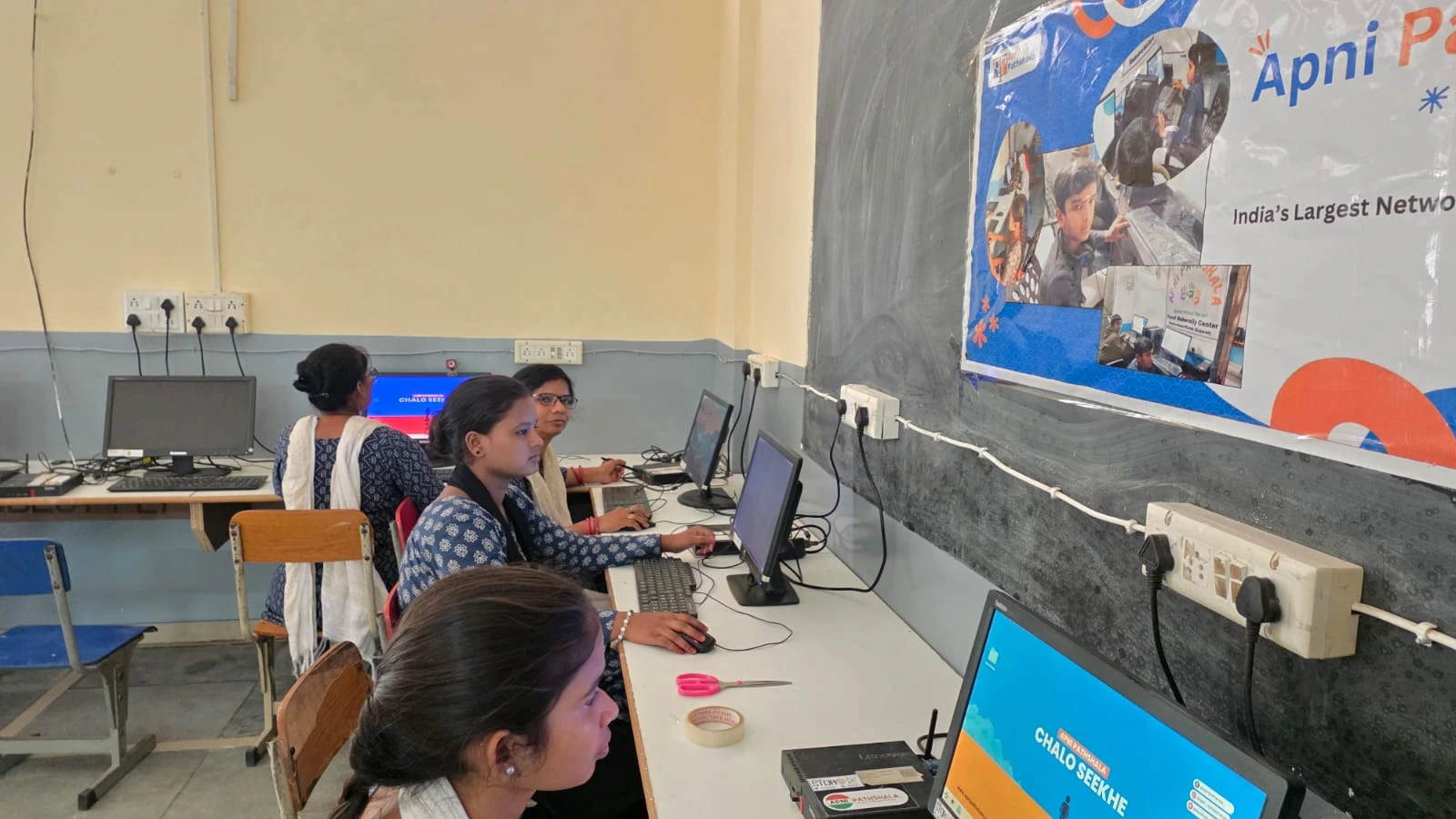
Real change takes time. You won’t see results in a week. But in a month, you’ll notice things. Your child will ask for the computer instead of the phone. They’ll sit longer without getting restless. Their homework quality will improve. Their sleep will get better because they’re not staring at a phone before bed.
Look for signs your child is actually learning digitally. Are they asking questions about what they’re learning? Are they excited about projects? Are they showing you what they created in Scratch? These are good signs. If they’re just staring blankly, something’s wrong. But with Apna PC’s design, that rarely happens.
Remember, a personal computer on Wikipedia is defined as a tool for productivity and learning. That’s exactly what Apna PC is. It’s not a toy. It’s not a distraction machine. It’s a real computer for real work.
The Bigger Picture: Your Child’s Future
The smartphone addiction your child faces right now is just the beginning. As they get older, they’ll need to code, create documents, build presentations, and work with real software. If they only know how to use a phone, they’re already behind. A kids computer isn’t just solving today’s problem. It’s building tomorrow’s skills.
India’s Digital India initiative is pushing technology into every school and every village. Your child needs to be ready for that future. Learning on a proper computer now gives them a head start. They’ll understand keyboards, file systems, and real applications. They won’t be helpless when they encounter a computer in school or college.
Talking to your child about switching from a smartphone to Apna PC doesn’t have to be a fight. It’s an opportunity. You’re not taking something away. You’re giving them something better. You’re showing them that you care about their focus, their health, and their future. You’re treating them like they’re ready for the next level. Most kids respond to that kind of respect.
Start the conversation today. Be honest about why the change matters. Set up the space and the rules together. Then step back and watch your child focus like you’ve never seen before. Visit apnapc.com to learn more.