

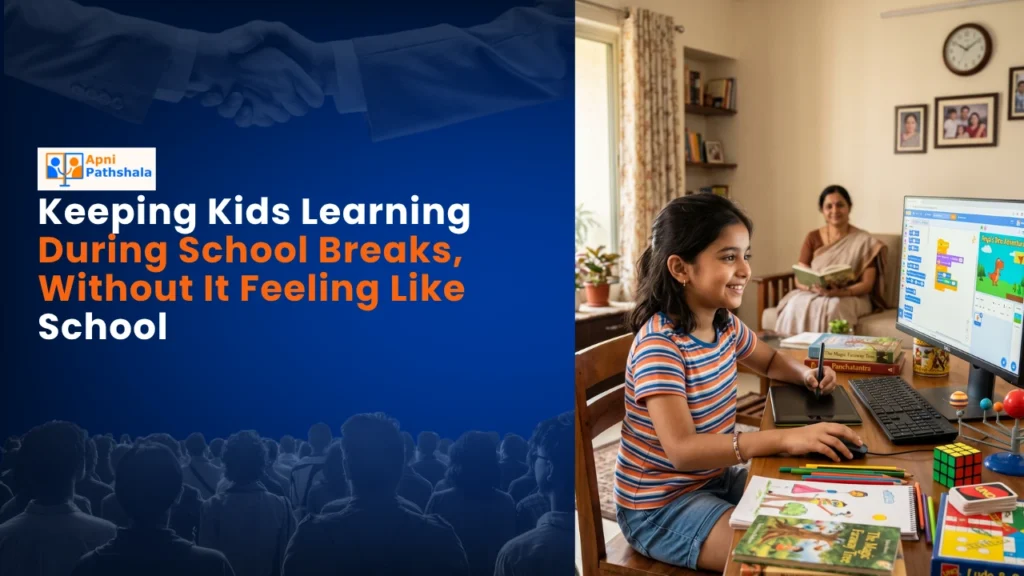
You can keep kids learning during school breaks without it feeling like school by following their curiosity instead of forcing textbooks. Coding games, creative projects, reading for fun, practical tasks and local outings keep young minds active, while loose daily guidelines and the right tools make learning feel like play rather than homework.
For example, a parent with two bored children fighting over the TV remote may worry the holidays will be wasted, yet still not want to turn them into a stressful classroom.
Why does learning during school breaks matter?
It matters because a long break is a chance for a different kind of learning, not because you need a rigid schedule. Children who stay mentally active over the holidays return to school more ready to pick up where they left off.
Without exam pressure, your child can explore topics they are curious about and learn at their own pace. They can mix education with play, and creativity with problem-solving. That is where holiday learning becomes powerful.
The key is to make it feel natural. If your child gets interested in how video games work, find tools to code simple games instead of pushing textbooks. If they want to make videos of their drawings, encourage it. These interests keep minds sharp.
Which holiday learning ideas actually stick?
Ideas that start from your child’s interests stick best. Here are some that work during school breaks:
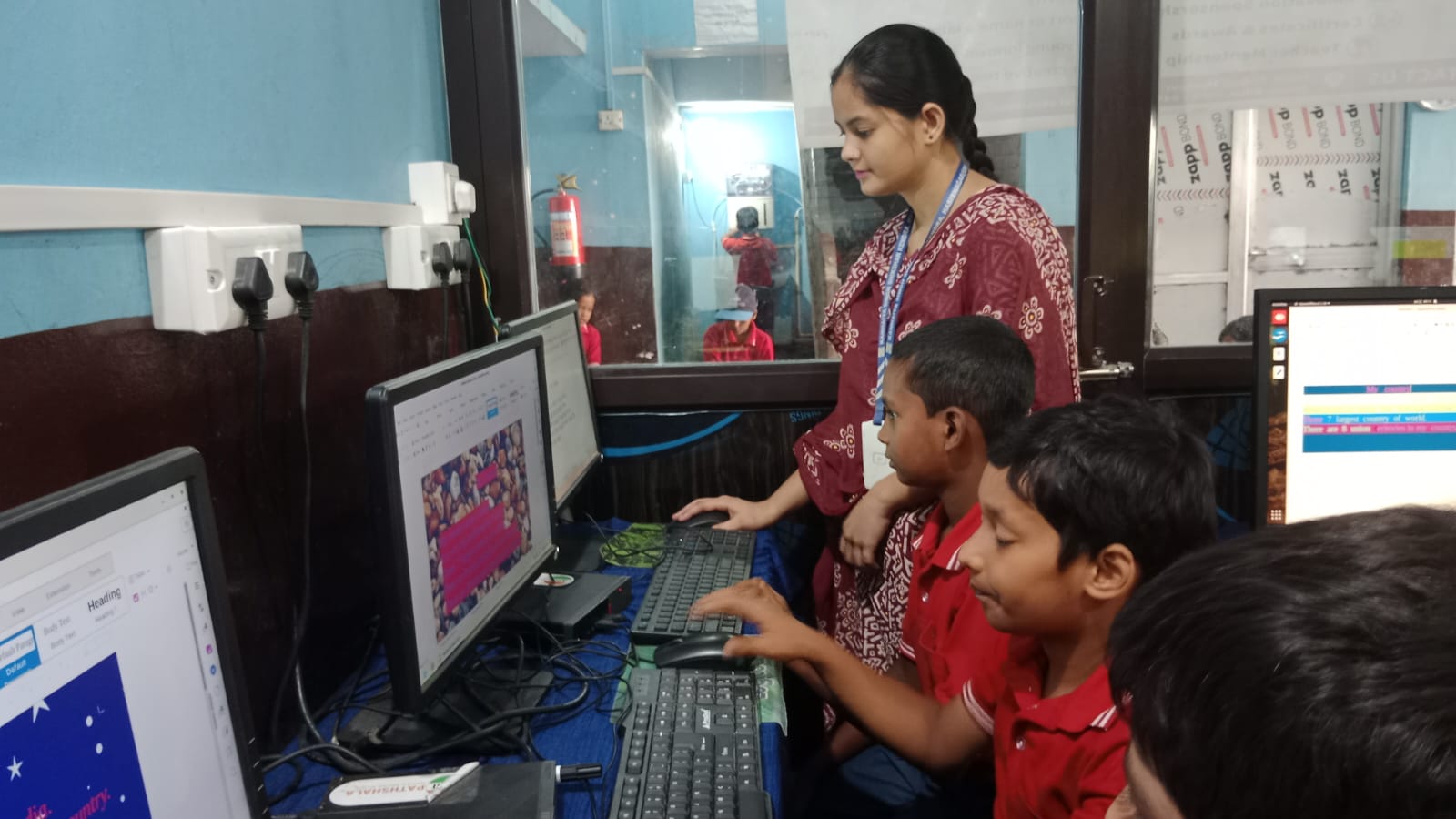
- Coding and creative projects. Scratch lets kids create animations, games and stories. It is programming that does not feel like programming.
- Documentaries and educational videos. The DIKSHA digital learning platform offers free content in multiple languages on science, history and culture.
- Reading for fun. Comic books, graphic novels and stories in your child’s preferred language, not textbooks.
- Practical projects. Cooking, gardening, building things or making art teach maths, science and planning without feeling academic.
- Local exploration. Museums, libraries or historical sites nearby, with questions your child can discover answers to.
Your job is to fuel curiosity, not kill it with worksheets. For reading ideas, see our post on building reading habits in children.
How can a computer help with holiday learning?
A computer built for learning gives your child proper tools to create, not just consume. Apna PC is an educational computer designed for Indian families, pre-loaded with Scratch for coding, LibreOffice for documents and presentations, and Zorin OS, a student-friendly operating system.
With 8GB RAM and 128GB SSD, it runs smoothly even when children multitask. It also includes Apni Prerna, a student monitoring system that lets parents follow progress without being intrusive. It is priced at Rs.30,000 (excluding shipping and GST).
With it, one child can code games while another creates digital art and animations, and you can see what they are doing without hovering. This is what computer-based learning throughout the year can look like.
How do you make holiday learning sustainable?
Treat the break as “different learning time” rather than “break time”, with loose guidelines instead of a rigid timetable.
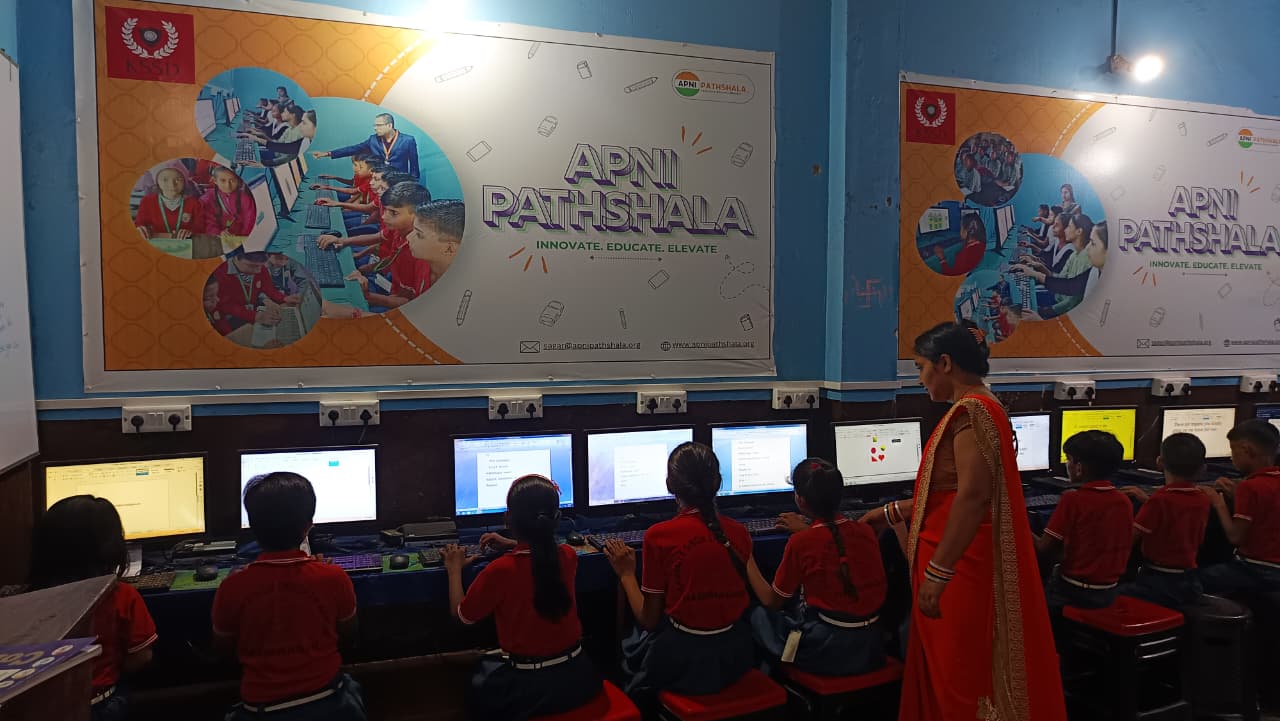
A simple pattern works well: one hour of creative projects, one hour of reading or documentaries, and the rest free play. Over the weeks, children may start teaching themselves Python basics or making stop-motion videos with their toys, and the complaints about boredom fade.
An educational PC for student free time gives your child tools to learn independently while you keep gentle oversight.
What is a simple holiday learning action plan?
Start small and let your child lead.
- Pick one interest. Choose one thing your child is curious about and find free or paid resources that match it.
- Ask, do not assign. Talk about what they want to learn. When children feel ownership, they engage more deeply.
- Mix it up. Use free resources like the Learning article alongside hands-on activities, outdoor exploration and creative projects.
- Get the right tool. If your child leans towards technology, coding or digital projects, a proper educational computer becomes very useful.
Frequently Asked Questions
Should I give my child a fixed study timetable during holidays?
A loose plan works better than a rigid one. Try one hour of creative projects and one hour of reading or documentaries, with the rest as free play. This keeps the mind active without turning the holidays into another school term your child resents.
What can my child do on a computer during school breaks?
Plenty beyond games. Your child can code animations and games in Scratch, make presentations in LibreOffice, create digital art and watch free educational content on DIKSHA. These activities feel like play while building real skills.
How do I stop my child getting bored in the holidays?
Start from what they are curious about. Ask what they want to learn, then find matching resources, whether coding, drawing, cooking or local outings. Children who choose their own projects stay engaged far longer than those handed worksheets.
Holidays do not have to mean learning loss. With the right mindset and tools, they can be your child’s most creative and curious season. Visit apnapc.com to learn more.