

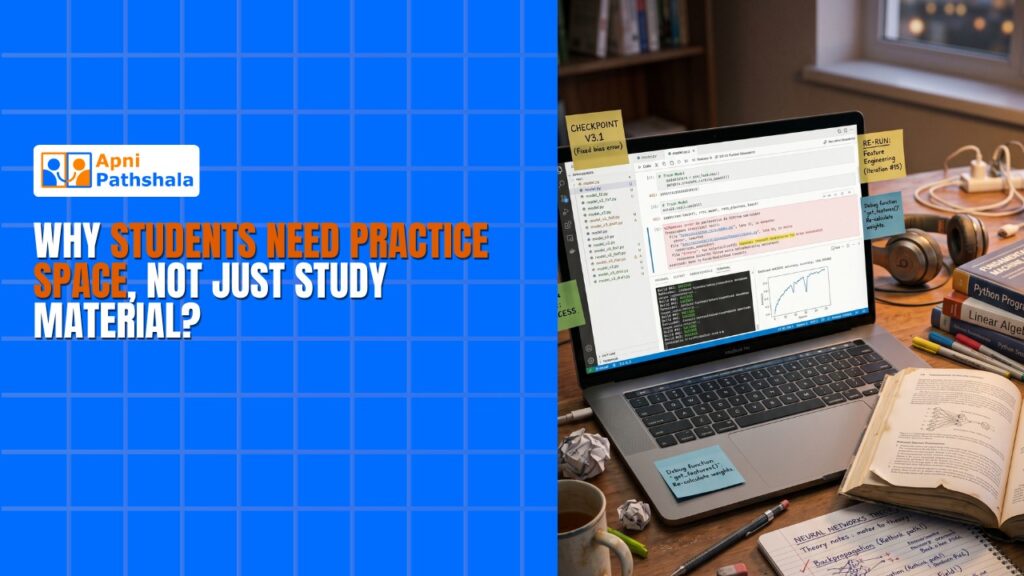
Every parent has seen it: a child who reads the same chapter three times, takes notes, even highlights important lines, but still blanks out during the exam. The issue is rarely intelligence. The real gap lies in effective learning methods. Knowing something and being able to use it are two very different things. Students don’t just need more study material. They need a space where they can actually practice, apply, and build real understanding.
What “Practice Space” Really Means?
Practice space is not about having a bigger desk or a quiet room. It’s about having access to tools and resources that allow a student to engage with what they’ve learned, not just read it passively.
For students’ practical learning, this means having a computer at home where they can take mock tests, solve problems repeatedly, watch concept explanations again, take notes, and work through exercises at their own pace. It means making mistakes in a safe space and trying again until something clicks.
When students only have textbooks and no way to practice interactively, knowledge stays shallow. They understand the words on the page, but they can’t apply those ideas when a question is framed differently. Practice builds the kind of understanding that actually sticks.
Research from NCERT (National Council of Educational Research and Training) consistently emphasises that application-based learning significantly improves student outcomes compared to passive reading alone. India’s curriculum acknowledges this, but most students still lack the tools to put it into practice at home.
Study Practice Techniques That Actually Build Skills
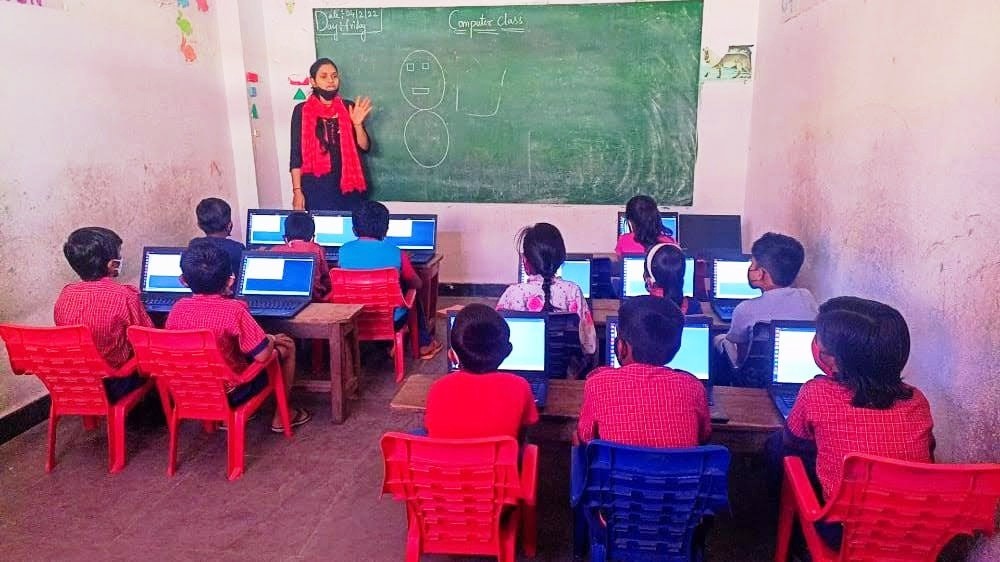
There is a real difference between students who read to finish a chapter and students who read to learn. The latter group uses study practices that require active engagement with the material.
Some of the most proven techniques include:
- Spaced repetition: Revisiting concepts at regular intervals instead of cramming the night before
- Self-testing: Attempting questions before looking at answers, even when it’s uncomfortable
- Elaborative interrogation: Asking “why” and “how” after reading each concept
- Retrieval practice: Writing out what you remember from memory, not just re-reading
None of these techniques is complicated. But all of them require time, access to materials, and, ideally, a digital device for students to practice, check their answers, and track their progress. A student using DIKSHA India’s national digital learning platform can access chapter-wise quizzes, video lessons, and assessments tied directly to their school syllabus. But that access only works when the student has a reliable computer at home, not a shared family phone with a cracked screen.
When students practice consistently using these techniques, their confidence grows, too. They stop dreading exams and start preparing for them. That shift in mindset is just as valuable as the knowledge itself.
Why Active Learning Strategies Matter More in Indian Homes?
In a typical Indian classroom, one teacher often manages 40 to 60 students. Individual attention is limited. Students who fall behind rarely get a chance to ask their questions or revisit a concept before the class moves on.
This is exactly why active learning strategies at home are so important. When a student has their own computer, they become their own teacher to a great extent. They can pause a video at the exact moment they get confused. They can take a quiz, check which answers were wrong, and go back to understand why. They can explore a topic more deeply than the textbook covers.
This kind of self-directed learning is what separates students who understand from students who just pass. And for families in Tier 2 and Tier 3 cities across India, where access to coaching classes or private tutors may not be realistic, a personal computer at home is the single biggest equaliser available.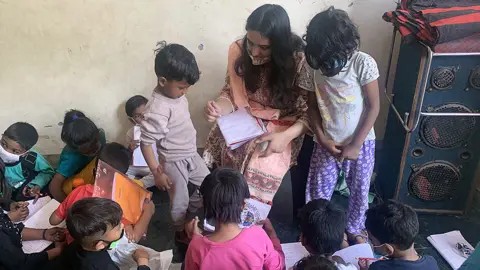
Consider how a personal computer helps students learn beyond the school curriculum, from accessing educational YouTube channels to using government learning platforms to practising typing, coding, and other digital skills increasingly expected in the job market. Study material gives students something to read. A computer gives students something to do.
Active learning at home also builds discipline and independent thinking. When a student knows they can look something up, practice it, and test themselves, they develop ownership over their own education. That’s a life skill no textbook can teach on its own.
And in the long run, the hidden cost of not having a computer in 2026 is not just about missing one exam. It’s about falling behind in an age where digital fluency is becoming as essential as literacy itself.
Give Your Child More Than Books
Study material is the starting point, not the finish line. Real learning happens when students get to apply what they’ve read, test their understanding, and keep improving. Apna PC is built to give Indian students exactly the kind of practice space they need at home, at just ₹21,000 (shipping and GST excluded). Visit apnapc.com to learn more.