

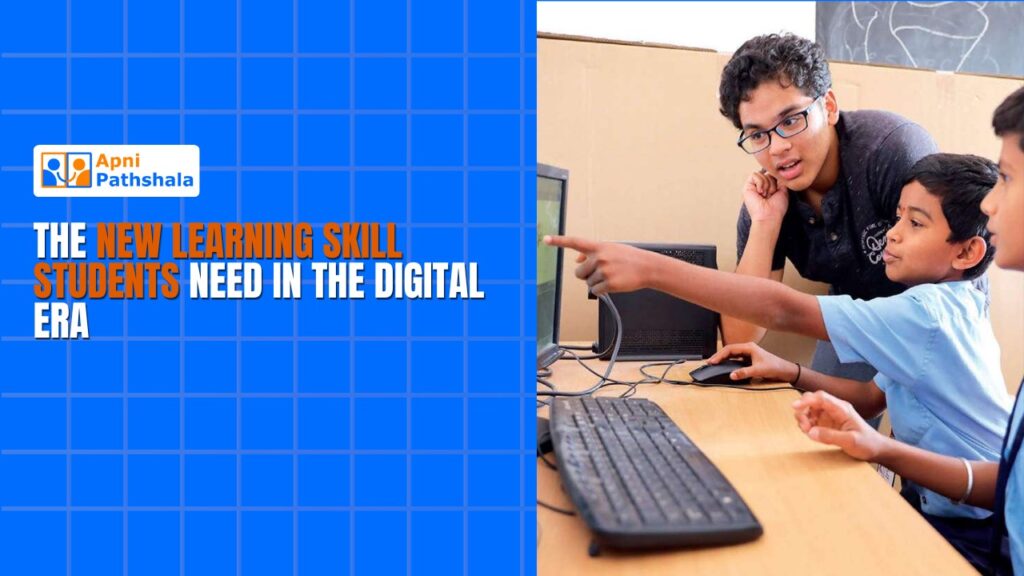
A student who can read well, solve equations, and write essays is prepared for the world of twenty years ago. Today, the bar has shifted. The most important thing a student can develop right now is digital skills, the ability to learn, think, and work in a world that runs on technology. This is not about being a coder or an engineer. It’s about being able to function, compete, and grow in a digital India that is already here.
What Digital Skills Actually Mean for Students Today?
Many parents hear “digital skills” and think it means learning to code or becoming a tech expert. That’s too narrow. Real digital skills for students include the ability to search for reliable information online, use productivity tools such as spreadsheets and documents, communicate professionally via email, navigate learning platforms, and protect themselves from online misinformation.
These are not optional extras. They are future skills for students that every recruiter, college admission officer, and employer now takes for granted. A student who cannot confidently use a computer is at a disadvantage before they even begin.
According to UNESCO global education research, countries that invest in digital literacy early see significantly better educational outcomes, particularly for students from lower-income backgrounds. India is no exception. The gap between students with strong digital foundations and those without is widening every year.
The good news is that digital skills are learnable. They are not a gift or a talent. They are built through consistent practice, access to tools, and a little guidance, all of which a student can get at home.
Why Technology Skills for Students Go Beyond the Classroom?
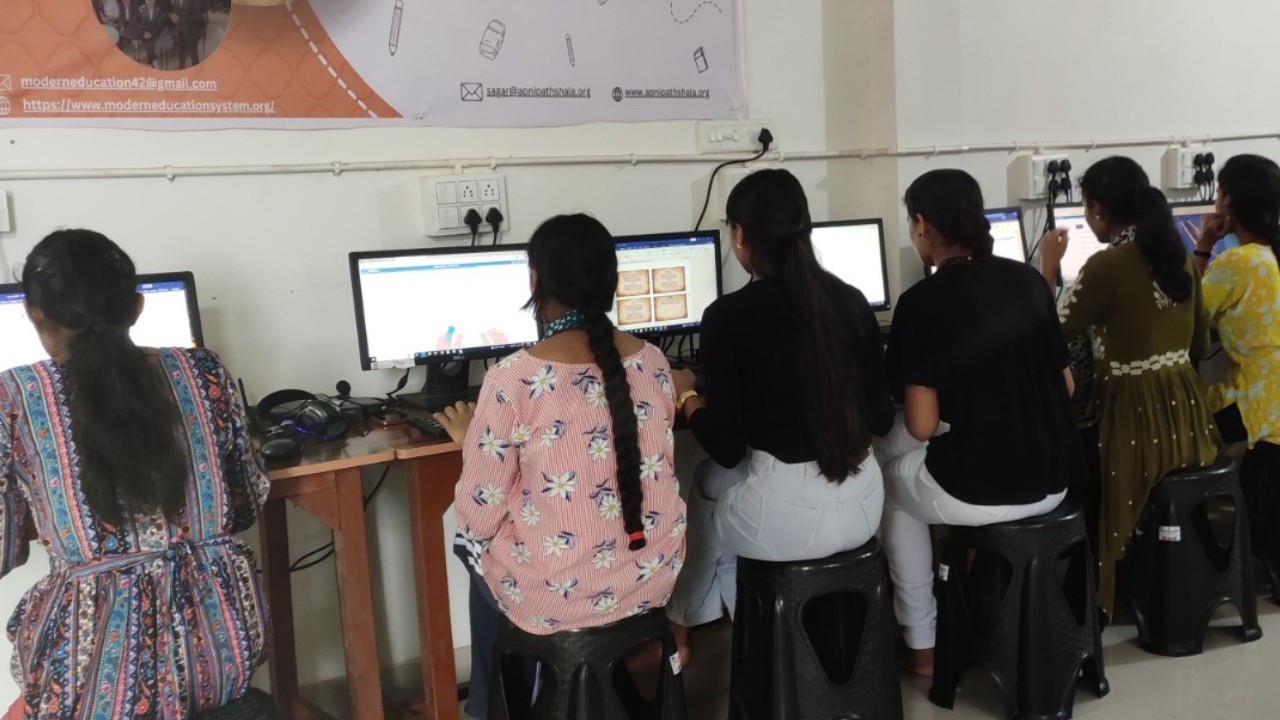
School teaches students what to learn. Digital skills teach them how to keep learning, long after school is over. This is the real value.
Consider what technology skills for students look like in practice outside the classroom:
-
- A class 9 student who uses YouTube to understand a difficult chemistry concept before the next day’s test
-
- A class 11 student who builds a resume using a free online template and emails it to a local internship
-
- A class 6 student who uses a government learning portal to practice math exercises aligned to their syllabus
-
- A student preparing for competitive exams who uses free mock test platforms to track their weak areas
None of these requires expensive software or a high-end device. They require a basic computer, a stable internet connection, and a student who knows how to use them. That combination is more powerful than any coaching class.
The Digital India initiative has invested significantly in building digital infrastructure across the country, from broadband access in villages to online skilling platforms. But infrastructure alone does not create digital learners. Students still need a personal device at home to practise and build these skills daily.
Digital Education India Needs to Start at Home
The vision for digital education in India is not just about government schemes or school computer labs. It is about what happens when a student sits down at home in the evening and decides to learn something. Do they have the tools? Do they have the space to explore?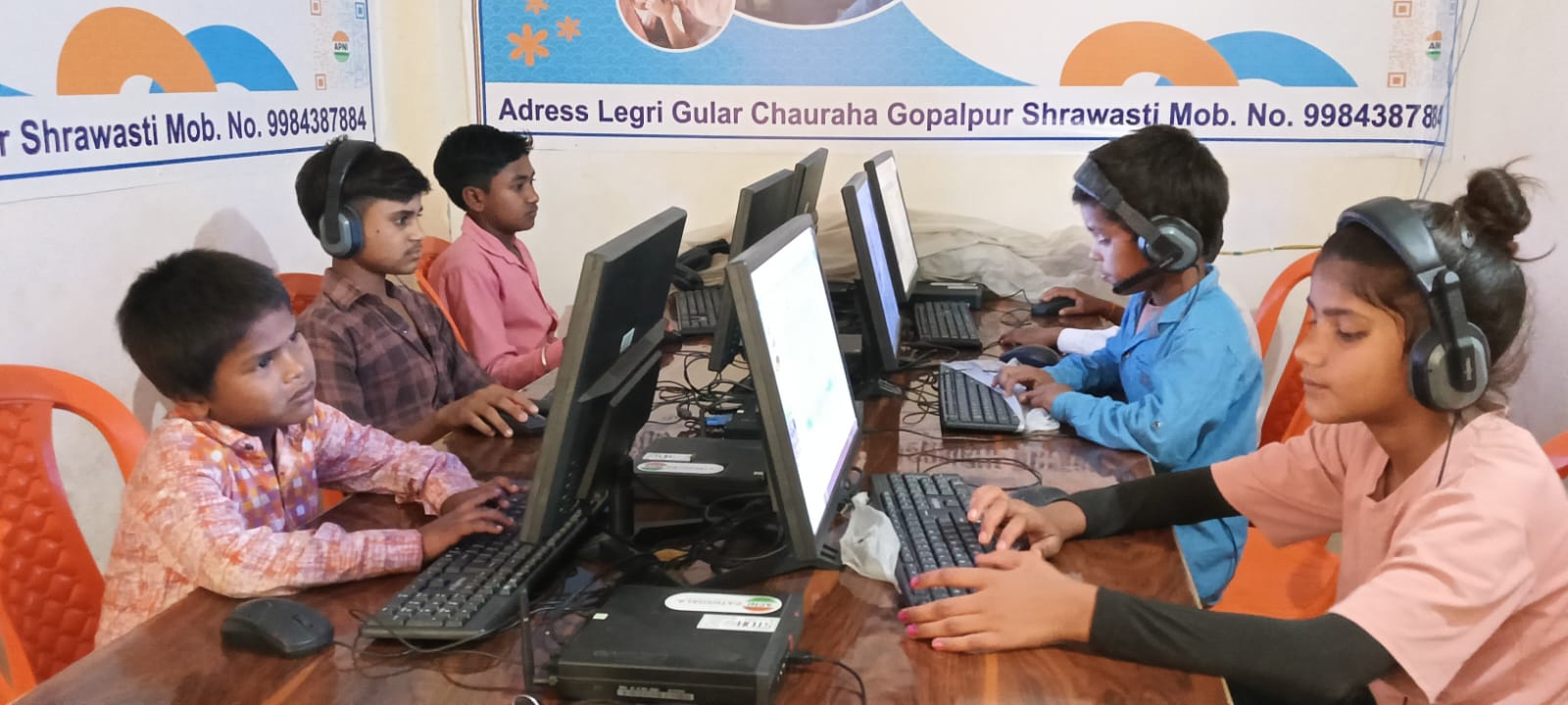
In most Tier 2 and Tier 3 cities, the answer is still no. Students share a single phone with the rest of the family. Screen time is rationed. Downloads are limited because mobile data is expensive. In these homes, digital learning remains an aspiration rather than a daily habit.
This is exactly why having a personal computer at home matters so much. It transforms digital education from a once-in-a-while school activity into an everyday skill-building routine. A student who spends even thirty minutes daily on a computer, reading, practising, exploring, builds digital fluency over months in a way that no weekend computer class can replicate.
Read about why every Indian student needs their own computer at home and how that single change opens up a world of learning that was previously out of reach. And for students who want to go further, understanding the biggest advantage students have today is the first step toward building a future that is not limited by geography or family income.
Digital skills are the new literacy. Students who build them early will find more doors open in college admissions, in jobs, and in life. Students who don’t will find themselves catching up long after the window has passed.
Start Building Digital Skills Today
The digital era does not wait. Every year a student spends without access to a personal computer is a year of skill-building lost. Apna PC puts an affordable, education-ready computer in the hands of Indian students at just ₹21,000 (shipping and GST excluded), so no child has to fall behind. Visit apnapc.com to learn more.