

A student borrows her brother’s phone to revise for tomorrow’s exam. The battery dies halfway through. She stops. Across the street, another student has a computer at home, always charged and ready. He studies for two more hours. The difference is not intelligence or effort. It is access. Technology in education works best not when it is shared or borrowed, but when it is constant. When students know a device is truly theirs, they use it differently, more confidently, more consistently, and more productively.
What Makes a Learning Tool Actually Work?
Not all technology helps students learn. A phone shared among four family members is a tool of compromise. A tablet that runs out of data after five videos is a frustration, not a resource. What truly changes a student’s learning is technology that feels permanent, always present, always working, and always available.
Digital learning tools like offline educational software, video lessons, and practice platforms are most effective when a student can return to them every single day. Learning builds through repetition and reflection. You cannot build that habit when the device disappears each evening because a parent needs it for work.
When technology becomes a fixed part of a student’s daily routine, sitting on the desk, plugged in, ready to go, it stops being a novelty and starts being a real study tool. That shift is where the transformation begins. The student stops thinking, “Can I use this today?” and starts thinking, “What will I learn today?”
The Real Benefits of Technology in Education
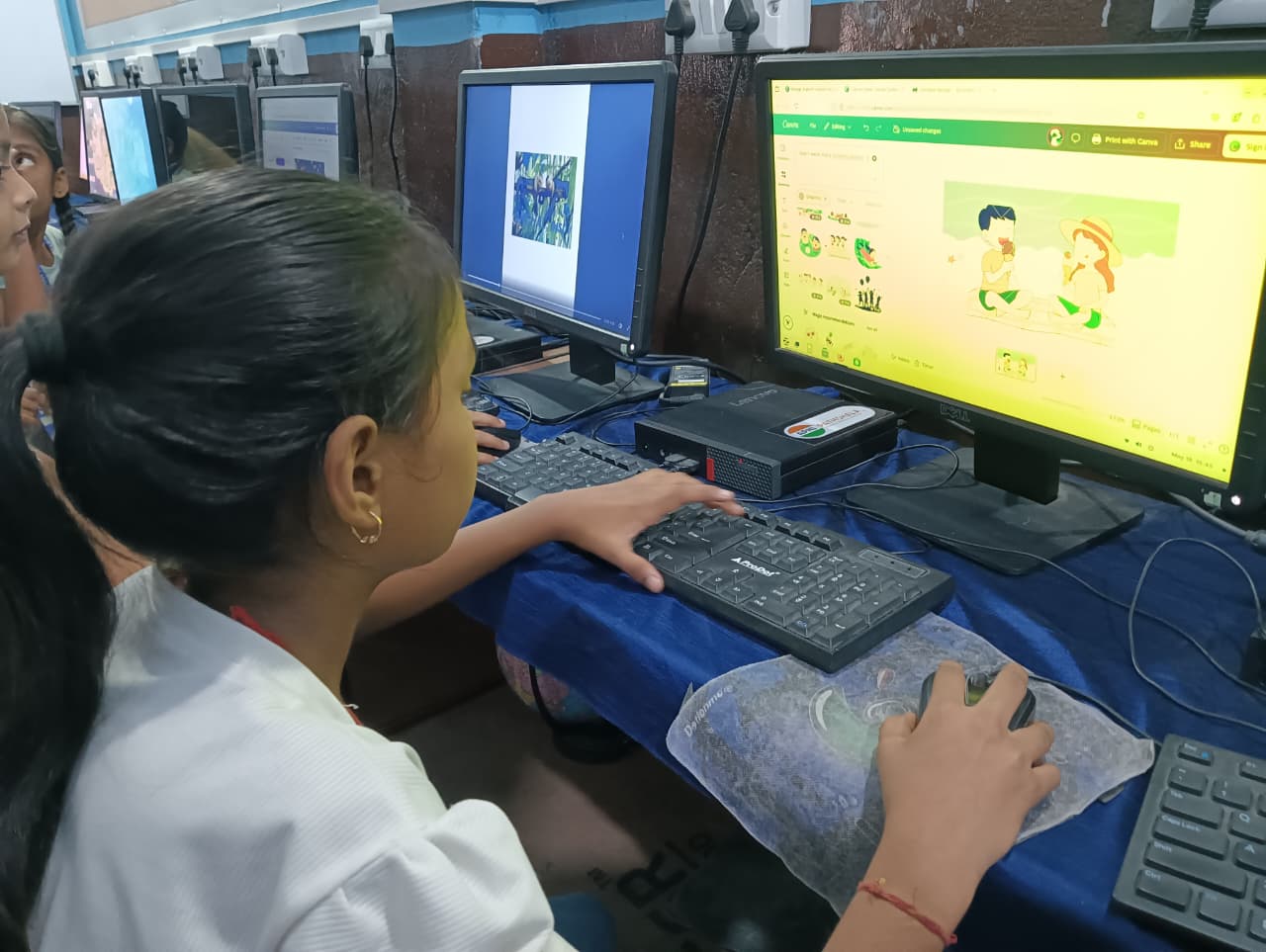
The benefits of technology in education go far beyond watching a few videos or typing up an assignment. Here is what consistently happens when a student has reliable, personal access to a device:
- Self-paced learning becomes possible. A student stuck on a math concept can rewatch the explanation ten times. No teacher is needed, and there is no embarrassment in asking again.
- Curiosity is allowed to grow. When a lesson sparks a question, a student with a computer can look it up immediately. That moment, curiosity followed by instant discovery, is where deep learning actually occurs.
- Writing and thinking improve faster. Typing, editing, and rewriting on a screen teaches students to review their own work. Schools rarely have time to develop this skill properly.
- Digital confidence builds quietly. Daily use of a computer, navigating files, sending emails, and managing folders prepare students for college and the workplace without any formal training.
- Study time increases naturally. According to UNESCO global education research, students with consistent device access spend significantly more time on self-directed learning outside school hours.
These are not small advantages. Over months and years, they separate students who are digitally confident and self-reliant from those who are always struggling to catch up.
Why This Matters More for Indian Students
India has made genuine progress in digital learning. Resources from NCERT (National Council of Educational Research and Training) now offer free textbooks, practice papers, and curriculum-aligned content online. But access to content is only half the picture. A student still needs a reliable personal device to use it.
Computer learning for students in Tier 2 and Tier 3 cities faces a specific challenge: shared devices, inconsistent internet, and no quiet study corner. Most students in these areas study on a family smartphone, interrupted by calls, notifications, and the need to pass the phone around. That kind of access does not produce the consistency that real learning requires.
This scenario is where a personal computer changes everything. Not a premium laptop. Not a gaming machine. Just a dedicated, affordable computer that belongs to the student and is always available for study.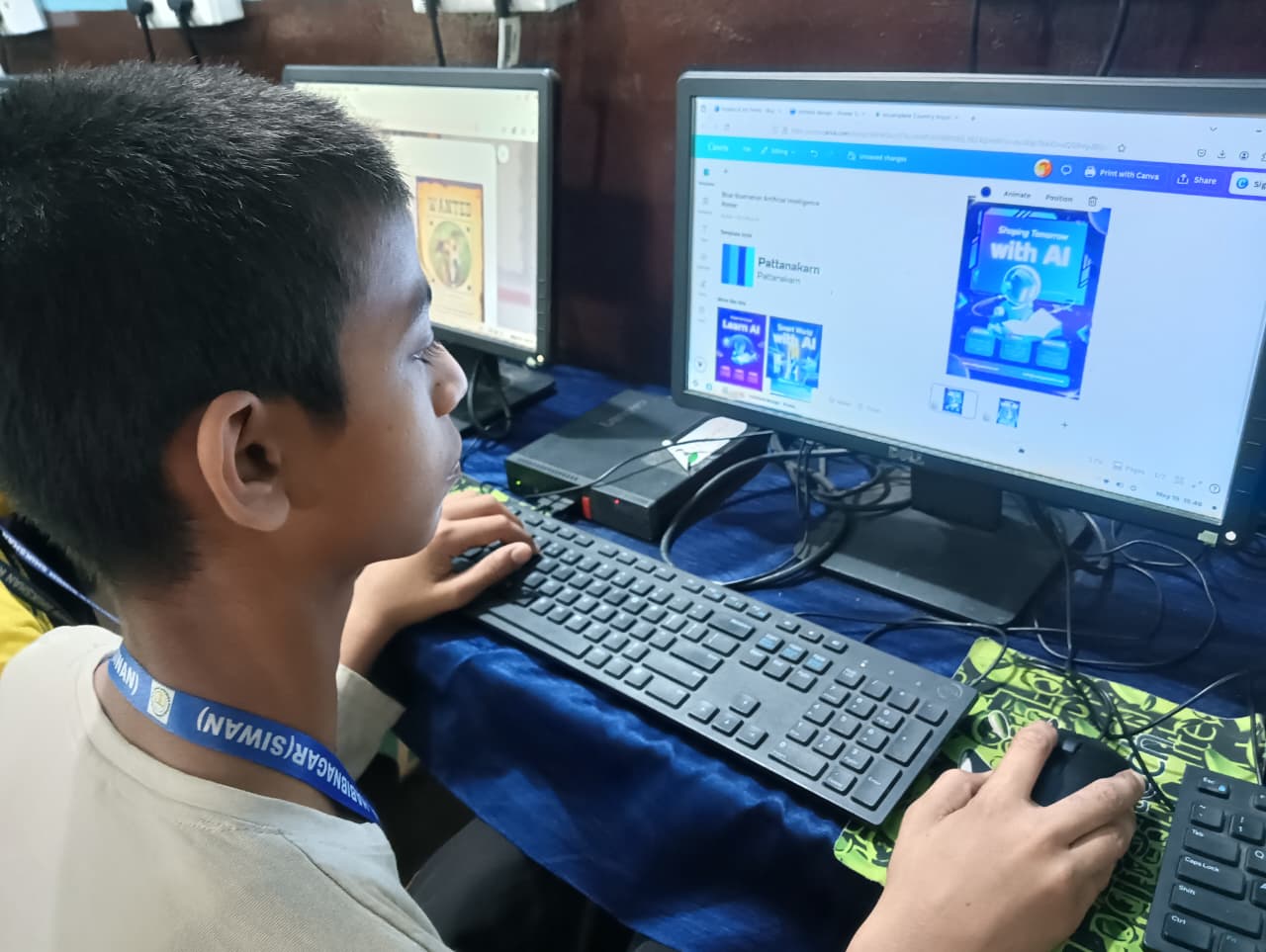
A student who knows her computer is hers, owned, personal, and kept after dinner builds an entirely different relationship with learning. She plans her study time with confidence. She explores topics beyond the syllabus. She develops the kind of independence that marks truly prepared students.
Families and schools that invest in What Is Apna PC are not just buying hardware. They are buying permanence, and permanence is precisely what makes technology work in education.
Give Your Child the Advantage of Consistency
Apna PC is designed precisely for this gap. At ₹21,000 (shipping and GST excluded), it gives Indian students a personal computer that is affordable, study-ready, and built for homes without constant power or reliable internet.
It works with Apni Pathshala, Eklavya, and Apni Prerna to bring structured, curriculum-aligned learning directly to the student, every day, without interruption. To understand how a personal computer helps students learn, the answer always starts with making technology feel permanent.
If you want your child to learn better, start by making sure the tools are always there when they are ready. Visit apnapc.com to learn more.