

Every morning, thousands of Indian students scramble to borrow a phone, share a tablet with siblings, or wait until a parent comes home from work. They need devices to access notes, submit assignments, and use online study resources. But the world has shifted significantly. AI learning for students is no longer a distant possibility; it is already transforming how children engage with knowledge every single day. The difference between thriving and struggling students is often not how hard they work but what they can access consistently.
What Personal Learning Access Really Means?
Personal learning access sounds simple. It means having a device you control, a connection you can rely on, and the freedom to learn at your own pace, without asking anyone else for permission. When a student has their computer, they can revisit a difficult concept late at night, search for explanations their teacher did not give, and use digital learning tools that adapt specifically to their gaps.
The difference between “shared access” and “personal access” is more significant than most parents realize. A student who shares a device does not just lose time; they lose continuity. AI-powered study platforms track your history, identify your weak areas, and serve targeted practice based on your last session. That only works when the same student consistently returns to the same device. When access is interrupted, the AI cannot build on previous sessions, and the student’s progress effectively resets without anyone noticing.
How AI Is Already Changing Education in India
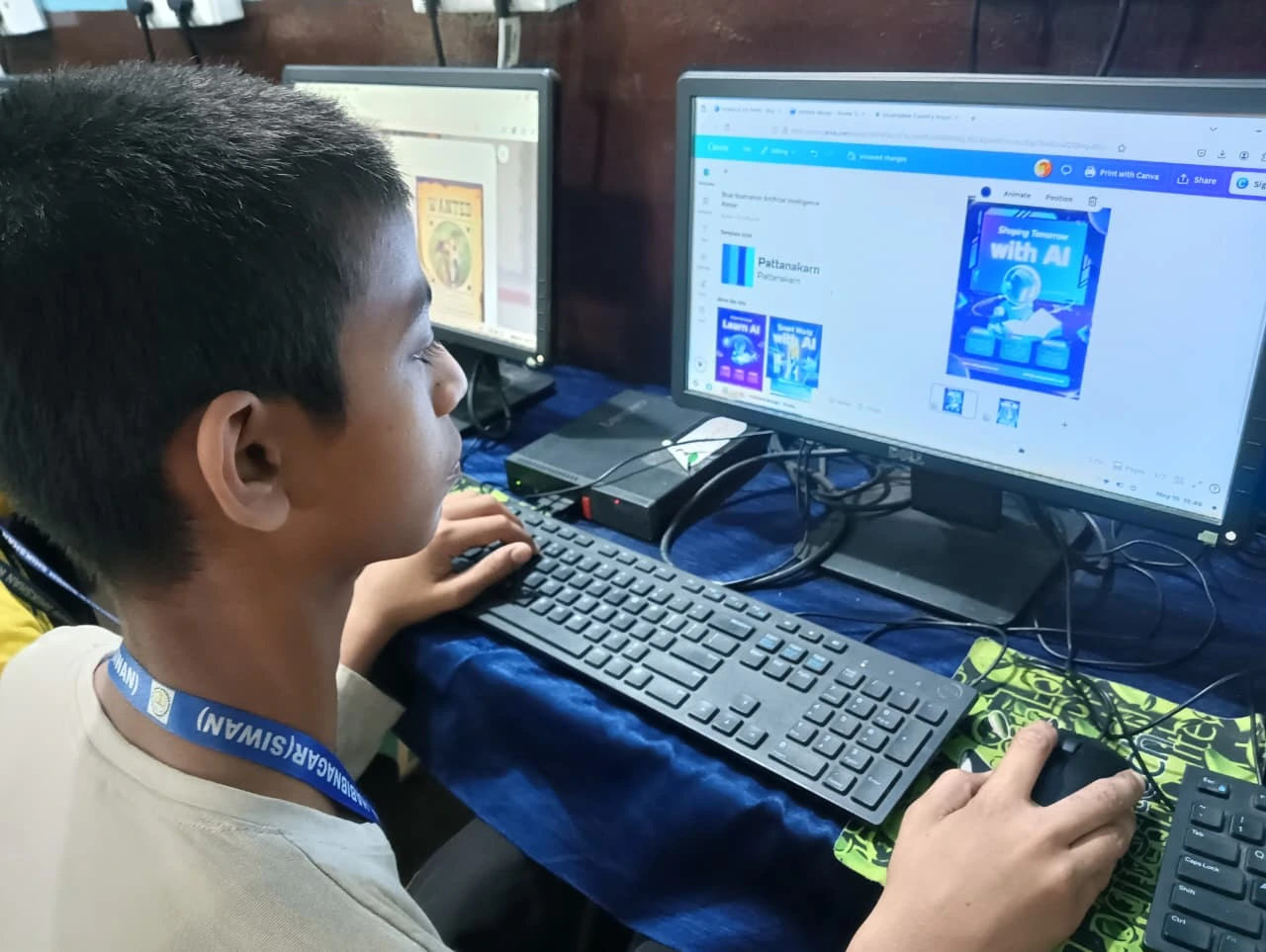
The future of education is not coming; it is already here. Platforms like DIKSHA, India’s national digital learning platform, now offer adaptive content and regional language support built specifically for Indian students. AI systems can recommend exercises based on mistakes from last week, adjust difficulty in real time, and explain the same concept in multiple ways until the student understands.
Students in Tier 2 and Tier 3 cities can now access the same quality of explanation that private coaching centers once monopolized. But such technology only works when access is consistent. A borrowed phone shared between siblings does not provide a student the focused, uninterrupted time these tools require. According to UNESCO global education research, personalized learning significantly improves outcomes, especially for students who fall behind in standard classroom settings. But personalization only functions with consistent, daily time on the same device. Without that, the system cannot personalize anything at all.
The Hidden Cost of Sharing a Device
AI in education is designed to build on what came before. Each study session should inform the next. When that continuity breaks, because the phone was unavailable on Monday, then Wednesday, and then again on the weekend, the system resets. The student does not progress steadily. They cover the same ground repeatedly without moving forward. And because everyone thinks the device was simply unavailable, the student is blamed for not working hard enough.
When a student shares a device, the effects go far beyond scheduling inconvenience. Their study routine breaks. They skip revision sessions because someone else occupies the phone. They avoid exploring difficult topics because they feel rushed. Over weeks and months, they fall behind not due to a lack of capability, but because access was always out of reach. This is the hidden cost of inconsistent access. It does not appear in a report card note. It shows up quietly, as a grade that slips, a subject abandoned, or a student who gradually stops believing they can catch up.
Why Is a Personal Computer the Right Foundation for Learning?
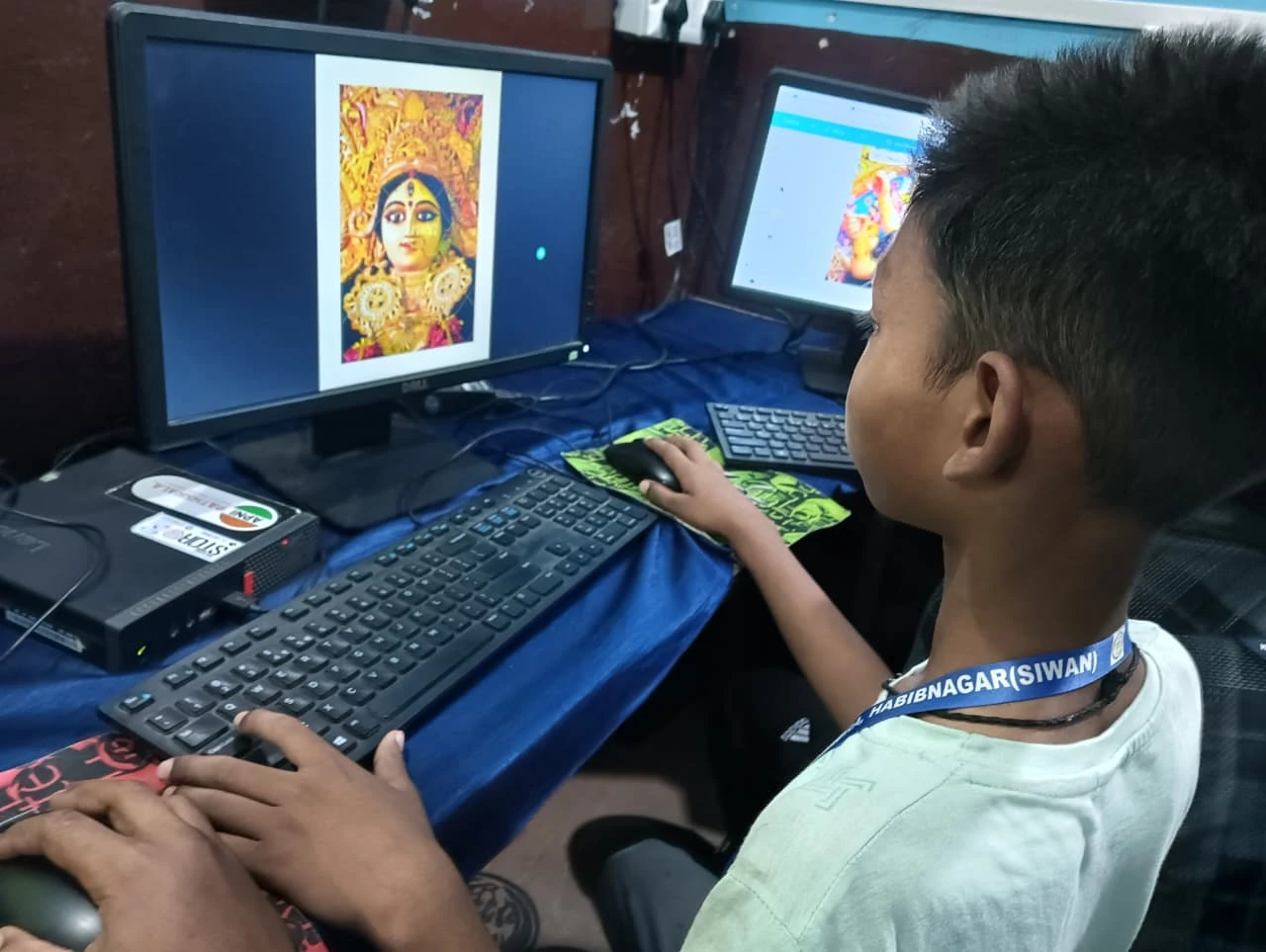
A smartphone works for messaging and short videos. It does not work well for extended, focused learning. Screens are small, keyboards are absent, and navigating multiple study resources simultaneously becomes genuinely difficult. Why Every Indian Student Needs Their Own Computers are not a luxury conversation; they are a practical question about building the right environment for serious study in the AI era.
With a proper keyboard and full screen, students write more, research more deeply, and stay focused for longer. They build skills naturally, typing, navigating digital platforms, and using documents and spreadsheets, that prepare them for board exams and future employment. How a Personal Computer Helps Students Learn goes well beyond homework. It changes how a student approaches problems, how independently they think, and how confidently they engage with modern tools.
Apna PC was built to close exactly this gap. At ₹21,000 (shipping and GST excluded), it puts a full educational computer within reach of Indian families who have been priced out of quality devices. It runs all major AI learning platforms, NCERT digital resources, and educational software without compromise, without lag, and without a shared schedule.
Consistent access is not a privilege; it is the foundation every student needs to learn well in the AI era. Visit apnapc.com to learn more.