

Reema studied harder than most students in her class. She revised her notes every evening, stayed up late before exams, and rarely missed school. Yet she kept struggling with chemistry while her classmates moved ahead. The problem was not effort. The problem was structure. Her school moved at one fixed speed, and that speed was not hers. Flexible learning for students means matching the pace of education to actual understanding, not the other way around. That single difference changes everything about how a student grows.
What Does Learning Freedom Actually Look Like?
Learning freedom is not about skipping school or avoiding discipline. It is the ability to slow down on a difficult topic and move faster on one already understood. Self-paced learning gives students exactly this control. Instead of waiting for the class to catch up, or rushing to keep pace with it, a student learns at the speed their understanding actually requires.
In a classroom of forty students, a teacher must move at a pace that works for most. That means some students are always waiting, and others are always behind. Neither group is learning at their full capacity. Self-paced learning breaks this unavoidable compromise. Students who grasp a concept quickly can move ahead immediately. Students who need more time can take it, without embarrassment, without disrupting others, and without permanently falling behind.
This flexibility is not a privilege. It is what genuine learning actually requires. Every student’s mind absorbs information at a different speed and needs a different amount of practice. A single fixed pace in a crowded classroom cannot serve all of them equally, no matter how skilled or dedicated the teacher is.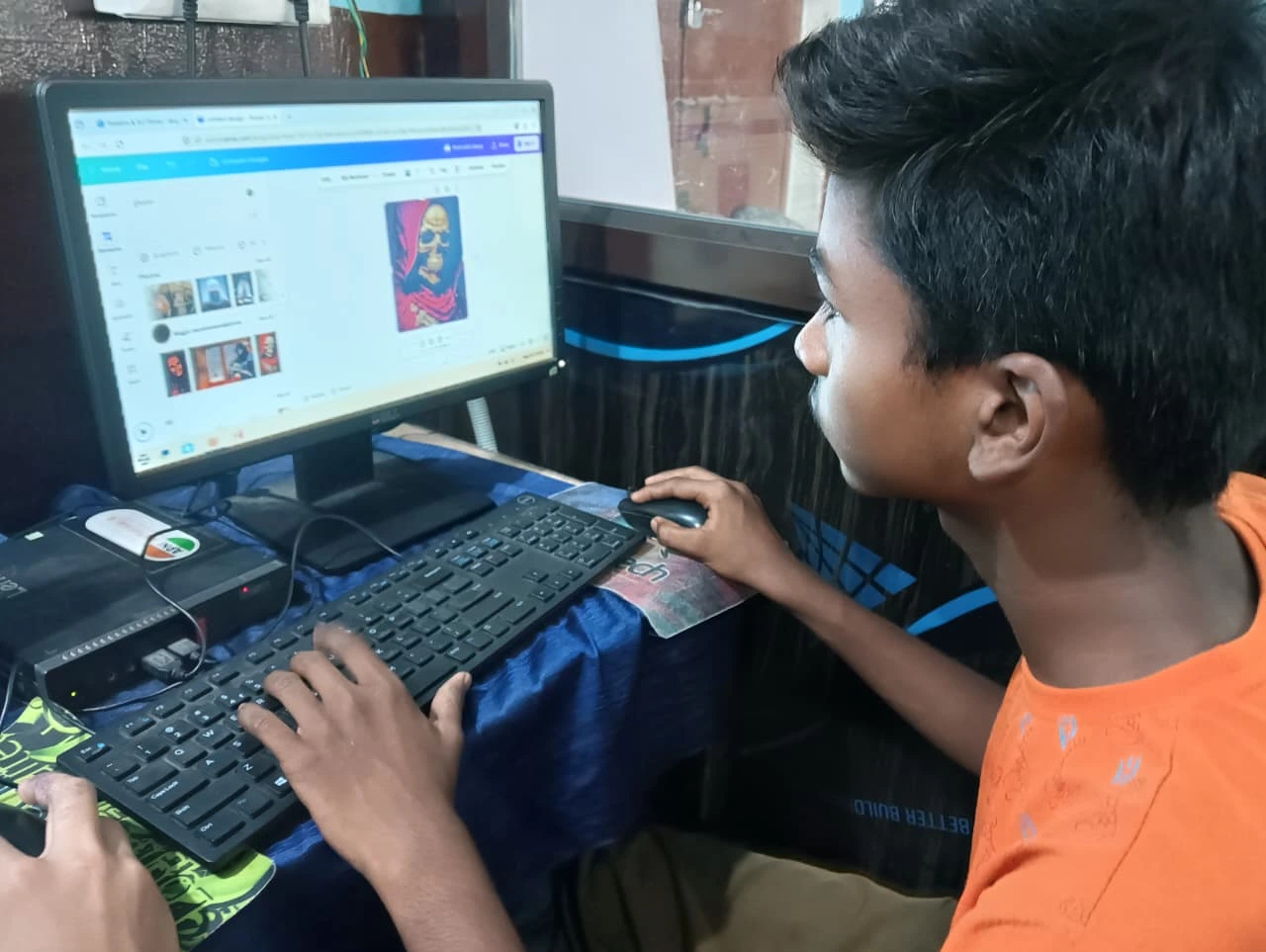
What do learning restrictions look like in practice?
Most students live with learning flexibility restrictions without ever naming them. It is the student who cannot go back to re-read a chapter because the class has already moved on. It is the student who misses a key concept during a week of illness and spends the rest of the term half-lost. It is the student who understands the theory well enough but never receives sufficient practice time before the exam because the schedule advances regardless.
Learning restrictions also come from outside the classroom. When siblings share a phone, their study time depends on availability rather than readiness. They open a video explanation in the middle of a noisy family evening. They solve practice problems in fifteen-minute windows rather than extended, focused sessions. They cannot build momentum because every session is interrupted before it properly begins.
Removing these restrictions changes how students learn. When a student can revisit a recorded explanation and pause at the exact difficult moment, the concept actually sticks. When they can access practice problems on a Sunday afternoon when concentration is sharp, or review a formula the night before an exam, they learn in the windows that work for them. According to NCERT (National Council of Educational Research and Training), students learn most effectively when instruction adapts to individual pace and need. A personal device is the most practical way to deliver this kind of flexibility for families who cannot afford private tutoring.
Why Do Online Learning Benefits Need the Right Foundation?
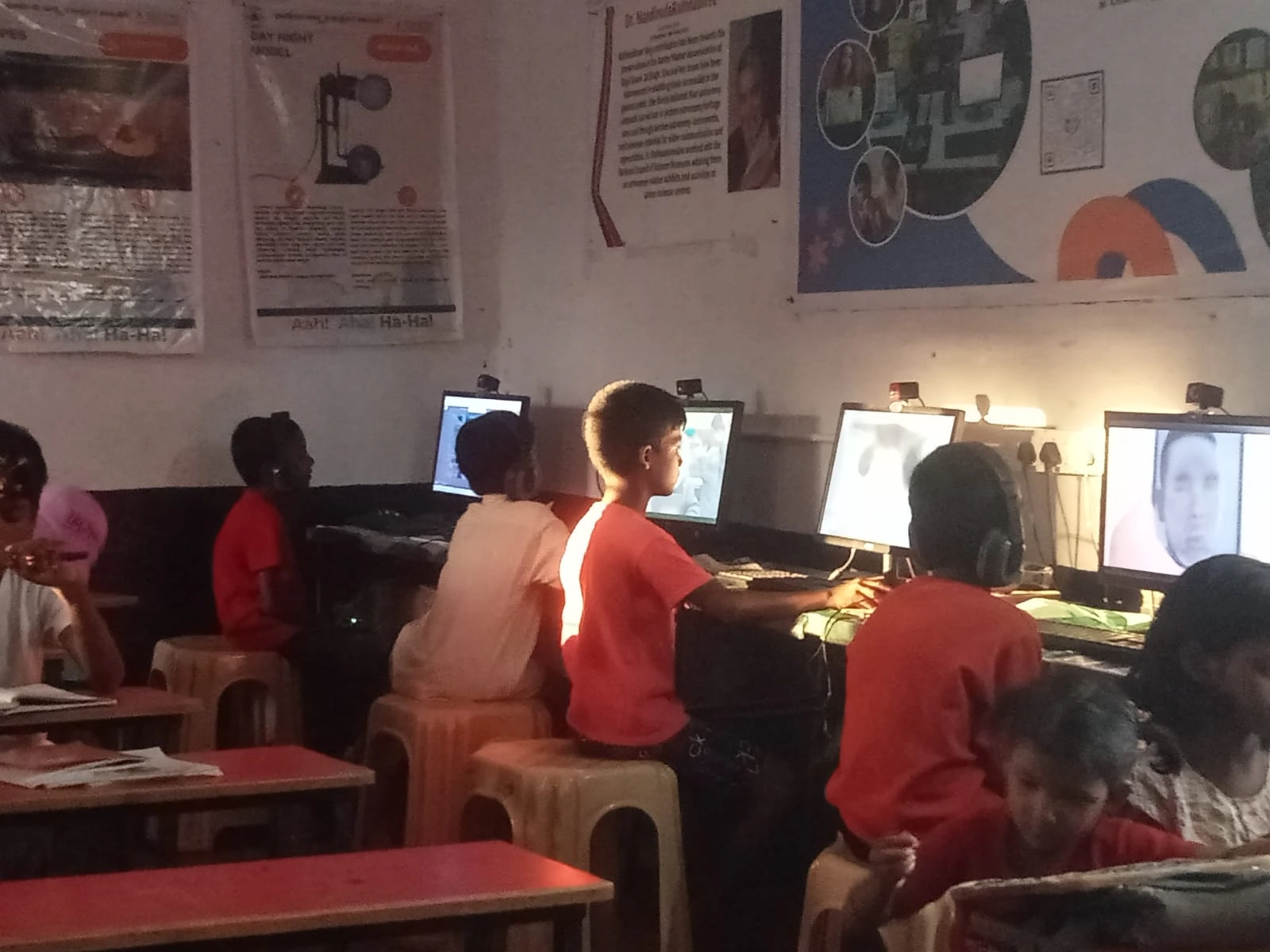
The online learning benefits that students and parents hear about, adaptive practice, personalized feedback, AI-powered explanations, and video lessons at any hour, only become real when a student accesses them consistently on their own device. An online learning platform cannot personalize your experience if you log in twice a week from different devices. It cannot track your progress if you cut sessions short. Your study time cannot be adjusted to your pace if it depends on when the shared phone becomes available.
According to the UNICEF India education report, millions of Indian students have theoretical access to digital learning resources but lack the reliable, personal device needed to use them meaningfully. Access in name and access in practice are two entirely different things. A student who shares a family smartphone has access in name only. A student with their own computer has access in practice and a genuinely different learning experience as a result.
Apna PC was built to close exactly this gap. At ₹21,000 (shipping and GST excluded), it gives Indian students a personal computer designed for flexible, self-directed learning. The student decides when to study, which topics need more time, and how long each session lasts. No shared schedules, no borrowed devices, no restrictions imposed by someone else’s availability.
If you want to understand what students lose without consistent personal access, The Hidden Cost of Not Having a Computer in 2026 explains it clearly. And What Is Apna PC It walks through exactly what becomes possible when every student has their own dedicated learning device.
Learning freedom is not a privilege for students in expensive private schools. It is something every Indian student deserves and something every Indian family can now give their children. Visit apnapc.com to learn more.