

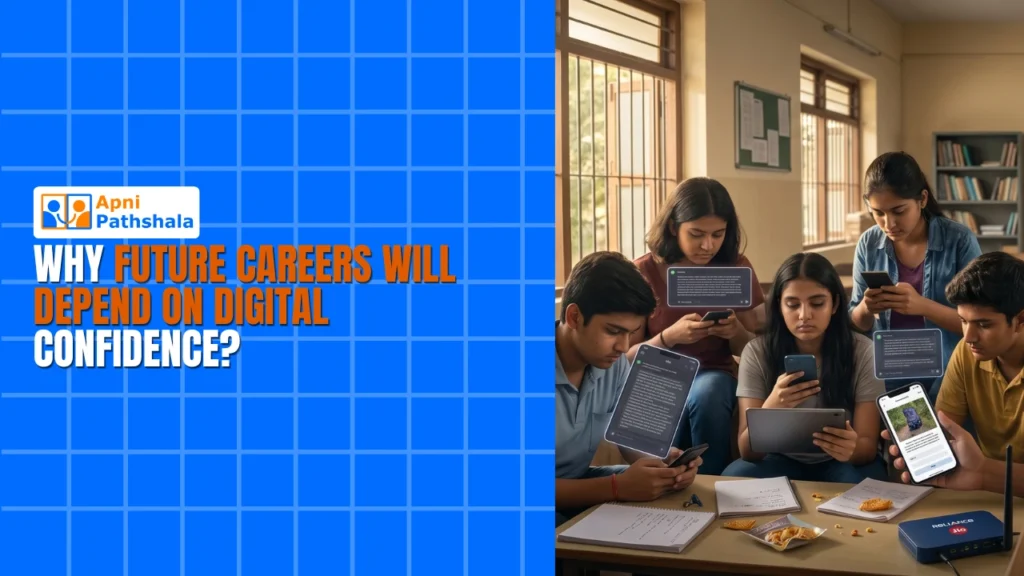
Thousands of Indian students finish school every year with solid marks but still find it difficult to get a job. It is not always about what they studied or how hard they worked. Often, the issue is that they lack comfort with computers. Digital confidence is the ability to sit in front of any technology and know you can figure it out. And in 2026, that ability is fast becoming one of the most important things any employer looks for in a new hire.
What Is Digital Confidence, and Why Does It Go Beyond Typing?
Many people think digital confidence just means typing fast or knowing one particular software. It is much more than that. A digitally confident person feels comfortable using unfamiliar tools, navigating new platforms, or completing tasks they have never done online before. They do not freeze. They explore, try, adjust, and figure it out.
Students who develop strong digital skills early in life carry this ease everywhere. They can organize their work in digital folders, write a formal email without help, search for information and assess whether it is reliable, and present an idea using basic slideshow tools. None of these are complicated. But all of them require regular practice, not just reading about how to do it.
This kind of comfort does not come from a two-hour computer class. It builds slowly, over months of daily use, through trial and error, through just spending time with a device and getting used to it.
According to UNESCO global education research, digital literacy is now considered a foundational life skill as essential as reading or basic arithmetic. Countries and communities that give students early access to technology consistently produce more confident, career-ready graduates.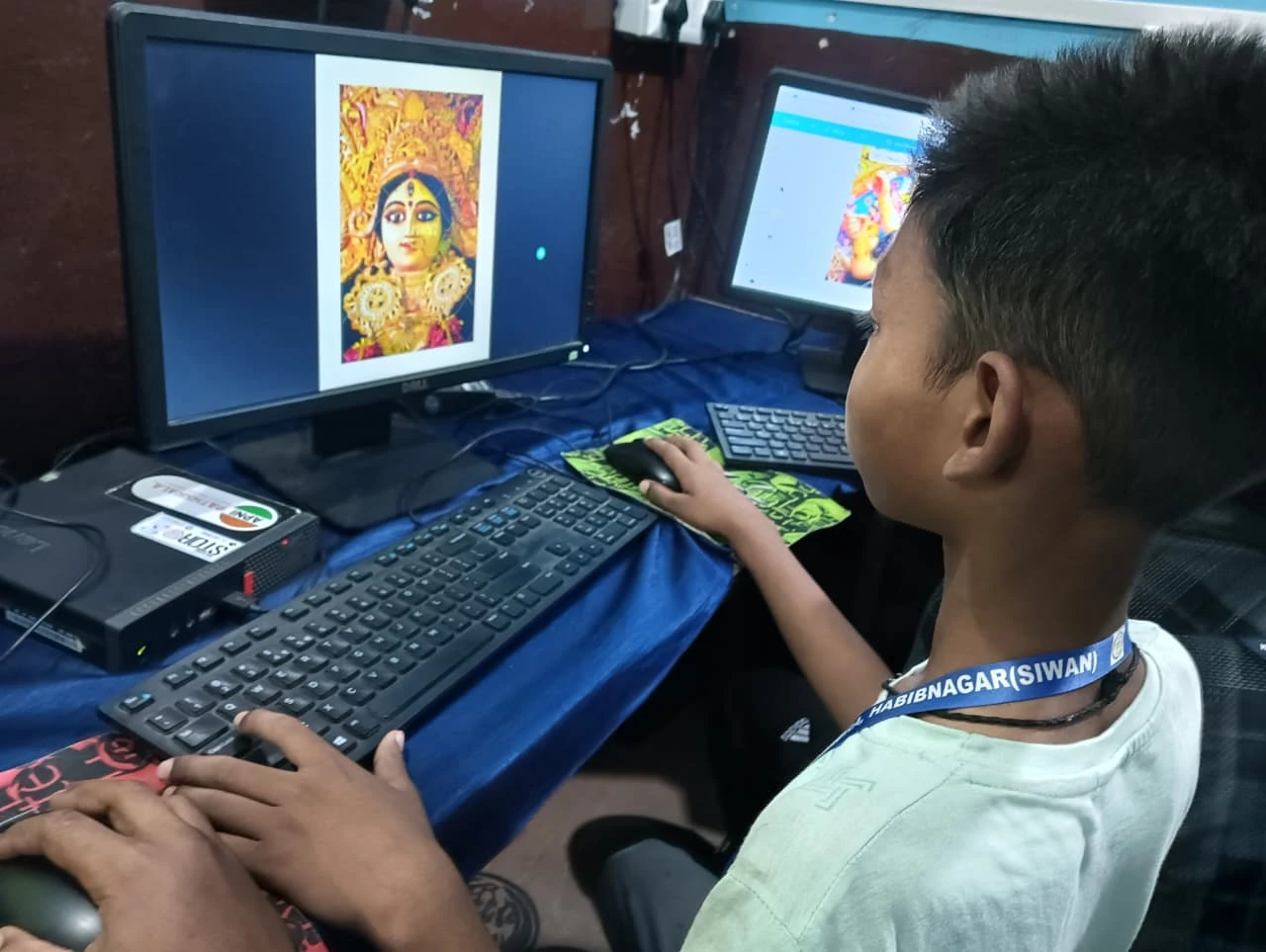
Career Readiness Skills Every Indian Job Now Expects
Take any career path available to a student in India today: banking, government service, healthcare, teaching, retail, logistics, or even agriculture. Every single one of these fields now requires basic digital ability. This does not include advanced programming or complex software knowledge. Only the everyday basics are required, and you should be able to do them with ease.
Here is what most workplaces now expect a fresh candidate to already know:
- Opening and managing email professionally, writing, replying, and attaching files
- Using word processors to write reports, applications, and letters
- Navigating government portals for registrations, renewals, and applications
- Handling basic spreadsheets for tracking information or simple records
- Searching online, evaluating sources, and finding accurate information
- Presenting work or ideas through a simple slideshow or PDF
Most schools do not teach these career readiness skills. They are assumed. Employers do not train new hires on how to send an email or open a shared document. They expect candidates to already know. Students who can’t do these things confidently fall behind in interviews and their first weeks of work, no matter their grades.
DIKSHA India’s national digital learning platform is a direct sign of how rapidly education itself is going digital. Courses, assignments, and assessments are increasingly available online. Students who are already comfortable with digital platforms absorb this material naturally. Students often struggle not with the content itself, but with navigating the platform it lives on.
Why Technology Skills Must Be Built at Home, Not Just at School?
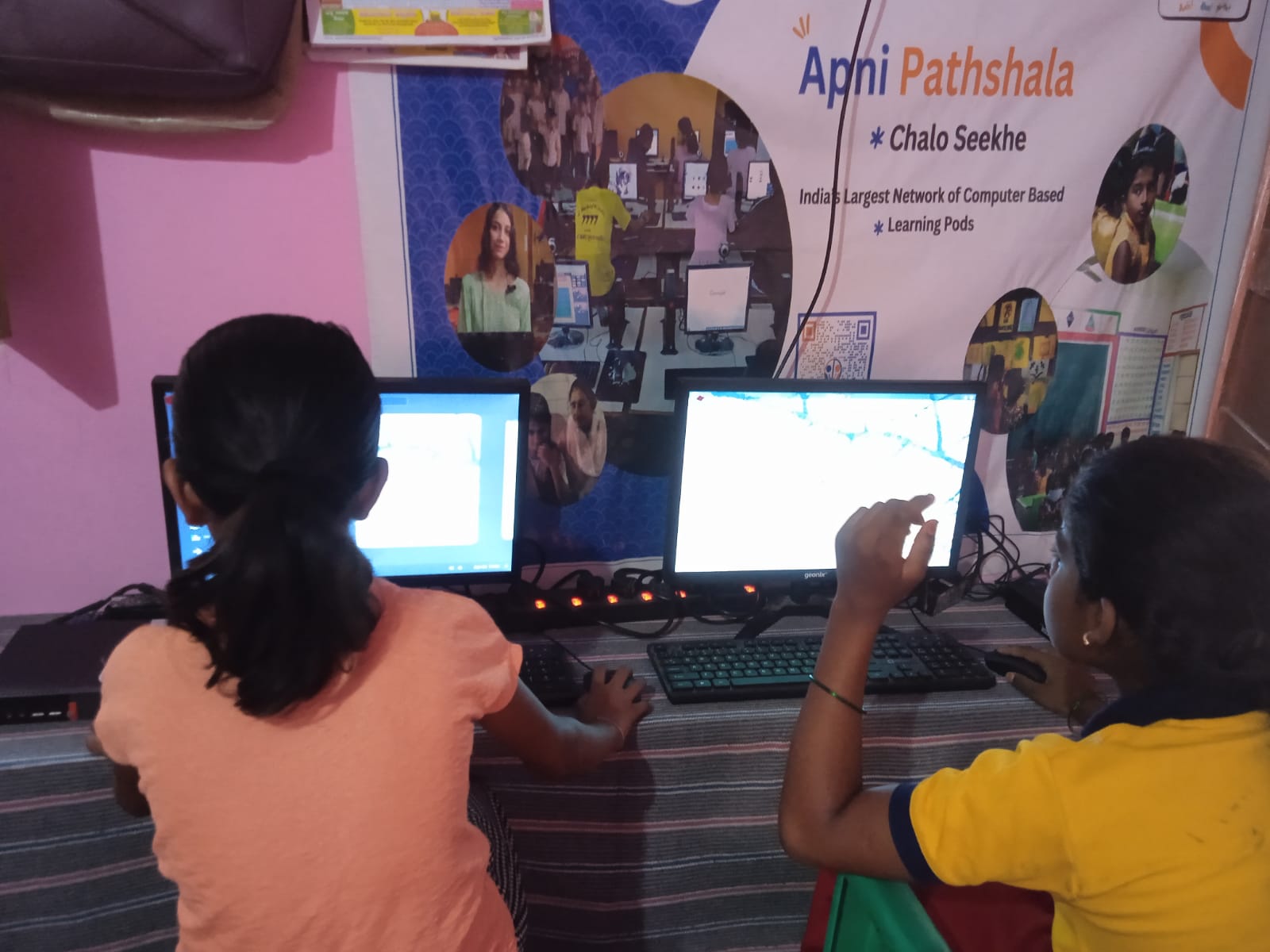
Schools do the best they can. However, a computer lab shared by 40 students, with only two 45-minute sessions per week, is not conducive to developing real technology skills. Real fluency develops through daily use: opening a computer in the evening, trying to write something, searching for an answer, making a mistake, fixing it, and doing it again the next day. That kind of repeated practice turns a nervous beginner into a confident user.
This gap hits students from Tier 2 and Tier 3 cities the hardest. Students growing up in metros often have a computer at home from primary school and spend years becoming completely comfortable with technology before they ever sit in an interview room. Students from smaller towns frequently reach their final year of college, or their first job interview, without that same foundation. The technology skills gap between them is not about ability. It is about access.
A student who practices daily at home for one year does not just become faster at typing. They become genuinely more capable, more resourceful, more adaptable, and more ready for whatever tools a new workplace puts in front of them. Daily access to a personal computer fosters these skills.
Read more about why this access matters: Why Every Indian Student Needs Their Own Computer and The Hidden Cost of Not Having a Computer in 2026.
Apna PC is built for exactly this purpose: a dedicated computer for Indian students, available at ₹21,000 (shipping and GST excluded), designed to give every family the tool their child needs to build genuine digital confidence from home. If you want your child to walk into a future career ready and comfortable, not catching up, start by giving them consistent, daily access to their machine. Visit apnapc.com to learn more.