

Sruthi was in Class 9 when she got her first computer. Her father works in construction long hours, and unpredictable income. But somehow, her family made it happen. That one device changed everything for her.
She didn’t just use it for homework. She explored. She made mistakes. She figured things out on her own. That’s what a personal computer does that a shared school computer never can it gives you space to grow.
The Difference Between Access and Ownership
There’s a big difference between using a computer at school for 40 minutes a week and having one at home that’s yours.
When a computer is yours, you experiment. You break things and fix them. You come back to it at 10 PM because you’re curious about something. You learn because you want to, not because a bell is about to ring.
Most students in India share devices a phone, a sibling’s tablet, a school lab computer. None of those give you the freedom to really learn.
What Actually Happens When Students Get Their Own Computer
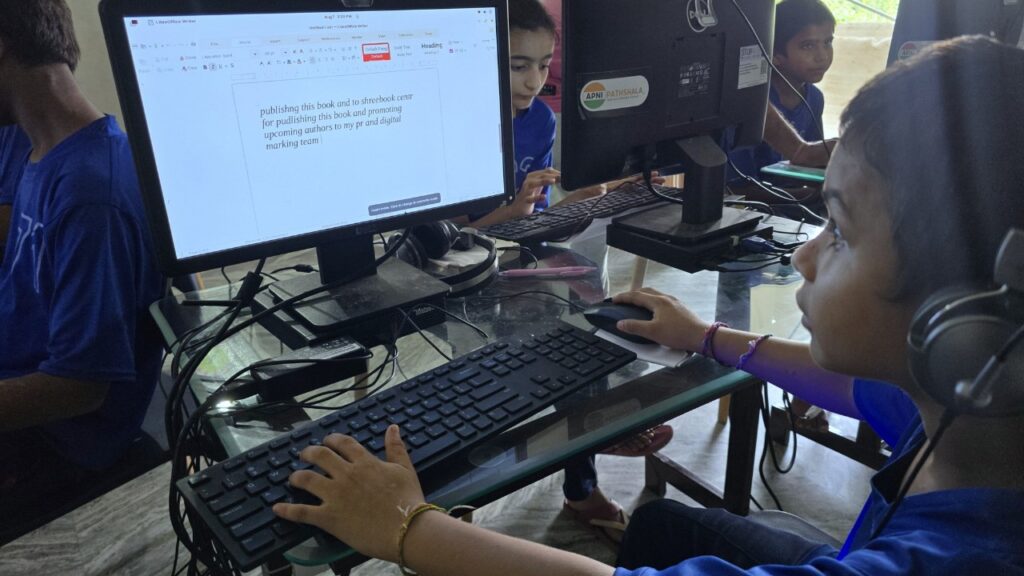
- Homework stops being a struggle; they can research, type, and present properly
- Curiosity gets fed YouTube tutorials, coding platforms, and reading anything
- Skills stack up typing, file management, email, spreadsheets, things schools don’t always teach
- Confidence builds, they figure things out themselves instead of waiting for help
These aren’t small things. These are the building blocks of every career path in 2026.
Why Phones Don’t Cut It
A phone is for consuming. A computer is for creating.
You can’t write a proper essay on a phone. You can’t build a spreadsheet. You can’t learn to code, design a poster, or edit a video with real control. The screen is too small, the keyboard is virtual, and multitasking is painful.
Students who only use phones for “digital learning” are getting a fraction of what they could get. It’s like trying to learn swimming in a bathtub.
The Competitive Reality
Here’s the thing no one says out loud: students who grow up with personal computers are just better prepared.
They know how to type fast. They know how to search effectively. They’ve already made PowerPoint presentations, used Google Docs, and maybe even tried some basic coding. When they walk into college or a job interview, they’re not starting from zero.
Students without that exposure have to catch up. And catching up while also trying to keep pace with everything else? That’s hard.
According to UNICEF India’s education reports, digital access directly correlates with learning outcomes. It’s not just about having a device, it’s about what consistent access to that device builds over time.
It’s Not About Expensive, It’s About Right
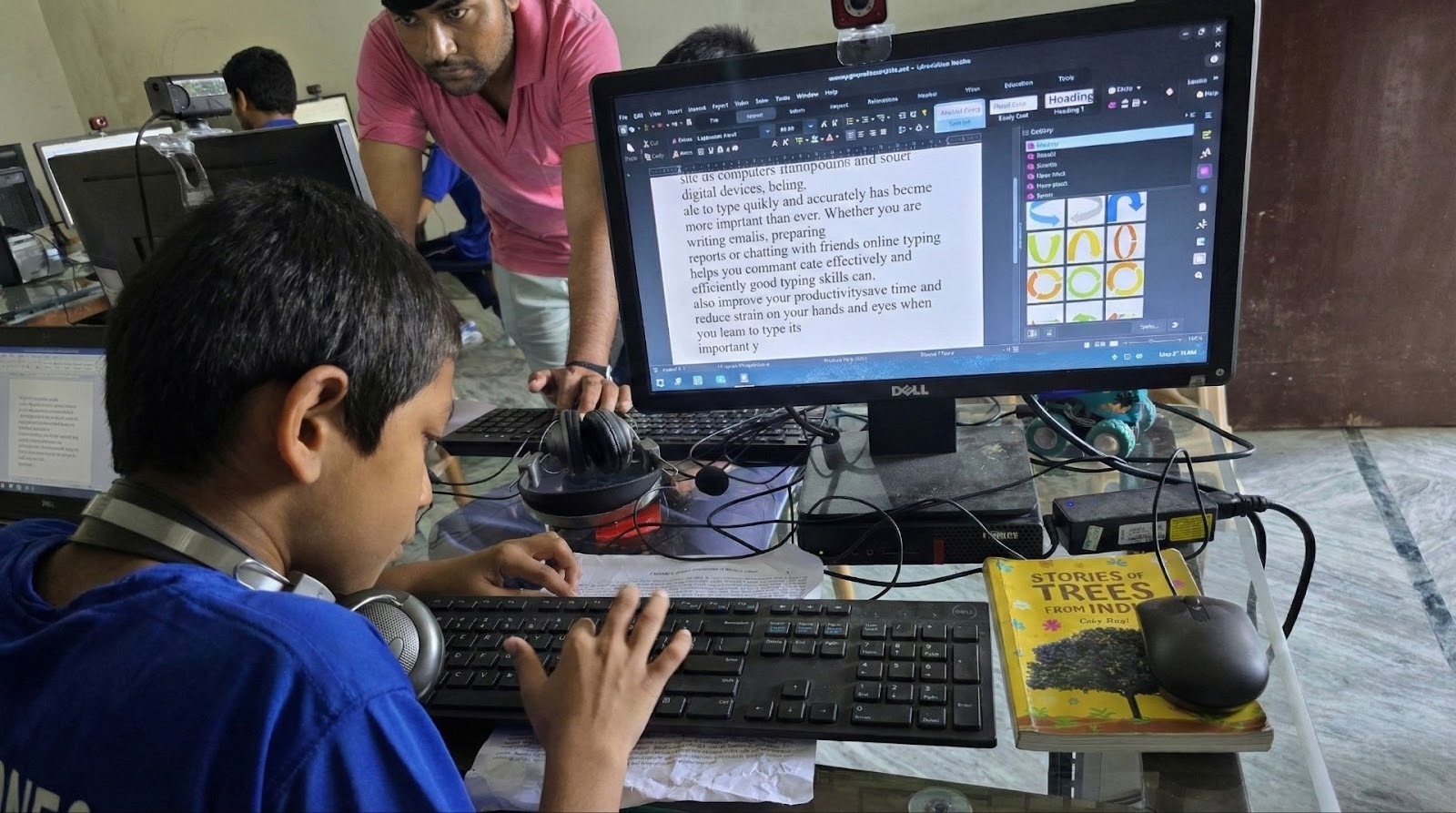
A first computer doesn’t need to be the latest model. It needs to be reliable, safe, and set up for learning.
Sruthi’s family didn’t buy the most expensive computer. They bought one that worked, one that had the right software, one that let her do everything she needed to do for school and then some. That’s what mattered.
The goal isn’t a gadget. The goal is a tool that grows with the student.
What Makes a Good First Computer for Students
- Reliable performance loads quickly, doesn’t freeze during important work
- Educational software tools that support learning, not just entertainment
- Parental oversight is built in so parents can see what’s being used without hovering
- Durable enough for a student’s daily life
- Affordable enough that it doesn’t put the family in a difficult spot
When all those boxes are ticked, a first computer isn’t just a purchase. It’s an investment in what the student becomes.
Sruthi’s Story, Multiplied
What happened to Sruthi is happening to students all over India when they finally get their first real computer. The transformation isn’t dramatic. It’s quiet and steady.
More confidence. Better grades. New skills. A clearer sense of what they’re capable of.
Every student deserves that start.
Ready to give your child their first real learning computer? Visit apnapc.com to find the right fit for your family.