

Surendra Kumar Saini grew up in a family that was, in his own words, “economically weaker.” The kind of family where every rupee is planned. Where buying a computer felt like a distant dream.
Today, he runs his own e-Mitra shop.
The turning point wasn’t some grand opportunity or a lucky break. It was learning digital skills actually sitting down, learning how computers work, and realizing he could do things with them that other people needed help with. That realization changed how he saw himself.
What Confidence Actually Looks Like
We talk about confidence like it’s a personality trait. Like some people just have it and others don’t.
But watch a student figure out how to make their first presentation. Watch them realize they can use a spreadsheet to organize data. Watch them export a PDF or edit a photo or format a document properly for the first time.
That’s confidence being built in real time. Through doing, not being told.
Why Rural Students Start at a Disadvantage
In cities, kids grow up around technology. Parents use computers for work. Relatives share tips. There are coaching centers with labs. Tech is in the air.
In rural areas, it’s different. The first time many students touch a computer is in a school lab if their school even has one. The session is 30 minutes. There are 40 students. The teacher is doing their best with what they have.
That gap isn’t about intelligence. It’s about exposure. And exposure, once given, changes everything.
The Skill That Teaches You to Learn
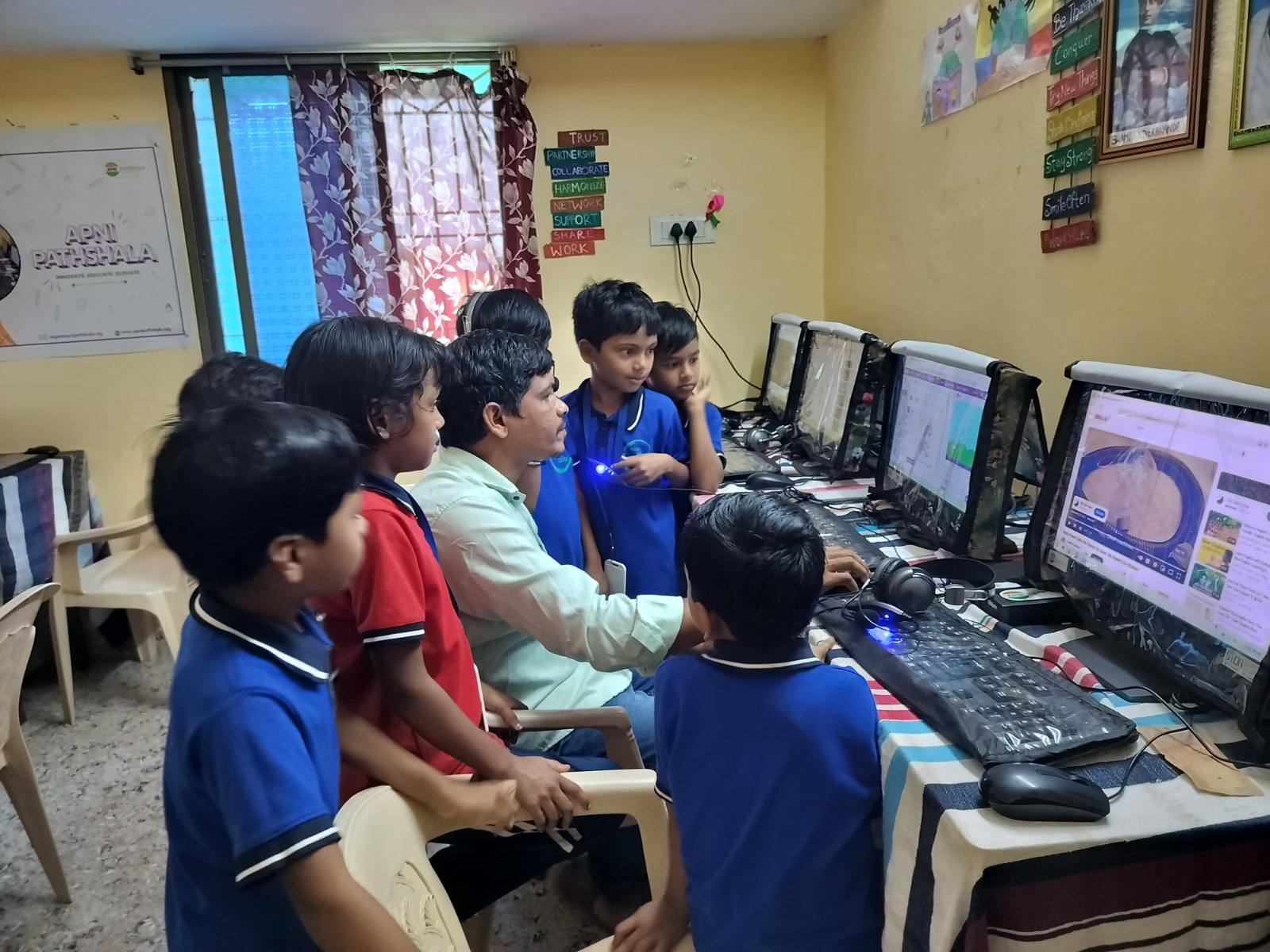
Here’s what’s interesting about digital skills: learning them teaches you how to learn other things.
When a student figures out how to use a computer, they go through a process. They try something. It doesn’t work. They look it up. They try again. It works. They move on to the next thing.
That process that loop of attempt, fail, search, succeed is one of the most valuable things a person can learn. It’s the foundation of self-directed learning.
Students who go through it with technology carry that approach into everything else. Maths. Science. New skills. Life.
Devendra’s Story
Devendra has a 90% hearing impairment. Most systems weren’t built for him. Most classrooms weren’t designed with him in mind.
But when he got access to digital tools, something shifted. He learned Canva. He learned video editing. He found a way to express himself and create things that other people valued.
His hearing never changed. But what he believed he could do? That changed completely.
Digital skills met him where he was and helped him go further than anyone expected including himself.
What Changes When Rural Students Get Real Digital Access
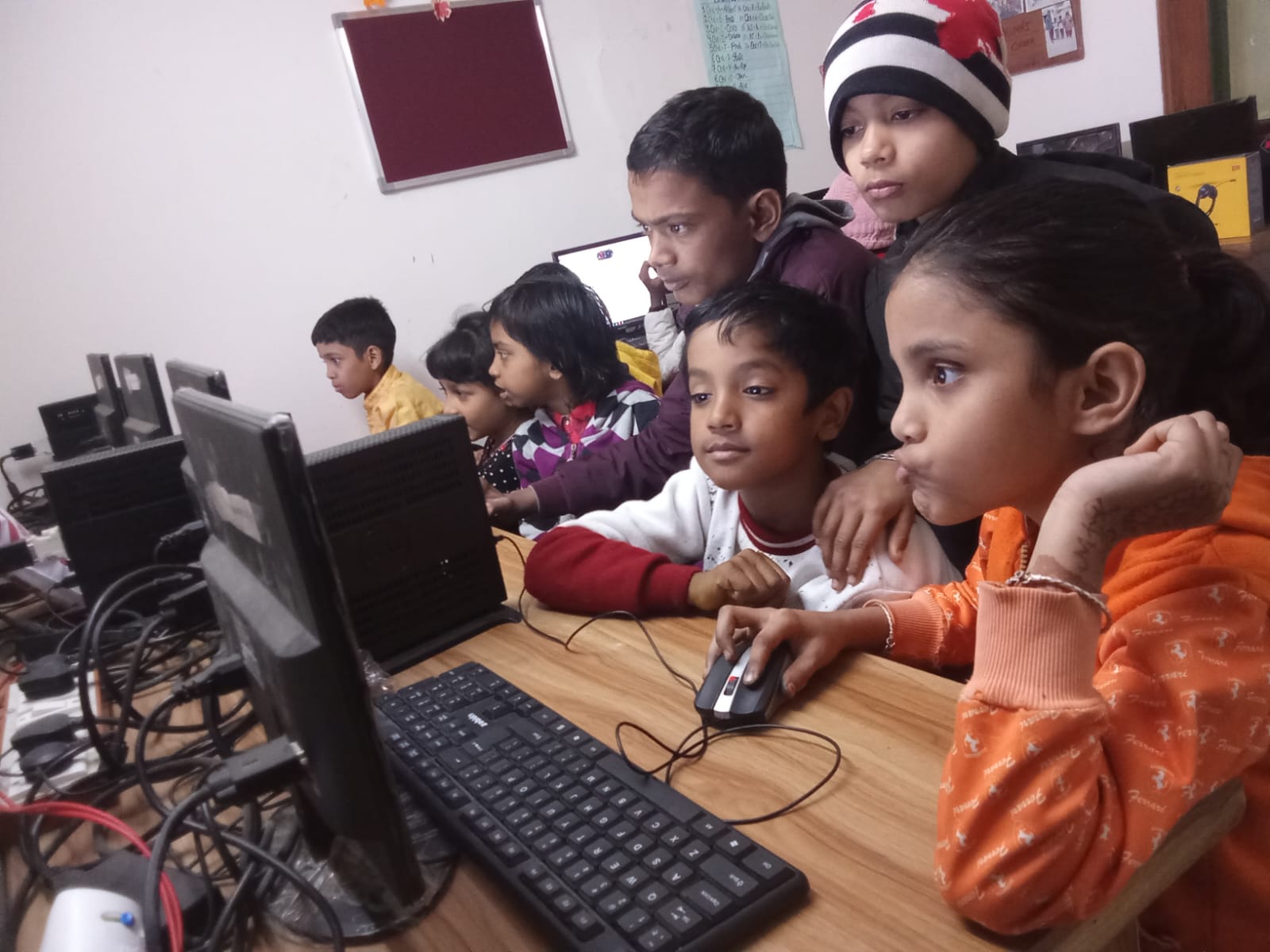
- They stop feeling left behind technology stops being something “city kids” have
- They discover what they’re good at design, writing, data, video everyone finds something
- They have options job markets open up when you have marketable digital skills
- They become the resource like Surendra, they become the person others come to for help
That last point is huge. Going from “I don’t know how to use this” to “I can help you with that” is one of the biggest confidence shifts a person can make.
It’s Not Just About Jobs
Yes, digital skills open up employment. But confidence from digital learning shows up everywhere.
In how a student speaks in class because they’ve prepared a proper presentation, not scribbled notes.
In how they interact with teachers because they’ve researched the topic and actually know things.
In how they think about their future because they’ve realized that not knowing something isn’t permanent. You can always learn.
The Digital India initiative has documented this pattern repeatedly: access to digital tools in rural communities correlates with increased participation in education, better academic performance, and stronger self-reported confidence among youth.
The Right Environment Matters
Digital access alone isn’t enough. The environment matters.
A student who gets a computer with no guidance, no structure, and no purpose-built software isn’t going to automatically develop confidence. They might just end up watching videos.
What builds confidence is structured digital learning software that encourages creation, platforms that track progress, tools that give feedback. A computer set up for learning, not just for use.
That’s the difference between a device and an education tool.
Give your child the environment to build real digital confidence. See how Apna PC sets up students for success.