

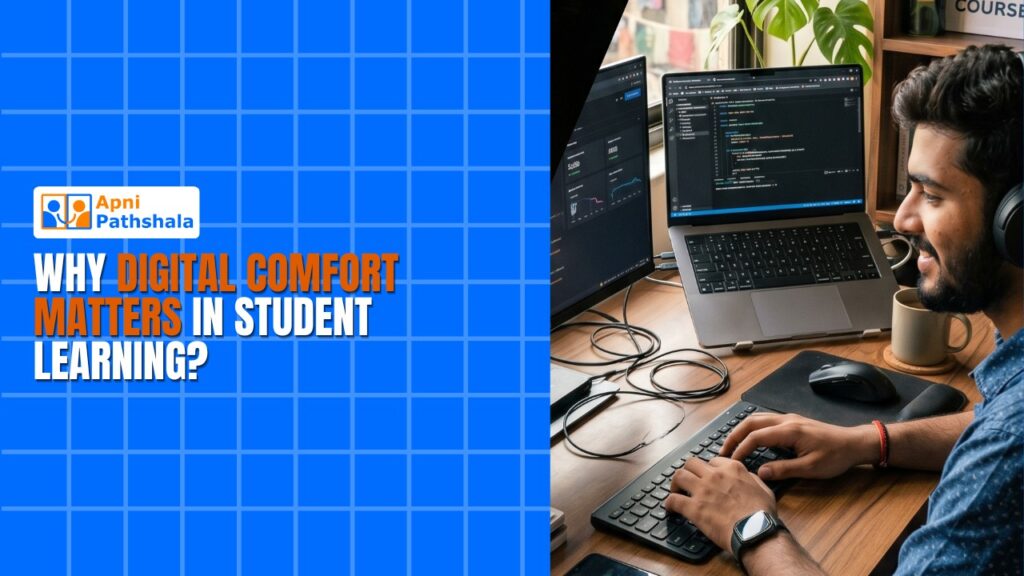
Many students in India sit down to study but feel stuck, not because the subject is hard, but because they are not comfortable with the tools they are using. A parent’s laptop, a phone with a cracked screen, or shared devices with no personal space, these things quietly hurt how students learn. Digital learning for students is not just about having internet access. It is about feeling confident and at ease when using technology to study.
What Is Digital Comfort, and Why Does It Matter?
Digital comfort means a student can open a device, find what they need, and start learning without confusion, frustration, or waiting. It sounds simple, but it is something millions of Indian students still do not have.
When a student is uncomfortable with technology, small things become big problems. They hesitate to explore. They skip videos they do not know how to play. They avoid typing because they are slow. All of this adds up to a worse online learning experience and less learning overall.
A student who is comfortable with a device, on the other hand, moves faster. They look things up. They try again when something does not work. They use technology as a tool, not a barrier. This is the foundation of real digital learning.
According to the UNICEF India education report, millions of children in India still lack consistent access to digital tools, which directly affects their ability to learn and grow. The gap is not just about connectivity; it is about confidence and familiarity with technology.
How Technology in Education Shapes the Way Students Learn
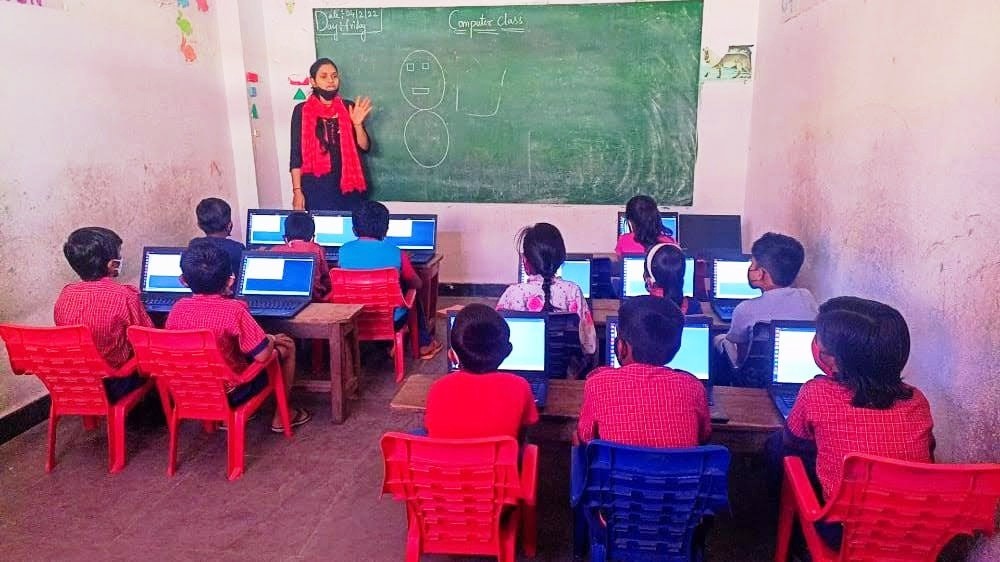
Technology in education has changed what is possible for every student. Resources that were once available only in big-city schools are now accessible to anyone with a device and an internet connection. Free video lectures, digital textbooks, practice tests, coding tools, and creative apps, all within reach.
But here is what most people miss: access is not the same as ability. A student who has access to YouTube but does not know how to search, save, or organise content will not learn as well as one who does. Technology only helps when the student knows how to use it comfortably.
This is why having a personal device makes such a difference. When a student uses the same computer every day, they build speed. They learn shortcuts. They know where their files are. They stop wasting time on setup and spend more time actually studying. That daily practice with technology builds a skill set that will serve them for life, not just in school, but in every career they may pursue.
NCERT (National Council of Educational Research and Training) has been working to integrate technology into the national curriculum, recognising that digital fluency is now a core part of modern education. Students who develop this fluency early hold a genuine advantage.
The Real Digital Education Benefits for Indian Families
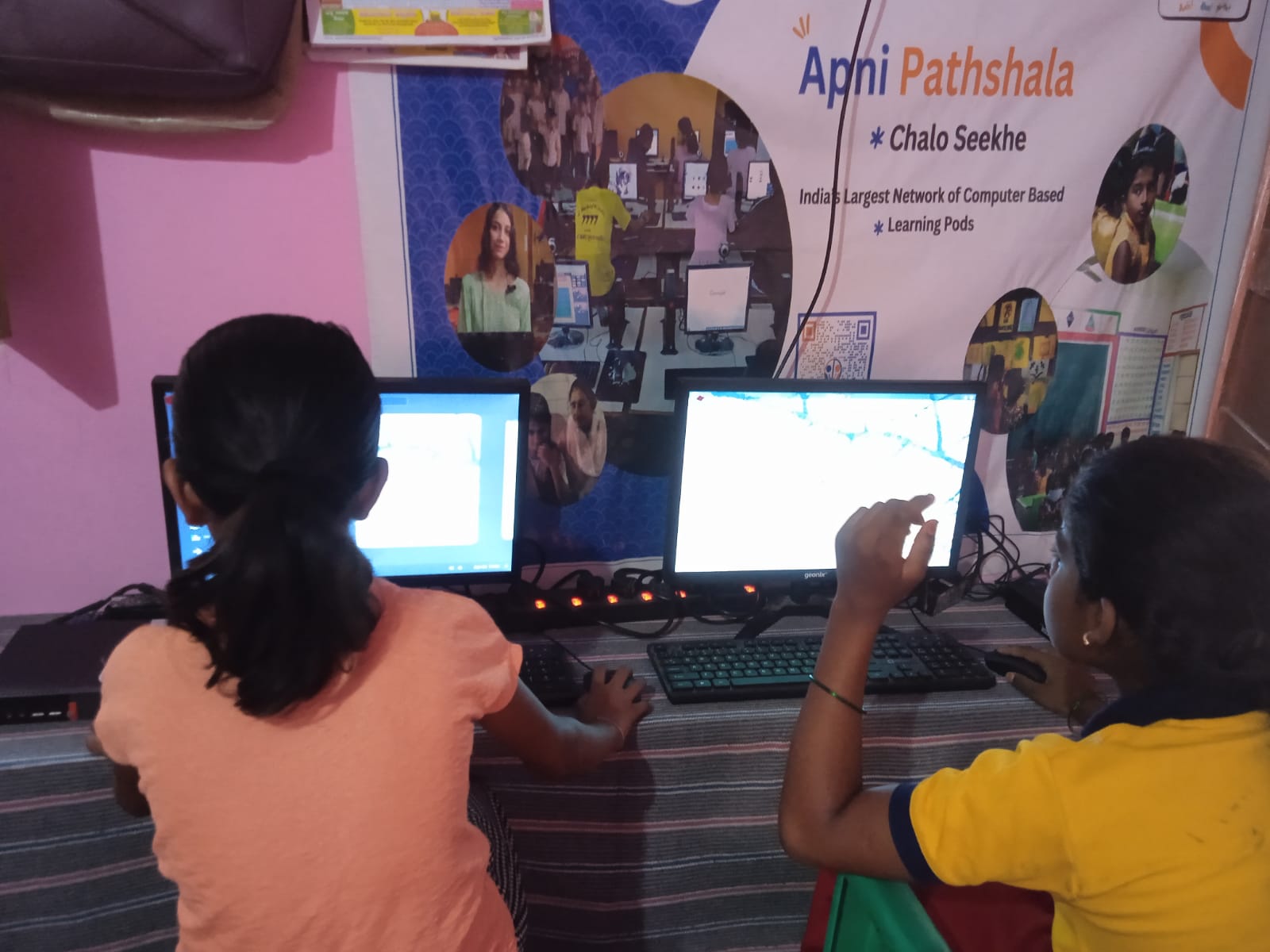
For parents in Tier 2 and Tier 3 cities, deciding to buy a computer for their child can feel like a big decision. But the benefits of digital education go far beyond schoolwork.
A student with their own device can attend online tuition, participate in government scholarship exams, apply to colleges, learn to type and design, and explore skills that no textbook teaches. These are not extras; they are the things that shape a student’s future.
Shared devices create invisible problems. Younger siblings interrupt study time. Parents need the phone for work. Late-night study sessions are not possible. The student is always adjusting, never really settling in. A personal computer removes all of that friction.
This is exactly what What Is Apna PC is built around, giving Indian students a device of their own so they can build real digital comfort, study consistently, and grow without interruption.
At just ₹21,000 (shipping and GST excluded), Apna PC is designed to be the most accessible entry point into quality digital education for Indian families. It is not just a computer. It is the beginning of a student’s digital independence.
And as explained in Why Every Indian Student Needs Their Own Computer, students who gain this comfort early adapt faster, learn more, and go further.
If you want your child to be truly ready for the world ahead, start by giving them a device they can call their own. Visit apnapc.com to learn more.