

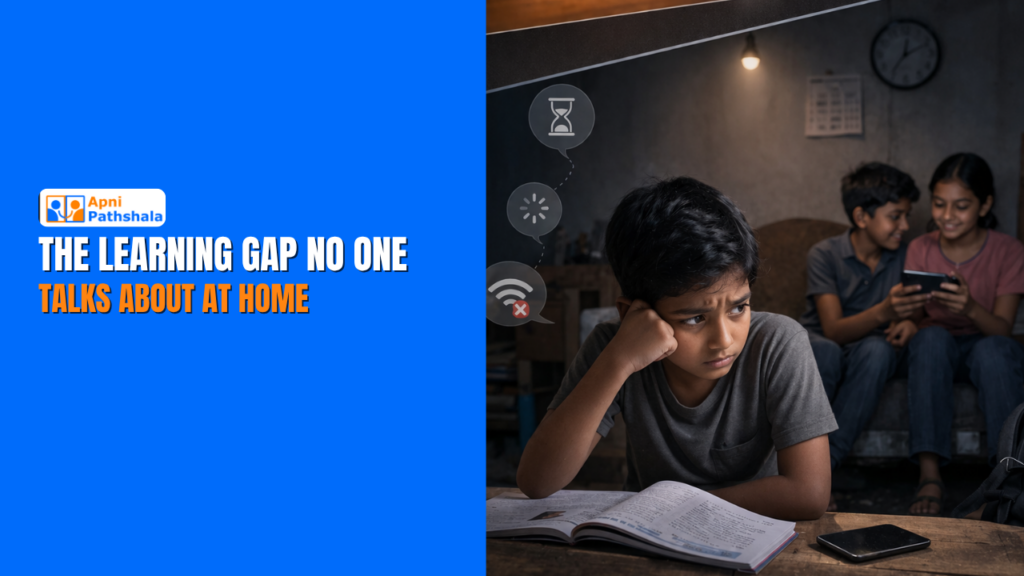
I first met Sruthi, a bright twelve year old from a small village in Telangana, and she showed me her school notebooks. Page after page of neat handwriting, perfect answers, top grades in every subject. Her teachers called her a star student. When I asked her to look up something simple on a computer, she froze. Not because she could not figure it out. She never had the chance to try. gap
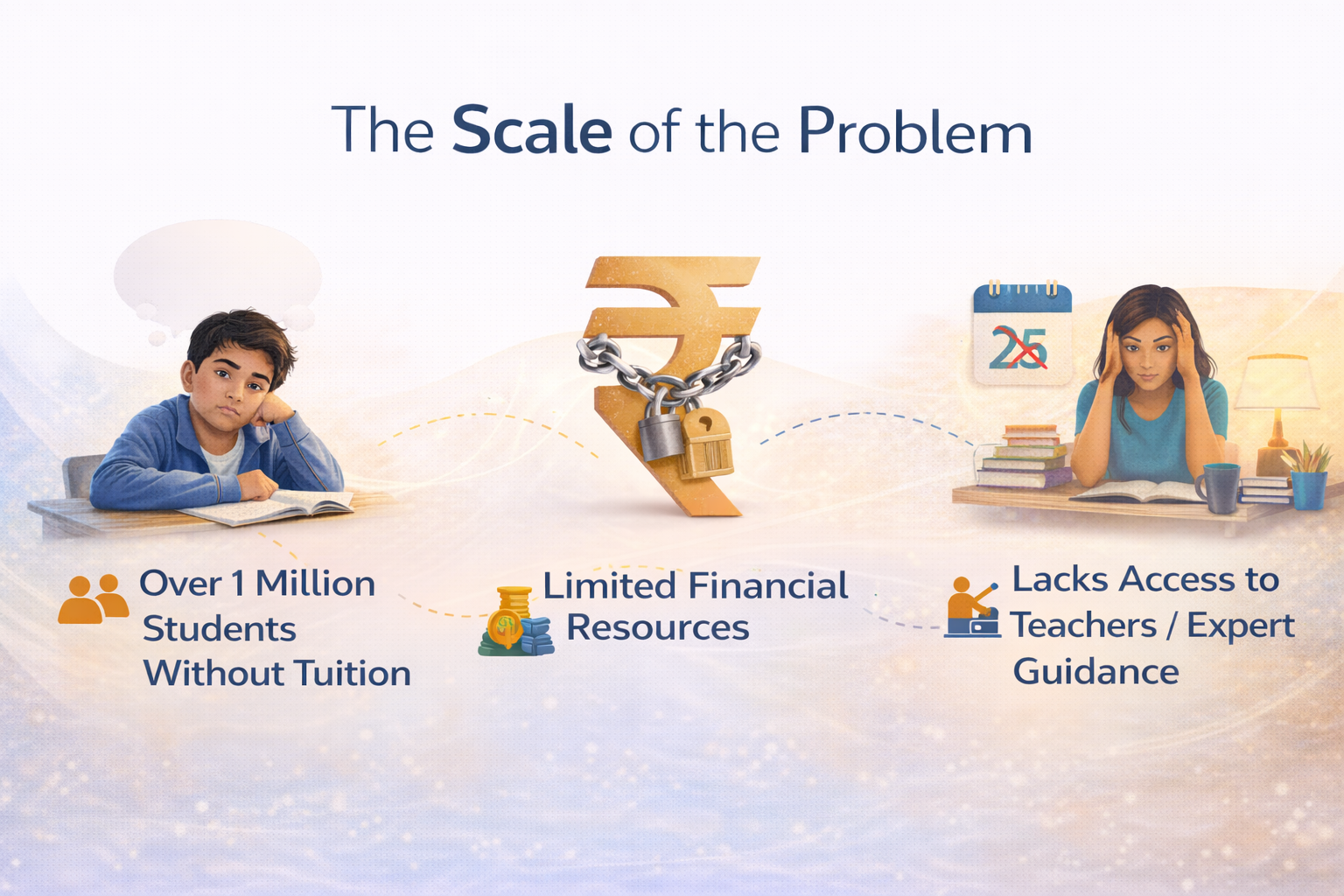
Sruthi is not alone. Millions of children across India face the same invisible barrier. They excel in classrooms, memorize textbooks, and pass exams with flying colors. They miss something crucial that their urban, wealthy peers take for granted. Access to a computer at home where they can explore, create, and learn at their own pace.
What Creates This Learning Gap at Home
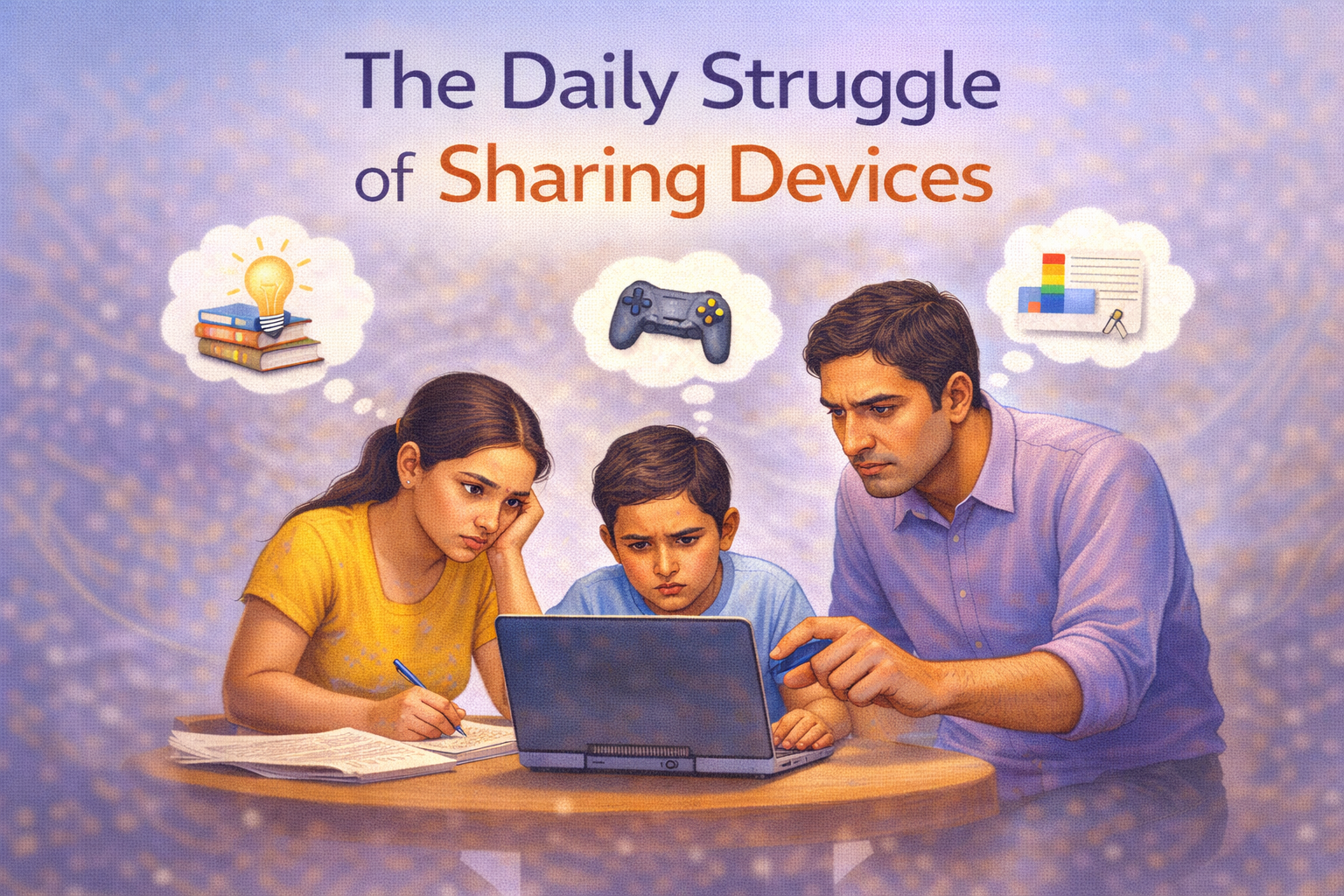
The learning gap at home does not come from laziness or lack of intelligence. It comes from access. When children cannot practice what they learn in school, when they cannot explore topics that interest them, when they cannot develop digital skills that every job now requires, they fall behind. Not because they cannot learn, but because they do not have the tools to keep learning after the school bell rings.
Think about it this way. A child who has a computer at home spends hours exploring, making mistakes, figuring things out. A child without one stops learning the moment they leave school. Over years, this difference compounds into an enormous advantage for some and an impossible gap for others.
Why Schools Cannot Fix This Alone
Teachers work hard to give students the best education possible. But schools have limits. Computer labs are shared among hundreds of students. Time is limited. Curriculum must be covered. There is simply not enough opportunity for every child to truly develop digital fluency during school hours.
This is where the learning gap at home becomes critical. What happens between 3 PM and 9 PM, during weekends and holidays, often determines whether a child thrives or merely survives academically. Families who can afford computers at home give their children hundreds of extra hours of learning each year. Families who cannot, watch their children fall further behind.
The Confidence Problem No One Sees
Beyond skills, there is something deeper at stake. Confidence. When Sruthi finally got access to a computer at a community center, her transformation was remarkable. At first, she was scared to touch it. Worried she might break something. Unsure of herself.
Within weeks, she was teaching other children. She discovered she loved design. She started creating presentations for school projects that amazed her teachers. The girl who had frozen in front of a screen now could not stay away from it. Her confidence spilled over into other subjects too.
This confidence shift is what access provides. It is not just about learning to use a computer. It is discovering what you are capable of when given the chance.
Simple Ways Families Can Bridge This Gap
Closing the learning gap at home does not require expensive solutions or technical expertise. It starts with recognizing that learning does not stop at the school gate. Parents can create small learning routines, even without being tech savvy themselves. Asking children about what they learned, showing interest in their projects, and celebrating their curiosity makes a massive difference.
Community resources matter too. Libraries, community centers, and local programs often provide computer access. But nothing compares to having a dedicated learning tool at home, where a child can explore without time limits or pressure.
How Affordable Technology Changes Everything
The good news is that bridging this gap has never been more achievable. Organizations like Khan Academy provide world class educational content for free. UNESCO reports consistently show that home access to learning tools dramatically improves educational outcomes.
What holds most families back is not awareness or desire. It is cost. Traditional computers are expensive, and many families simply cannot justify the expense. But what if there was an affordable option specifically designed for learning? One that provides everything a student needs without the premium price tag?
The learning gap at home is solvable. We have seen it with our own students. When children get access, they thrive. When they do not, the gap widens. What happens when a child has access and when they do not tells the full story.
The real difference between students who struggle and those who grow often comes down to what happens at home.
Every child deserves the chance Sruthi got. Every family deserves an affordable way to support their child’s dreams. If you want to close the learning gap at home for a student in your life, consider Apna PC at just ₹21,000 (shipping and GST included) from apnapc.com. It might be the most important investment you make in their future.