

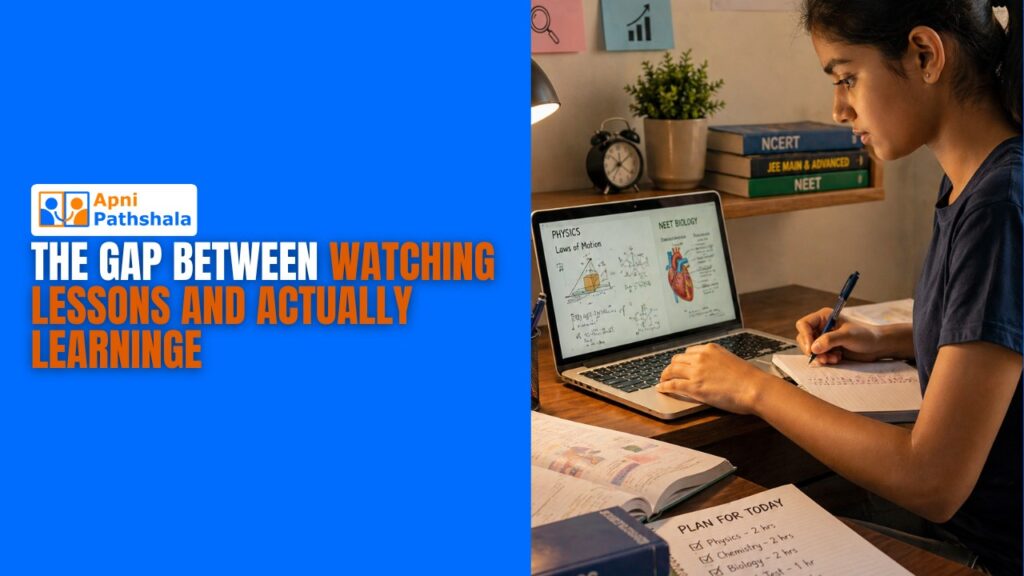
Many students spend hours watching online lessons, attending school, and reading notes, yet when the exam comes, the knowledge isn’t there. The problem isn’t effort. It’s the type of learning. Active learning for students is what turns information into understanding. Passive watching creates the illusion of learning without the reality. Closing that gap is one of the most important shifts a student, or a parent, can make.
What Is the Difference Between Passive and Active Learning?
The idea of passive learning vs active learning is simple, but the impact is significant. Passive learning means receiving information, watching, listening, and reading, without doing anything with it. Active learning means engaging with the material: practising, questioning, applying, and explaining back.
A student who watches a video lesson twice may feel confident. But a student who pauses the video, writes a summary, tries a problem, and checks their answer has actually processed the content. The first is exposure. The second is learning.
Most students default to passive learning because it feels easier. Watching requires no real effort. But the brain doesn’t retain what it doesn’t have to work for, and comfort during study is often a sign that nothing is actually being learned.
Effective Learning Methods That Actually Work
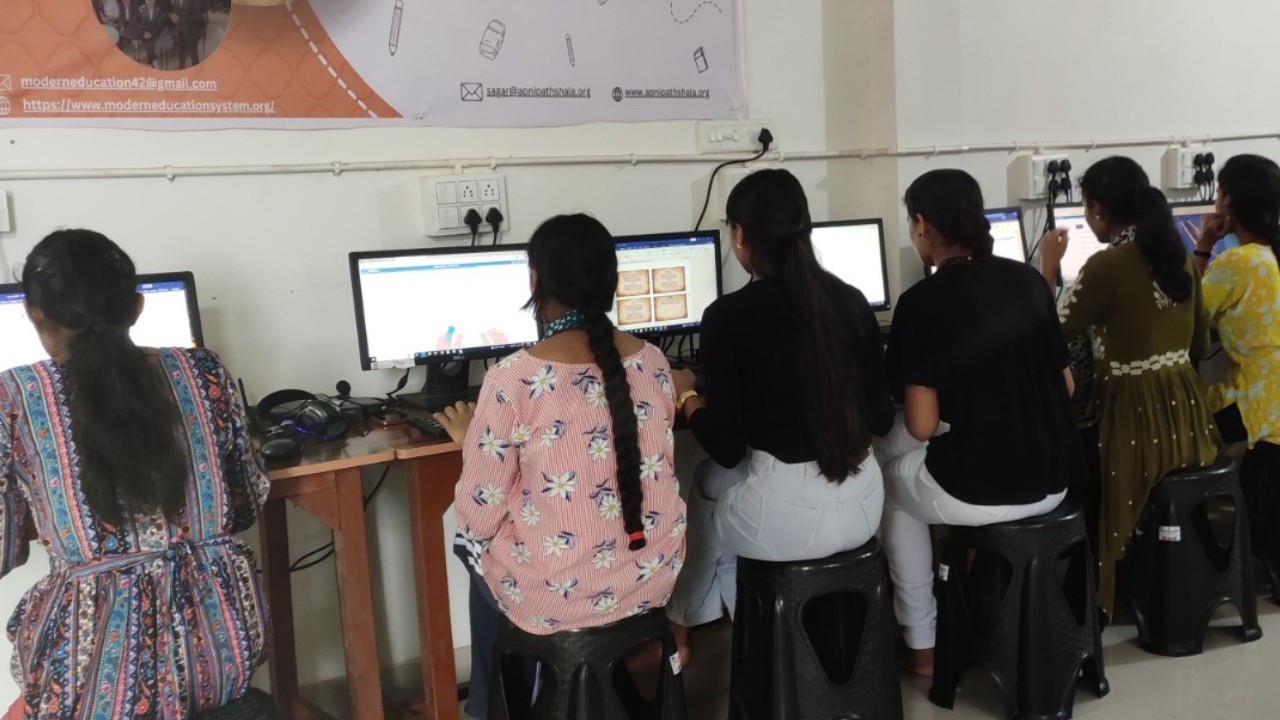
There are three simple, effective learning methods that any student can use, with or without a tutor.
Recall practice – close the book and write down everything you remember before checking. This forces the brain to retrieve information, and retrieval strengthens memory far more than re-reading does.
Spaced repetition – revisit topics at increasing intervals: today, after two days, after a week. This method keeps concepts fresh without wasting time reviewing what is already solid. A student with their own device can easily track this using simple note-taking apps or free tools.
Teach-back – explain the concept in your own words, aloud or in writing. If you can’t explain it simply, you haven’t learned it yet. This method immediately reveals which parts of a topic still need more attention.
None of these needs a classroom or a teacher. They need time, focus, and a device that is available when the student is ready to study, not when the family phone happens to be free.
Why Online Learning Problems Hold So Many Students Back?
The move to digital learning brought real opportunity, but also a new set of online learning problems that most students and parents don’t see clearly.
Online platforms are built to deliver content. The lesson plays, the progress bar fills, and the module is marked complete. But did the student pause? Did they take notes? Did they try any questions after? Usually, no.
This is the trap of passive digital learning. The screen gives the illusion of progress while actual understanding stays shallow. Students who watch ten lessons in a row often retain less than a student who watches three and practises deeply after each one.
Curriculum frameworks from NCERT (National Council of Educational Research and Training) are built around active comprehension, exercises, practice sets, and step-by-step problem-solving. But these only help students who engage with them intentionally, not those scrolling past.
The India.gov.in education portal also lists a wide range of free learning resources aligned to the national curriculum. Most students never use them, not because they don’t want to, but because they don’t have a reliable device where they can sit down, explore, and practise without interruption.
The Environment That Makes Active Learning Possible
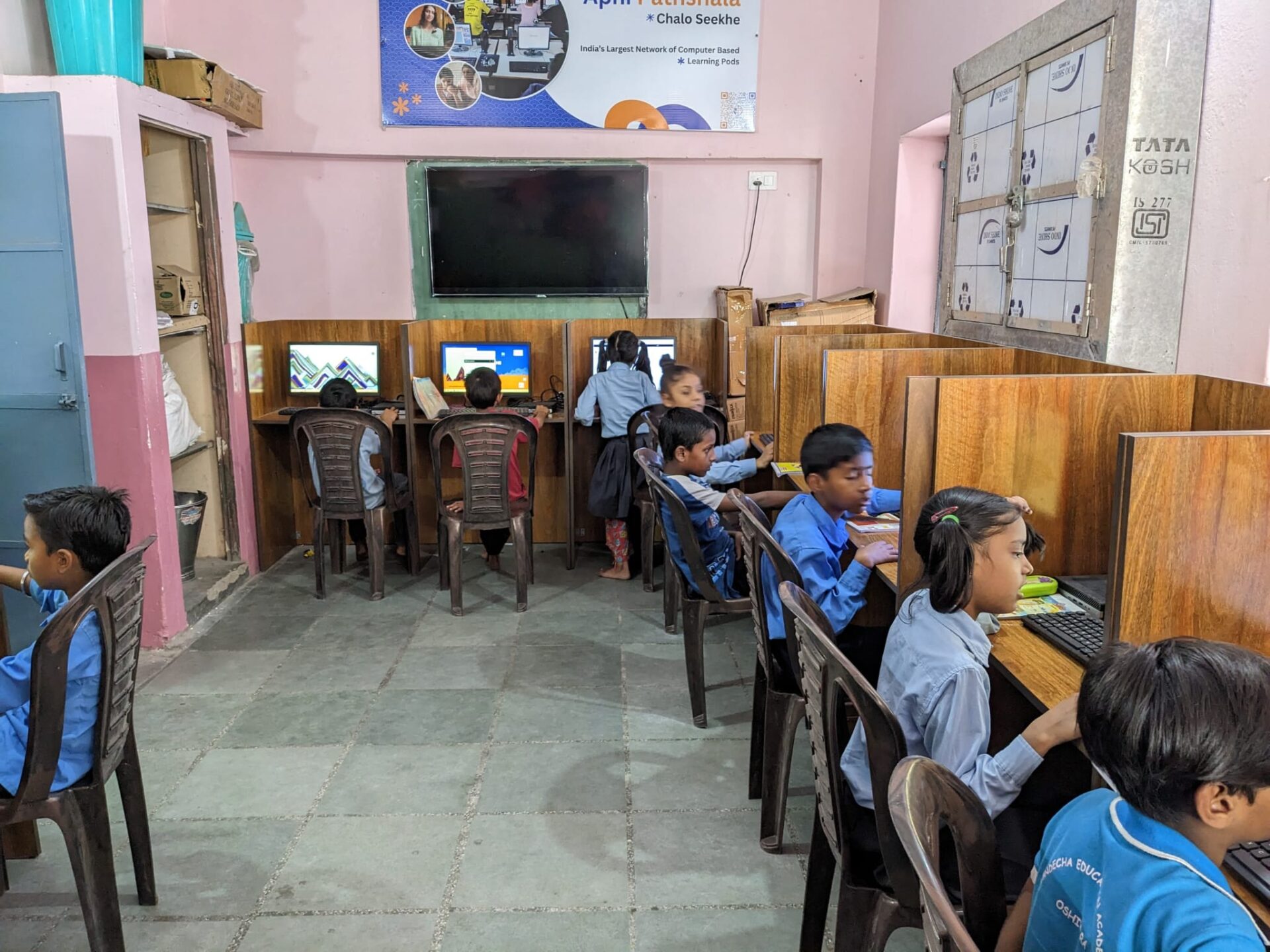
Active learning doesn’t happen by accident. It needs the right conditions, time, focused attention, and an environment where studying isn’t rushed or squeezed around someone else’s schedule. A personal device is one of the most important parts of that setup.
A student on a shared phone is always aware that time is borrowed. That pressure destroys focus. They watch quickly, skip questions, and move on without checking whether they understood.
A student with their own computer can slow down. They can open a note alongside a video, pause to write, search for a better explanation, and revisit the same topic across multiple sessions. That freedom is what makes deep learning possible.
To see how personal devices change learning outcomes, read How a Personal Computer Helps Students Learn Beyond the School Curriculum and The Hidden Cost of Not Having a Computer in 2026.
Apna PC at ₹21,000 (shipping and GST excluded) is designed for exactly this: a reliable, affordable learning device built for Indian students. It handles everything from video lessons and typed notes to practice problems and revision, without slowing down.
The gap between watching lessons and actually learning is smaller than it seems, but it needs the right conditions to close. Visit apnapc.com to learn more.