

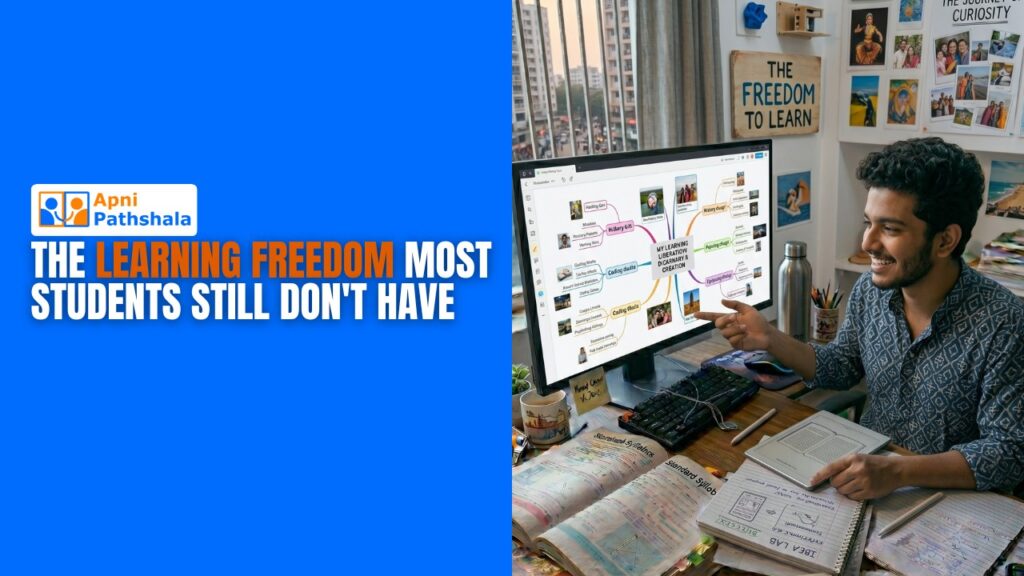
Two students sit in the same classroom, follow the same syllabus, and attend the same school. But the moment school ends, their learning journeys split. One goes home to a device, a space to revise, explore, and practise. The other waits for a shared phone or goes without. Digital access for students is not just a convenience. For millions of children across India, it is the difference between growing and standing still.
Access to Education Has a New Meaning
What does access to education really mean today? A generation ago, it meant a school nearby, a teacher in the classroom, and a textbook in hand. That was enough.
Today, learning has expanded well beyond the school building. Curriculum videos, practice platforms, doubt-solving tools, competitive exam resources, typing skills, digital literacy, all of these are now part of what a student needs to succeed in school and beyond. And almost all of them live online, accessible only through a screen.
A student without digital access doesn’t just miss extra lessons. They miss the kind of deep, self-directed, revisable learning that their peers with devices are building every day. The classroom gives everyone the same starting point. What happens after school and what tools a student has access to determine who goes further.
The Digital Divide in Education Is Wider Than It Looks
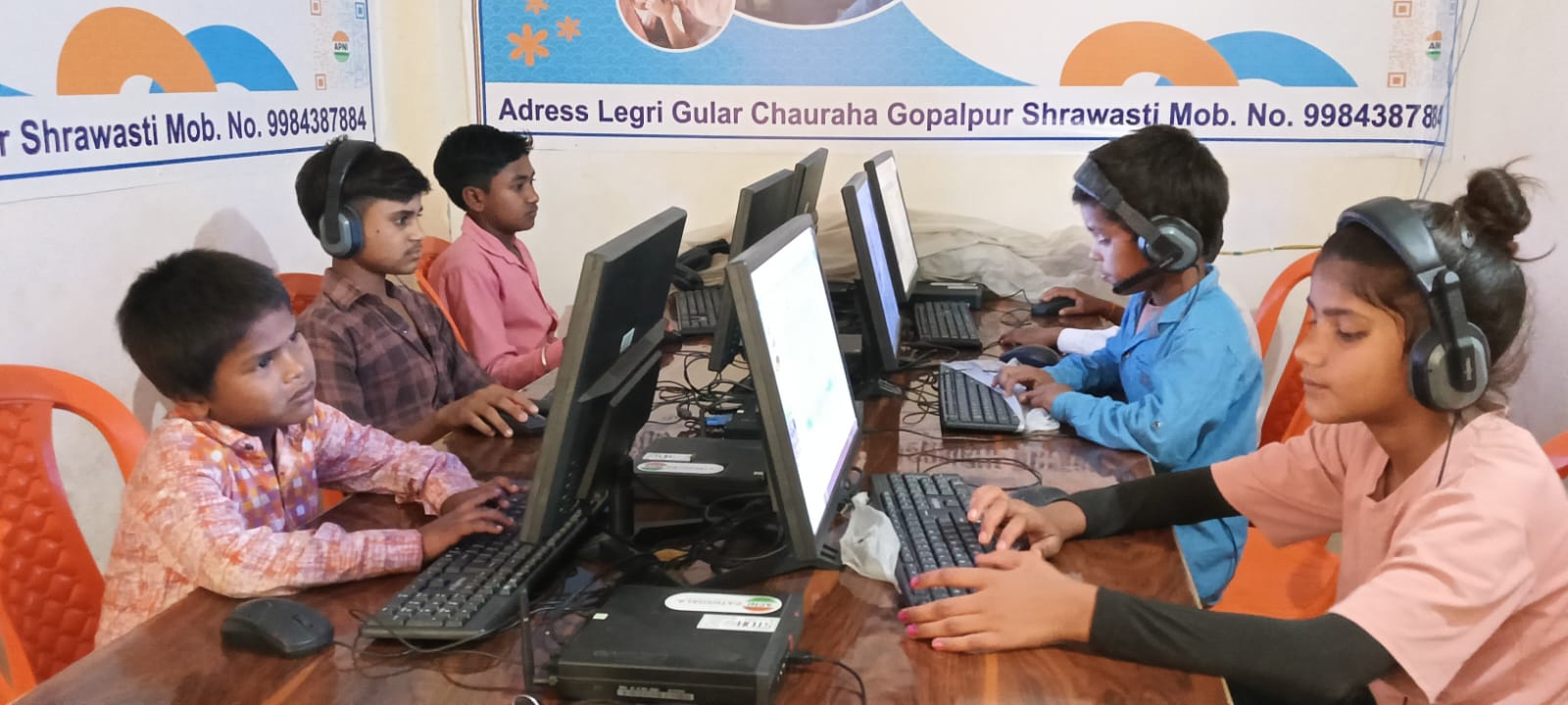
The digital divide in education is not just a rural problem or a poverty statistic. It exists in Tier 2 cities, in middle-income households, in families where one parent’s phone is the only device in the home.
A student who borrows a phone for an hour each evening technically has digital access. But that hour comes with pressure: give it back quickly, no earphones, no extended sessions, no bookmarking for later. It is not learning. It is cramming into borrowed time.
UNESCO global education research shows that equitable access to digital tools is one of the strongest predictors of improved learning outcomes. The gap isn’t just about who has a device; it’s about who has consistent, uninterrupted, purpose-built access to one.
India’s Digital India initiative has expanded connectivity across the country. But infrastructure alone is not enough. A student needs a reliable, personal device, one that is theirs to use, organise, and return to every single day.
Learning Opportunities for Students Depend on What’s Available at Home
Every student has potential. But learning opportunities for students are not equal, and the gap between those with access and those without widens with each passing academic year.
Consider what is available online for free: NCERT lessons in video format, live doubt-solving platforms, typing tutors, coding introduction courses, competitive exam mock tests, and digital libraries. A student with a working computer and internet connection can access resources that were simply unavailable to any previous generation of learners.
A student without that access doesn’t just fall behind; they often don’t know what they’re missing. They practise with what they have: old notes, worn textbooks, and occasional classroom explanations. It isn’t their fault. It is the environment they are in.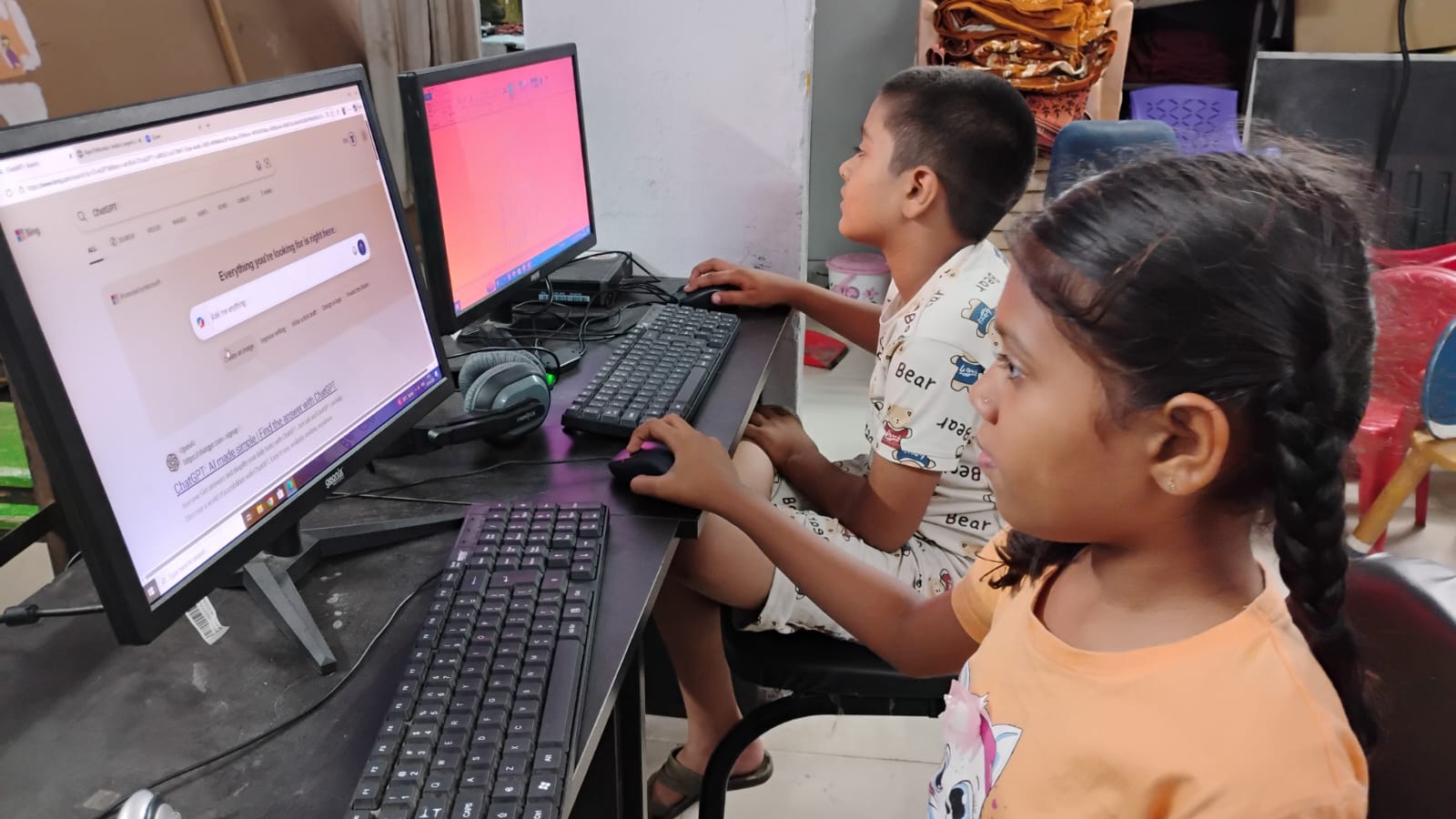
Parents in cities like Lucknow, Bhopal, Patna, and Surat are beginning to understand this shift. The question has moved. It is no longer “can my child study without a computer?” It is “how much are they losing by not having one every day?”
What Giving a Student Real Digital Access Looks Like?
Giving a student genuine digital access means giving them a device of their own, not a hand-me-down shared among three family members, not a slow phone that struggles with video playback, and not borrowed time on someone else’s device.
It means a computer that is available every day, every evening, for as long as the student needs it. One where they can keep notes organised, revisit a lesson from three weeks ago, and practise before a test without watching the clock or waiting for their turn.
Read What Apna PC and The Hidden Cost of Not Having a Computer in 2026 to understand what a student gains, and quietly loses, based on the tools they have access to.
Apna PC at ₹21,000 (shipping and GST excluded) is designed to close this gap for Indian families: an affordable, durable, student-ready device that gives children the digital access they need to make full use of everything already available to learn.
Learning freedom begins with access. If your child is ready to learn, they deserve the tools that make it possible. Visit apnapc.com to learn more.