


The Sharma Family’s Learning Breakthrough
Priya Sharma knew something had to change. Her 10-year-old son Arjun, sitting in their Indore home, had been failing mathematics for two years. His teacher said he was “not paying attention.” But when Priya showed him a video about fractions using colourful animations, his eyes lit up. Within minutes, he understood what months of lectures couldn’t teach. That’s when she discovered the power of visual learning and started looking for tools that matched how her son’s brain actually works.
If you’re a parent in a Tier 2 or Tier 3 city, you’ve probably felt this frustration too. Your child learns differently than traditional classroom teaching assumes. Many students are visual learners who need images, diagrams, colours, and videos to understand concepts truly. This is where visual learning becomes essential, and why choosing the right educational computer matters for your child’s future.
What Are Visual Learners and Why They’re Different
Visual learners process information best through images, charts, diagrams, and videos rather than just listening or reading text. According to learning research, roughly 65% of the population learns visually. These students remember what they see far better than what they hear in a lecture.
Your child might be a visual learner if they prefer drawing, creating mind maps, watching educational videos, or using colour-coded notes. They often struggle with traditional textbooks that rely only on black-and-white text and small diagrams. They don’t need more books. They need a computer that lets them learn through seeing and creating.
- They remember 80% of what they see compared to just 20% of what they hear
- They prefer charts and graphs over written explanations
- They learn better with animations and videos than static content
- They excel when creating visual projects like presentations and digital art
How Apna PC Supports Visual Learning for Your Child
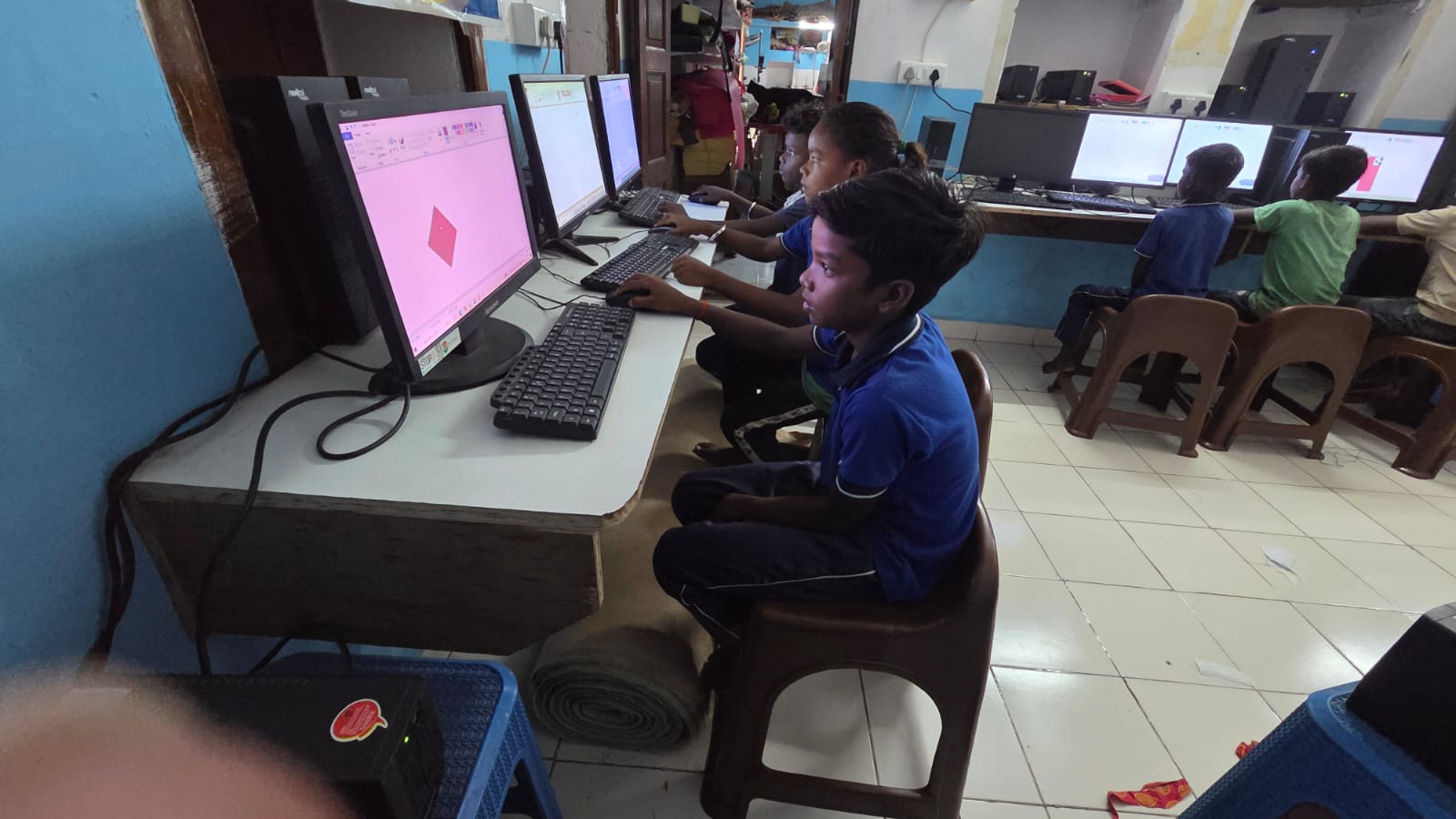
Apna PC isn’t just any computer. It’s specifically designed for Indian students who need visual, interactive learning experiences. At just Rs. 30,000, it comes pre-loaded with tools that make learning visual and engaging from day one.
The computer runs Zorin OS, a user-friendly operating system with a clean, organised look. Your child won’t get lost in complicated menus. LibreOffice lets them create colourful presentations, charts, and visual documents. They can take what they’re learning and turn it into something they can see and touch.
Scratch, the visual programming tool, is where visual learning really shines. Instead of typing boring code, your child uses colourful blocks to create animations, games, and stories. They see their ideas come to life on screen. This isn’t just fun. It’s how visual learners actually understand logic and problem-solving.
The 8GB RAM and 128GB SSD mean everything runs smoothly. No lag. No frustration. Your child stays focused on learning, not waiting for the computer to catch up.
Real Tools for Real Learning Challenges
Apna PC comes with Apni Prerna, a student monitoring system that lets you track your child’s progress. You can see which subjects they’re struggling with and where they’re thriving. This helps you support their visual learning journey with better resources.
You can access platforms likethe DIKSHA digital learning platform, which offers thousands of educational videos and interactive content. Combined with Apna PC’s visual tools, your child gets a complete learning ecosystem.
Try language learning on Apna PC, where visual methods make vocabulary stick faster. Your child can create flashcards with images, watch pronunciation videos, and build language skills visually.
For exam preparation, revision notes and flashcards help visual learners study smarter. They can organise information with colours, images, and diagrams instead of copying text repeatedly.
Why Apna PC Works Better Than Tablets or Phones
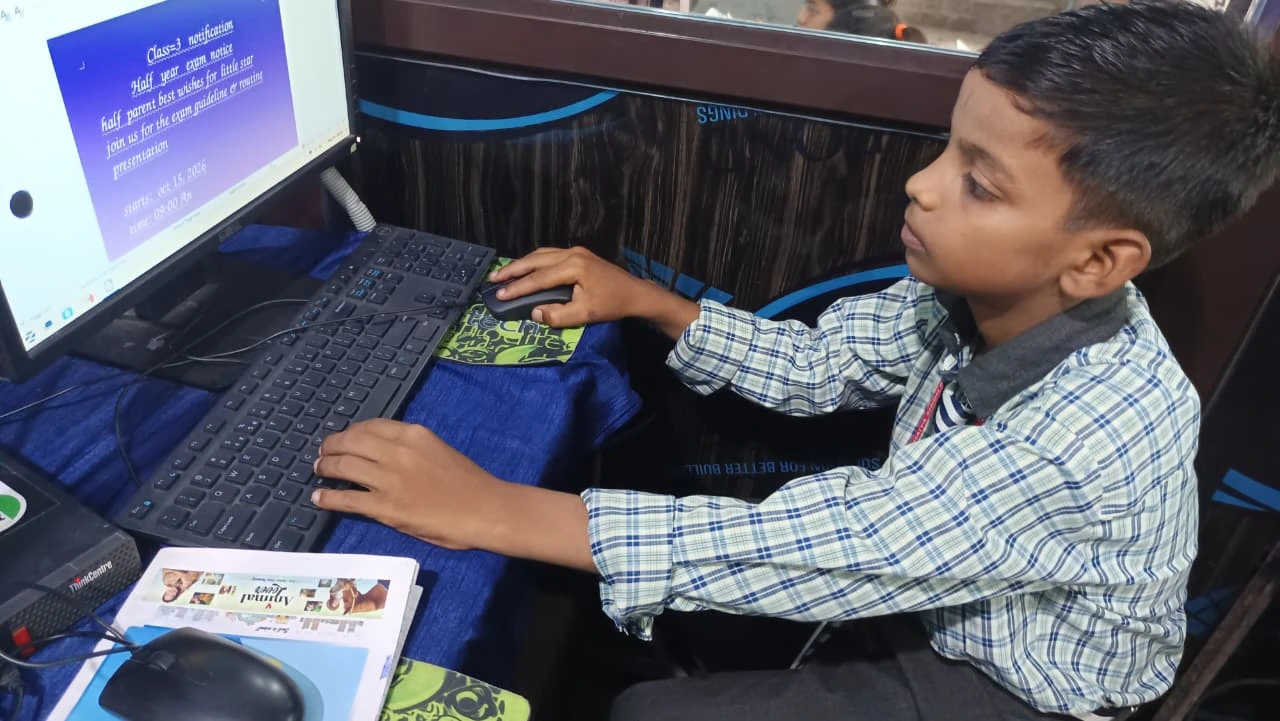
Many parents think a tablet or phone is enough for learning. But these devices are designed to consume content, not create it. Your child needs to build projects, write code, design presentations, and actually make things. Apna PC gives them that power.
A proper computer with a keyboard and mouse helps your child develop real digital skills they’ll need in their future career. They learn to work like professionals, not just swipe like consumers. This matters when they’re competing for jobs in 10 years.
The screen is large enough to see details without eye strain. The keyboard helps them develop typing skills. The trackpad teaches them precision. These aren’t small things. They’re building blocks for confident, capable learners.
Making the Investment Work for Your Family
At Rs. 30,000, Apna PC costs less than most quality tablets. But it delivers so much more. You’re not just buying a computer. You’re buying a tool that matches how your visual learner’s brain actually works.
Think about what you’re already spending. Tuition classes for struggling subjects. Extra books that don’t help. Expensive coaching centres in bigger cities. Apna PC often costs less than three months of coaching, and it works every day at home.
Your child can use it for homework, creative projects, coding, design, video editing, and exam preparation. It grows with them from Class 5 through Class 12. That’s years of learning support in one device.
Start Your Child’s Visual Learning Journey Today
Arjun Sharma is now scoring 85% in mathematics. His mother says the difference wasn’t that he suddenly became smarter. It’s that he finally had tools that let him learn the way his brain is wired. Your child deserves the same chance.
Visual learners thrive with the right tools. Apna PC is built for exactly that. It’s time to stop forcing your child to learn like everyone else and start supporting how they actually learn best. Visit apnapc.com to learn more.