


Rajesh’s Wake-Up Call: Theory Alone Wasn’t Enough
Rajesh, a 14-year-old from Indore, scored 95% in his computer science exam. He could recite the definition of RAM, explain binary code, and name every CPU component. Yet when his uncle asked him to create a simple document or edit a photo, Rajesh froze. He had never touched a real computer keyboard.
This is the story of millions of Indian students today. Your child might be brilliant on paper but helpless in front of an actual machine. The gap between textbook knowledge and real-world computer skills is widening, and it’s costing your child’s future.
Why Theory-Only Learning Is Holding Your Student Back
Reading about computers is not the same as using them. Your student’s brain learns differently when hands are involved. When you type, click, drag, and experiment, your neural pathways strengthen in ways reading alone can’t.
According to Education in India, many schools still rely on outdated teaching methods. Your child sits in a classroom, listens to a teacher explain software, and leaves without ever opening a program. This creates a false sense of confidence that crumbles the moment your student faces a real computer.
The practical skills employers want- typing speed, software proficiency, troubleshooting- cannot be learned from a textbook. Your student needs to build muscle memory, develop problem-solving instincts, and gain confidence through repeated practice.
What Hands-On Computer Practice Gives Your Student
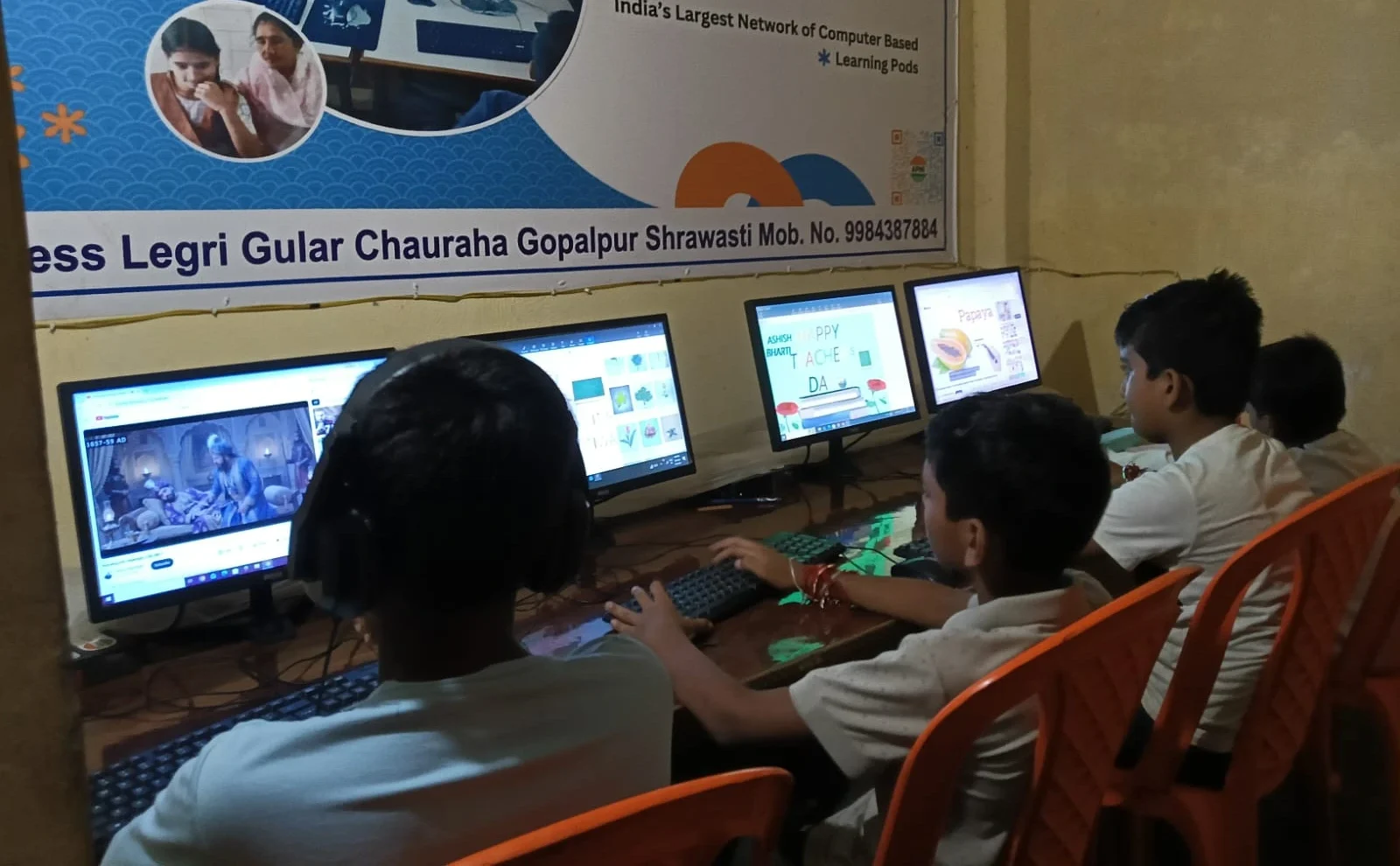
When your child has access to their own computer, everything changes. Your student stops being a passive listener and becomes an active creator. They learn by doing, making mistakes, and correcting themselves without classroom pressure.
- Speed and Efficiency: Your student develops typing speed and learns keyboard shortcuts naturally through daily use.
- Problem-Solving: When your child encounters an error, they learn to troubleshoot instead of giving up.
- Creativity: Your student can experiment with design, coding, and content creation without fear of judgment.
- Confidence: Repeated success builds genuine confidence that transfers to school exams and future jobs.
Your student also learns time management, digital citizenship, and online safety through real experience. These soft skills matter as much as technical knowledge in today’s world.
The Digital India Push: Your Student Cannot Afford to Fall Behind
The Indian government’s Digital India initiative has made technology central to education and employment. Your student is competing not just with classmates but with millions of digitally skilled peers across the country.
Remote learning, online applications, digital portfolios, and coding skills are now basic requirements. A child without hands-on computer experience will struggle with college admissions, competitive exams, and job interviews. The cost of not having a computer at home is higher than buying one.
From Homework to Real Skills: How Your Student Grows
With their own computer, your student can learn beyond school subjects. Your child can explore interests, build projects, and develop marketable skills. A student interested in design can learn Photoshop basics. A student curious about coding can practice on free platforms. A student passionate about writing can build a blog.
This is what we mean by moving from homework to skill building. Your student moves beyond completing assignments and starts developing a real skill set that employers value.
Real-Life Projects Build Real-Life Skills
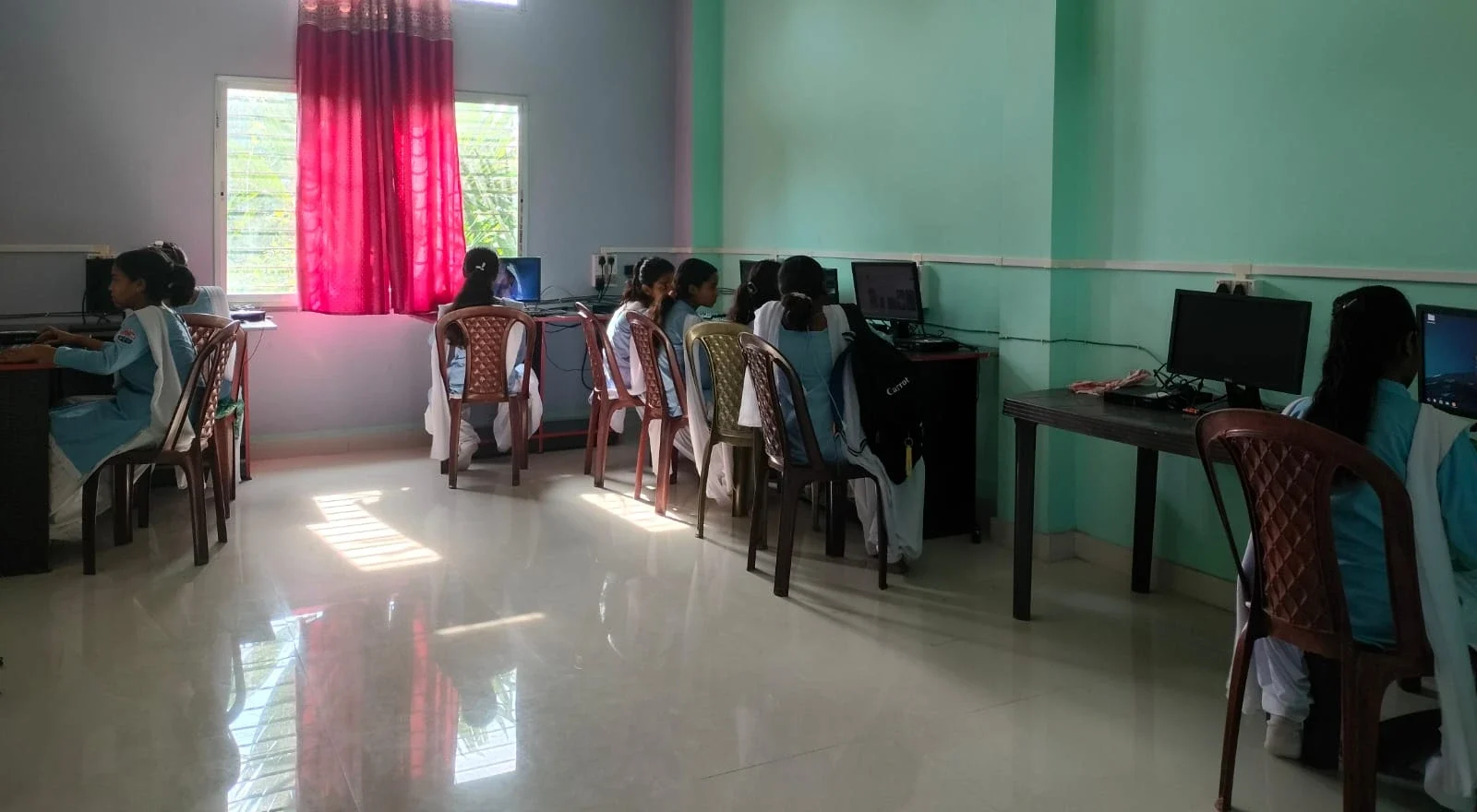
Your student learns faster when working on projects that matter to them. Instead of abstract exercises, your child can create school presentations, edit videos for social media, or build simple programs. These are not just fun activities; they are investments in your student’s future.
Check out how computer projects for real-life skills transform your student from a passive learner into an active creator. Your child gains portfolio pieces that will impress colleges and employers.
Why Your Student Needs Their Own Computer
Borrowing a parent’s computer or accessing a school lab is not enough. Your student needs regular, guilt-free access to experiment, fail, and learn. When your child has their own device, they develop ownership and responsibility. Your student is more likely to practice consistently and build real proficiency.
Your child also learns at their own pace without pressure. Some students need more time to grasp concepts; others are ready to move faster. With their own computer for students, your student can pause, rewind, and practice until they truly understand.
Apna PC: Designed for Your Student’s Learning Journey
You don’t need an expensive gaming laptop or a high-end workstation for your student to learn effectively. Apna PC is built specifically for students like yours in Tier 2 and Tier 3 Indian cities. At Rs. 30,000 (shipping and GST excluded), it’s an investment in your child’s skills, not a luxury purchase.
Your student gets 8GB RAM and 128GB SSD, enough for all schoolwork, coding practice, and creative projects. Apna PC comes pre-loaded with Zorin OS, a student-friendly operating system, plus LibreOffice for documents and presentations, Scratch for learning coding, and Apni Prerna for personalised learning support.
Your student doesn’t need to waste time installing software or troubleshooting technical issues. Everything is ready to use from day one. Your child can start learning immediately, focusing on skills instead of setup frustration.
The Real Cost of Waiting for Computer Access
Every day your student waits is a day without hands-on experience. Your child’s classmates in metro cities already have computers at home. Your student is falling behind not because of intelligence but because of access. The gap only widens as your child moves to higher classes where computer skills are assumed, not taught.
By the time your student realises they need hands-on experience, they’re already behind their peers. College entrance exams now include computer-based tests. Job interviews expect digital proficiency. Your student cannot afford to catch up later.
Start Your Student’s Hands-On Learning Today
Your child’s future depends on skills, not just grades. Hands-on computer experience separates students who can do from students who only know theory. Your student deserves the chance to learn by doing, to experiment without fear, and to build genuine confidence in technology.
Apna PC makes this possible at a price that fits your family budget. Your student gets the same tools that students in expensive private schools use, without the expensive price tag. Give your child the advantage of hands-on learning today. Visit apnapc.com to learn more.